 UPDF
UPDF
 UPDF for Windows
 UPDF for Mac
 UPDF for iPhone/iPad
 UPDF for Android
 Nomostar
 UPDF AI Online
 UPDF Sign
 IvyCraft
 Edit PDF
 Annotate PDF
 Create PDF
 PDF Form
 Edit links
 Convert PDF
 OCR
OCR PDF to Word
 PDF to Image
 PDF to Excel
 Organize PDF
 Merge PDF
 Split PDF
 Crop PDF
 Rotate PDF
 Protect PDF
 Sign PDF
 Redact PDF
 Sanitize PDF
 Remove Security
 Read PDF
 UPDF Cloud
 Compress PDF
 Print PDF
 Batch Process
 About UPDF AI
 UPDF AI Solutions
 AI User Guide
 FAQ about UPDF AI
 Summarize PDF
 Translate PDF
 Chat with PDF
 Chat with AI
 Chat with image
 PDF to Mind Map
 Explain PDF
 PDF AI Tools
 Image AI Tools
 AI Chat Tools
 AI Writing Tools
 AI Study Tools
 AI Working Tools
 Other AI Tools
 AI Bookmark Generation
 AI Bookmark Summary
 AI Watermark Generation
 AI Background Generation
 AI Sticker Generation
 AI Stamp Generation
 AI Editing Suite
 UPDF Copilot
 AI Page Management
 AI Semantic Search
 PDF to Word
 PDF to Excel
 PDF to PowerPoint
 Enterprise Solution
 Enterprise Sign
 Enterprise AI
 Enterprise Plan
 Enterprise User Guide
 Enterprise Webinar
 Banking
 Healthcare
 Insurance
 Legal
Legal Manufacturing
 Government
 Researchers & PhDs
 Solopreneurs & Freelancers
 Education Solution
 Customer Stories
 User Guide
 UPDF Tricks
 FAQs
FAQs UPDF Reviews
 Download Center
 Blog
Blog Newsroom
 Tech Spec
 Updates
 UPDF vs. Adobe Acrobat
 UPDF vs. Foxit
 UPDF vs. PDF Expert

Quick Answer:
Annotating PDFs on Linux can be challenging due to the limited availability of specialized tools compared to other operating systems. However, several reliable applications provide robust solutions for those looking for how to annotate PDFs effectively on Linux.
In this blog post, we'll explore various tools that facilitate PDF annotation, discussing each one's features and how to use them. Whether you're a student, professional, or casual user, finding the right tool is crucial for efficient document management. Keep reading to discover the best PDF annotators for Linux and learn about top alternatives for other platforms, including UPDF.
Part 1. Is There a PDF Annotator for Linux?
Yes, there are several PDF annotators and editors available for Linux that cater to various needs, from basic highlighting to more advanced commenting and editing features. While Linux does not have as wide a selection of PDF tools as Windows or macOS, the available options are robust and effective. These include both open-source tools with extensive customization options and proprietary software that offer professional-grade features. Users can choose from applications like Okular, Evince, and even Microsoft Edge, which are well-suited for both casual users and professionals looking to annotate PDFs efficiently on a Linux system.
| What you need | Recommended method | Best for | Main limitation |
|---|---|---|---|
| Basic notes in GNOME | Evince | Short local reviews | Limited tools; no existing-text editing |
| Quick browser markup | Microsoft Edge | Highlights and drawings | Features can vary by Edge version |
| Detailed review navigation | Okular | Research and technical reviews | DRM can block annotation; some stamps are Okular-only |
| Annotation plus PDF editing | Master PDF Editor | Professional Linux workflows | Proprietary; some functions require payment |
| One-time browser annotation | Smallpdf | No-install tasks | Uploads the PDF to a web service |
UPDF is not included as a Linux method because UPDF's current technical specifications list Windows, macOS, iOS, and Android—not Linux. On those supported systems, UPDF provides highlights, notes, shapes, stamps, callouts, and freehand drawing.
Part 2. How Do You Add Annotations to PDF in Linux?
Having established that there are capable PDF annotators for Linux, the next step is understanding how to effectively use these tools. In this section, we'll explore the methods and steps involved in adding annotations to PDF documents using popular Linux-compatible software, ensuring you can maximize your productivity and document management.
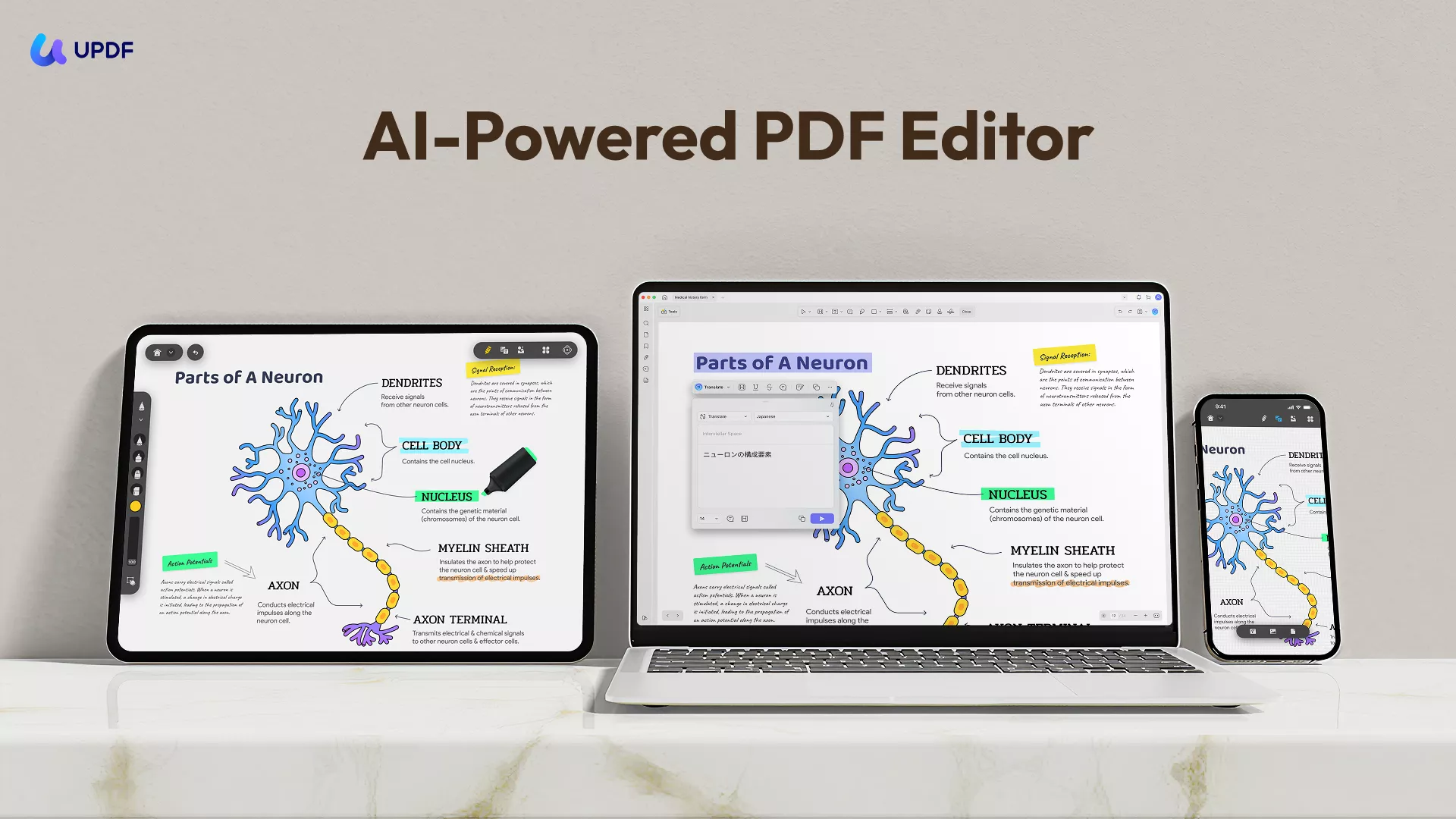
While exploring options for Linux, it's also beneficial to know about UPDF, an excellent PDF annotator and editor for users on Windows, Mac, iOS, and Android platforms. UPDF offers a range of annotation tools and an intuitive interface that enhances document workflows. If you frequently work across different operating systems or are considering a switch from Linux, UPDF could significantly upgrade your document handling capabilities. Explore the advanced features of UPDF for Windows/Mac/iOS/Android by visiting our website and downloading the application today to see how it can streamline your PDF editing and annotation tasks on supported devices.
Windows • macOS • iOS • Android 100% secure
Method 1. Annotate PDF on Linux with Evince
Evince is a popular PDF viewer on Linux that also includes basic annotation capabilities, making it a practical choice for users looking to add notes or highlight text within PDF documents. Here's how you can use Evince to annotate your PDFs:
- Open the PDF: Launch Evince and open the PDF file you want to annotate.
- Select the Annotation Tool: Click on the annotation tools in the toolbar. You can choose from text annotations, highlighting, or adding notes.
- Add Your Annotations: Click on the area of the PDF where you want to add an annotation and begin typing or highlighting.
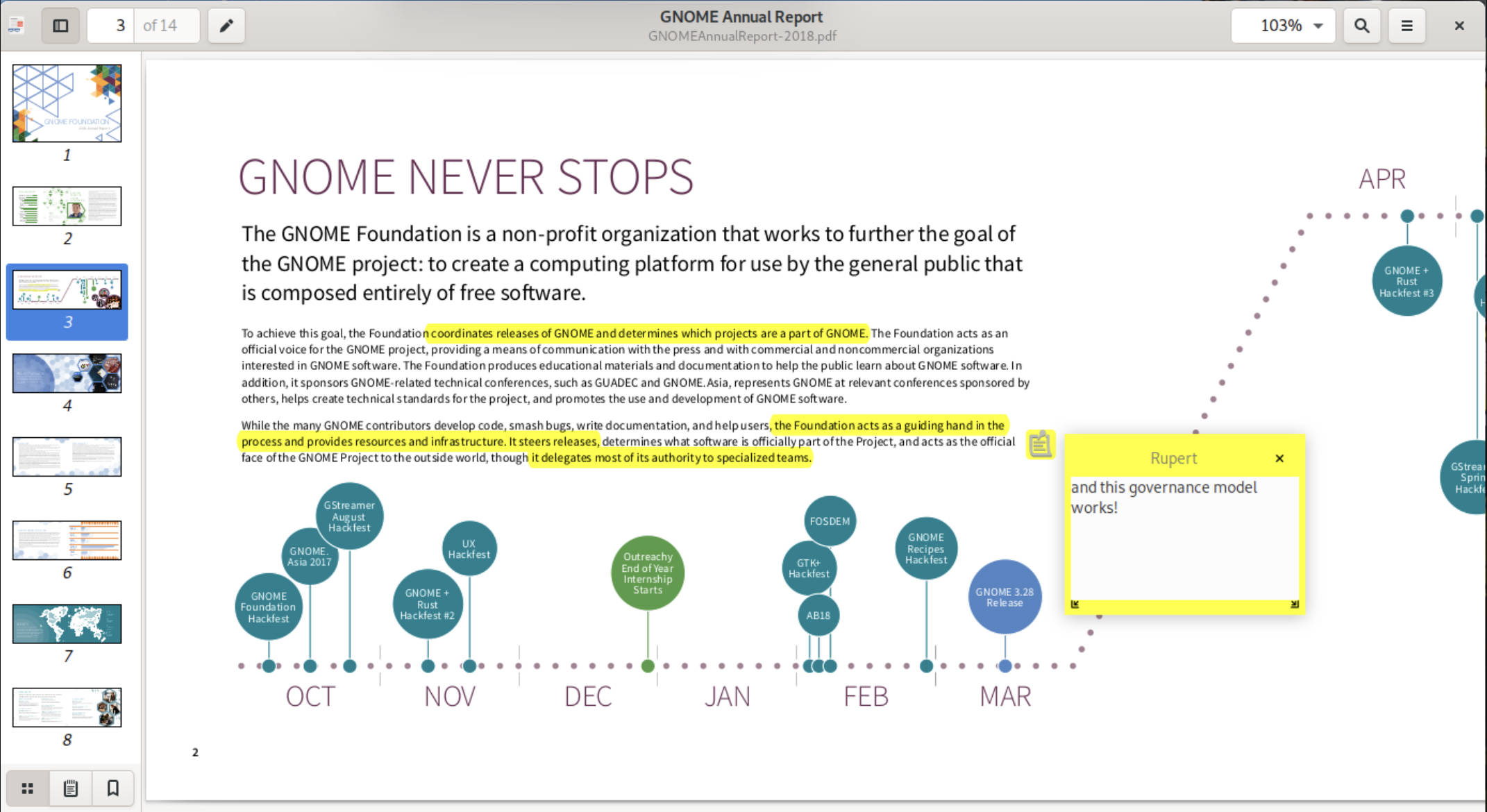
- Save the PDF: Once you've made your annotations, save the document to ensure all your changes are kept.
Best for:
- Adding a few local review notes to a normal PDF.
Not for:
- Changing existing PDF text, or annotating a non-PDF file—the annotation control is disabled for unsupported formats.
Evince's straightforward interface and focused feature set make it ideal for users who need quick and easy PDF annotations without the complexity of more extensive PDF editors.
Method 2. Annotate PDF on Linux with Microsoft Edge
Microsoft Edge, the web browser by Microsoft, offers integrated PDF viewing and annotation features, making it a convenient choice for users on supported platforms. Before proceeding with the following steps, ensure that you have installed Edge on your Linux computers. Here's a guide on using Microsoft Edge for annotating PDFs:
- Open the PDF: Drag and drop your file into an open Microsoft Edge window or use the "Open with" option and select Microsoft Edge to open your PDF directly in the browser.
- Use Annotation Tools: After opening PDF in Edge, you'll see options for drawing, highlighting, adding text, and more in the toolbar.
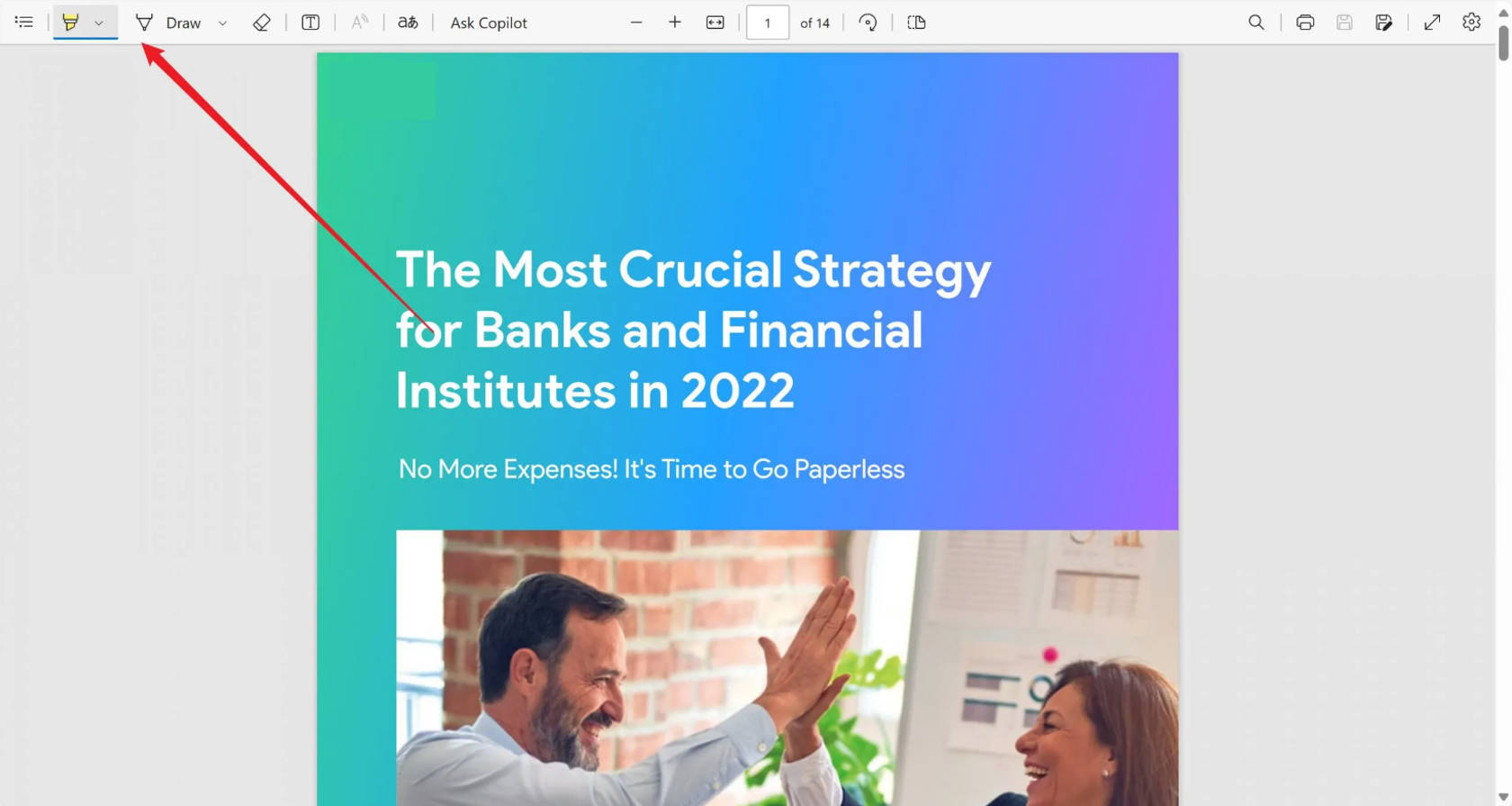
- Add Your Annotations: Select your desired tool and apply your annotations directly onto the PDF document.
- Save the PDF: Once you've finished annotating, save the changes by downloading the PDF with your annotations or by using the "Save as" feature to create a new annotated document.
Best for:
- A small number of highlights or drawings when Edge is already installed.
Not for:
- Reviews requiring an annotation list, threaded replies, custom stamps, or advanced comment management.
Microsoft Edge is a viable option for annotating PDFs on Linux, providing basic tools for this purpose.
Method 3. Annotate PDF on Linux with Okular
Okular is a versatile document viewer developed by KDE, which includes support for PDF annotations among various other document formats. It is widely used in the Linux community for its robustness and extensive feature set. Here's how to annotate PDFs using Okular:
- Open the PDF: Start Okular and open the PDF file you wish to annotate.
- Select Annotation Tools: Okular offers a wide range of annotation tools like highlights, underlines, pop-up notes, and geometric shapes. Access these from the 'Tools' menu or the annotation toolbar.
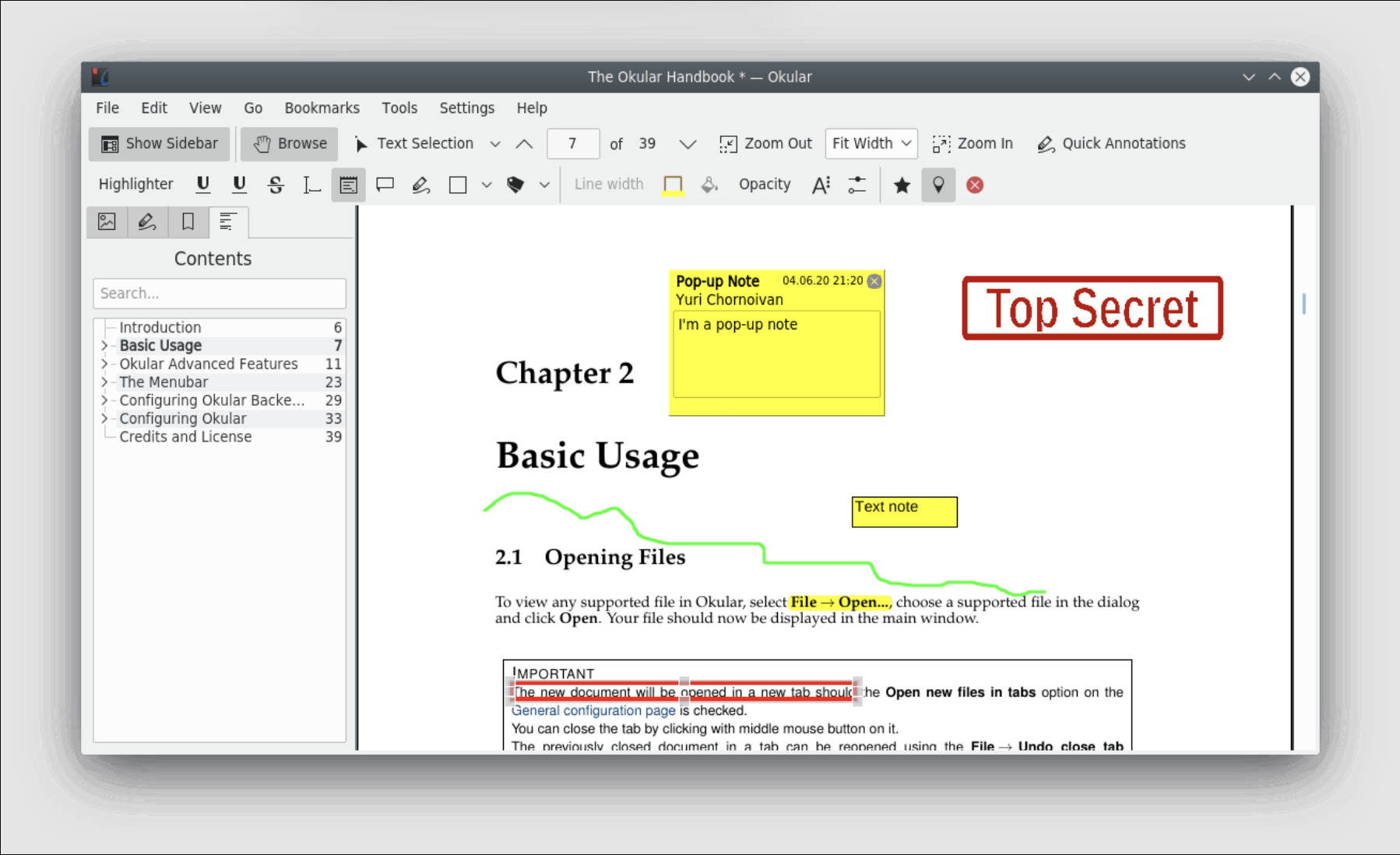
- Apply Annotations: Click on the section of the document where you want to add annotations and select your preferred tool to begin annotating.
- Save Your Annotations: Make sure to save your document after annotating. Okular provides an option to save annotations within the document, ensuring that they are visible in other PDF readers.
Best for:
- Research papers, technical manuals, and documents with many comments.
Not for:
- DRM-protected PDFs that disable annotation. Okular also warns that experimental custom stamps may not appear in readers other than Okular.
Okular is particularly popular among Linux users for its adaptability and comprehensive set of features, making it an ideal choice for academic and professional settings.
Method 4. Annotate PDF on Linux with Master PDF Editor
Master PDF Editor is a highly regarded tool among Linux users for its extensive capabilities in PDF editing and annotating. Here's how to use Master PDF Editor to add annotations to your PDFs:
- Open the PDF: Launch Master PDF Editor and open the PDF file you want to annotate.
- Access Annotation Tools: From the top toolbar in Master PDF Editor, select 'Comment '; this includes a variety of annotation tools, such as sticky notes, highlight, underline, and strikeout tools. Select the appropriate tool for your needs.
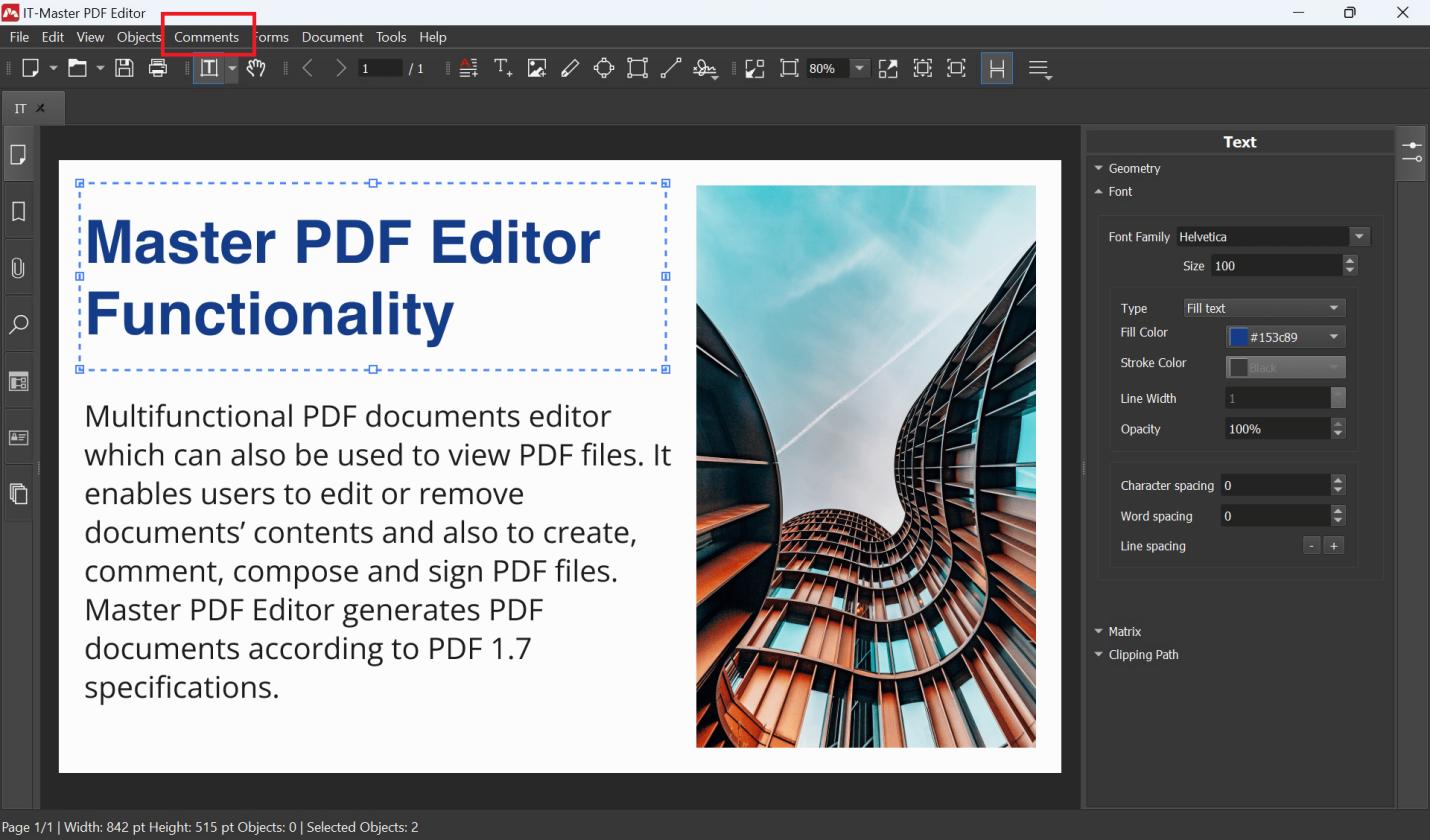
- Add Annotations: Click on the part of the document where you want to add an annotation, and start typing or marking directly.
- Save the PDF: After you've finished annotating, remember to save your document to ensure all annotations are preserved.
Best for:
- Linux users who need annotations and deeper PDF editing in one desktop program.
Not for:
- Users requiring a fully open-source workflow or every advanced function without a commercial license.
Master PDF Editor offers a robust set of features that make it an excellent choice for professional users who need advanced PDF editing and annotating capabilities on Linux.
Method 5. Annotate PDF on Linux with Online Tools - Smallpdf
Smallpdf is a versatile online tool that provides a suite of PDF management functions, including the ability to annotate PDFs directly from your web browser. Here's how you can use Smallpdf to annotate your PDFs:
- Access Smallpdf: Visit the Smallpdf website and select the PDF Annotate tool from the menu.
- Upload Your PDF: Drag and drop your PDF file into the tool or use the upload function to add it from your device or cloud storage.
- Annotate the PDF: Smallpdf offers tools for adding text, shapes, highlights, and notes. Choose your desired tool from the toolbar and apply your annotations.
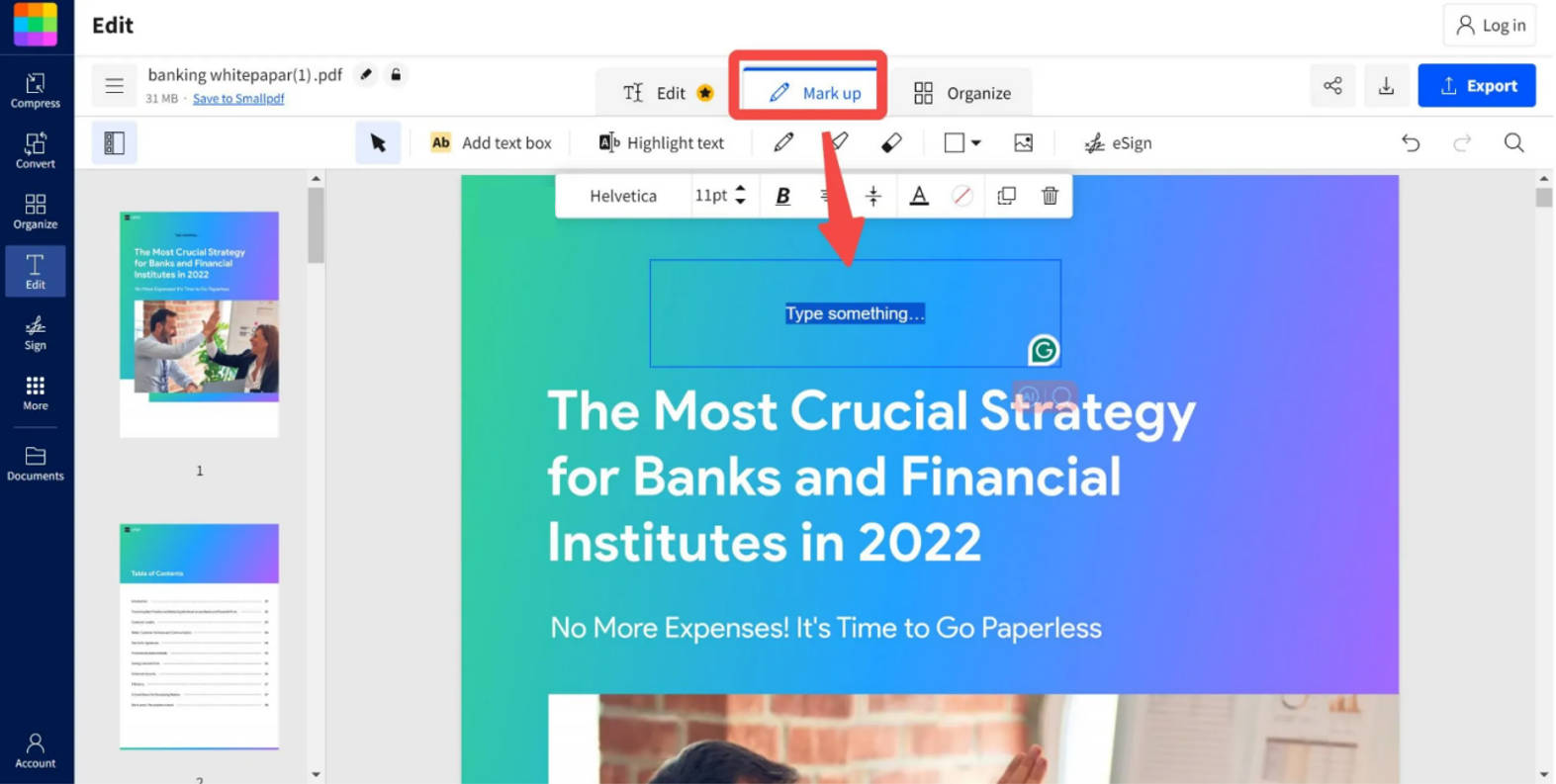
- Save and Download: Once your annotations are complete, you can save any changes and download the annotated PDF back to your device or save it to cloud storage.
Best for:
- A non-sensitive, one-time task without software installation.
Not for:
- Contracts, IDs, medical files, financial records, or documents that should not be uploaded. Check Smallpdf's current privacy and retention terms before processing confidential content.
Smallpdf is ideal for users who prefer not to install software and need a quick, effective way to manage PDFs on any operating system, including Linux, through a web browser.
Part 3. Bonus: What Is the Best PDF Annotator/Editor for Windows, Mac, iOS, and Android?
Having explored various PDF annotation tools suitable for Linux, let's shift our focus to a solution that caters to users on Windows, Mac, iOS, and Android. In this section, we will delve into UPDF, detailing why it stands out as the best PDF annotator and editor for these platforms.
Windows • macOS • iOS • Android 100% secure
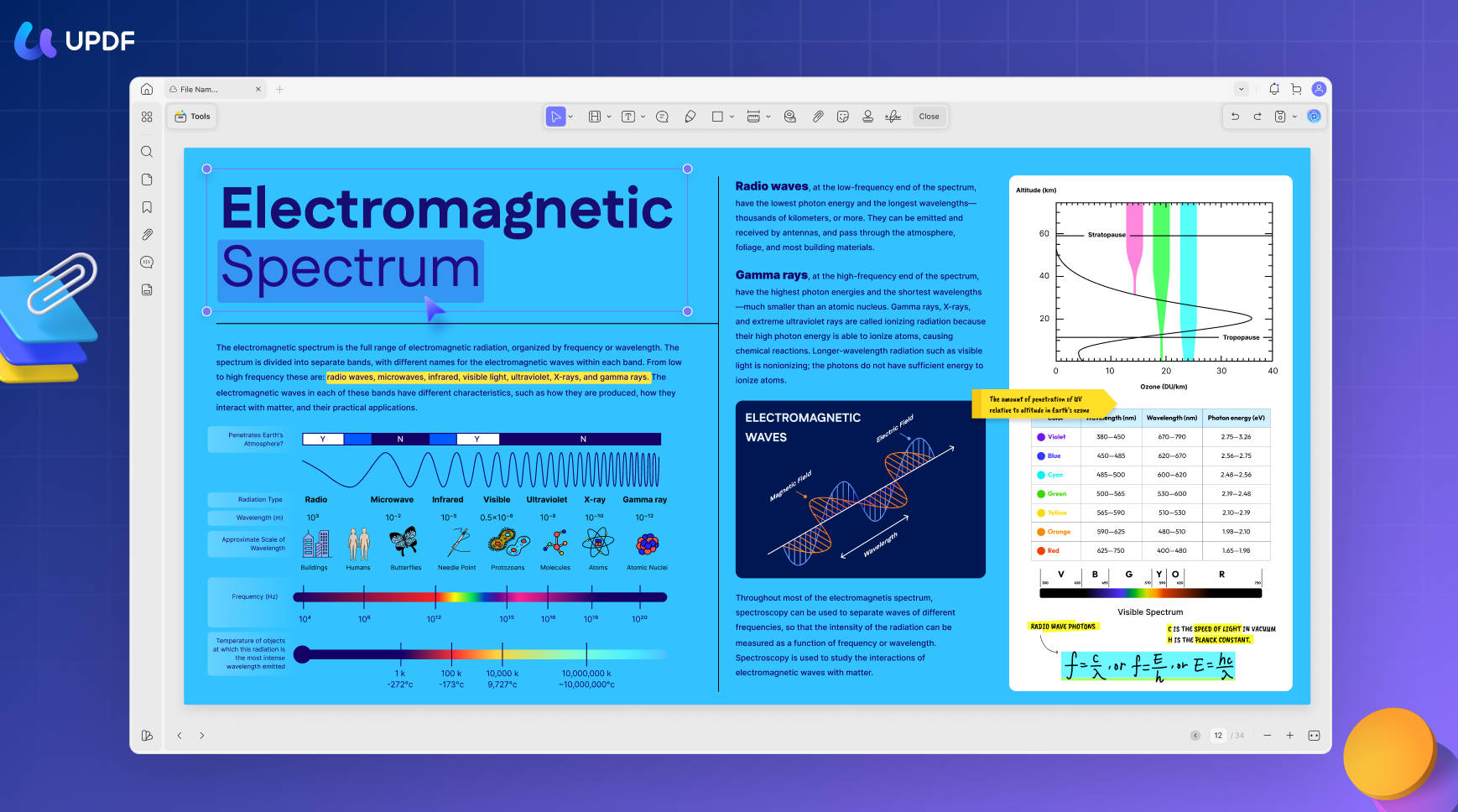
Key Features:
- Read PDF: Open any PDF file and read through it without any trouble or delay. You can also change PDF background color as you like.
- Annotate PDF: It allows users to easily annotate PDFs with tools for highlighting, underlining, adding sticky notes, and more.
- Convert PDF: It offers file conversion features, transforming PDFs into various formats like Word, Excel, and PowerPoint.
- Cross-platform compatibility: UPDF is an ideal note-taking tool for iPhone, iPad, Android devices, Windows, and Mac computers.
- UPDF AI: It comes with a ChatGPT-powered AI assistant that can assist in reading and consuming PDF content by providing summaries, translations. It can even search academic papers for you.
- OCR Feature: It can convert scanned files to editable and searchable PDFs without changing their layout.
Experience the full capabilities of UPDF for free by taking advantage of our trial version. Currently, we're also offering a significant sale on all UPDF plans. Don't miss this opportunity to enhance your PDF management at a great price. Visit UPDFs pricing page now to find the perfect plan for you!
Windows • macOS • iOS • Android 100% secure
FAQs
Q1: Can other PDF readers see annotations made on Linux?
Usually, but verify the saved copy. Standard highlights and notes are widely supported, but custom stamps, comment replies, and application-specific data may render differently.
Q2: Does annotating a PDF change the original text?
No, annotations normally sit above it. Highlights, notes, and drawings usually form a separate layer. Use a PDF editor when page content must change.
Q3: Can a black annotation box securely hide information?
No, a black box is not redaction. The underlying text can remain selectable or recoverable. Use true redaction on a file you are authorized to modify.
Q4: Can I annotate a password-protected PDF on Linux?
Only if the file permissions allow it. Viewing after authentication does not guarantee annotation permission. Obtain authorization and the required password rather than bypassing security.
Conclusion
Evince works for basic local notes, Edge covers quick browser markup, Okular provides the strongest open-source review workflow in this list, Master PDF Editor combines annotation with broader editing, and Smallpdf handles non-sensitive one-off tasks without installation.
Save a separate copy and test it in another reader whenever colleagues or clients must see the annotations. UPDF is not native to Linux, but it can support the document on Windows, macOS, iOS, or Android when the workflow crosses devices.
If a supported-device workflow fits your setup, test the annotation tools on a duplicate first.
Download UPDF for free to try annotating your PDF on Windows, macOS, iOS, or Android — installation is free, and Pro removes the trial watermark from exported files.
Windows • macOS • iOS • Android 100% secure




 Engelbert White
 Lizzy Lozano
 Enrica Taylor