 UPDF
UPDF
 UPDF for Windows
 UPDF for Mac
 UPDF for iPhone/iPad
 UPDF for Android
 Nomostar
 UPDF AI Online
 UPDF Sign
 IvyCraft
 Edit PDF
 Annotate PDF
 Create PDF
 PDF Form
 Edit links
 Convert PDF
 OCR
OCR PDF to Word
 PDF to Image
 PDF to Excel
 Organize PDF
 Merge PDF
 Split PDF
 Crop PDF
 Rotate PDF
 Protect PDF
 Sign PDF
 Redact PDF
 Sanitize PDF
 Remove Security
 Read PDF
 UPDF Cloud
 Compress PDF
 Print PDF
 Batch Process
 About UPDF AI
 UPDF AI Solutions
 AI User Guide
 FAQ about UPDF AI
 Summarize PDF
 Translate PDF
 Chat with PDF
 Chat with AI
 Chat with image
 PDF to Mind Map
 Explain PDF
 PDF AI Tools
 Image AI Tools
 AI Chat Tools
 AI Writing Tools
 AI Study Tools
 AI Working Tools
 Other AI Tools
 AI Bookmark Generation
 AI Bookmark Summary
 AI Watermark Generation
 AI Background Generation
 AI Sticker Generation
 AI Stamp Generation
 AI Editing Suite
 UPDF Copilot
 AI Page Management
 AI Semantic Search
 PDF to Word
 PDF to Excel
 PDF to PowerPoint
 Enterprise Solution
 Enterprise Sign
 Enterprise AI
 Enterprise Plan
 Enterprise User Guide
 Enterprise Webinar
 Banking
 Healthcare
 Insurance
 Legal
Legal Manufacturing
 Government
 Researchers & PhDs
 Solopreneurs & Freelancers
 Lawyers & Legal Professionals
 Real Estate Agents & Brokers
 Education Solution
 Customer Stories
 User Guide
 UPDF Tricks
 FAQs
FAQs UPDF Reviews
 Download Center
 Blog
Blog Newsroom
 Tech Spec
 Updates
 UPDF vs. Adobe Acrobat
 UPDF vs. Foxit
 UPDF vs. PDF Expert

Quick Answer
Discover the seamless process of Obsidian export to PDF, a feature crucial for sharing insights beyond the digital note-taking realm. Whether for professional collaboration or personal archiving, mastering this functionality enhances your workflow.
But Obsidian's static, uneditable PDFs hinder note management. A professional editor like UPDF enables polished editing, layout adjustments, note merging/extraction, and security via watermarks or passwords. Let's dive in!
Part 1. Can Obsidian Export Notes Directly to PDF?
Yes — Obsidian has both a built-in PDF viewer and a built-in PDF exporter. The exporter covers single notes with basic layout options; its limits (tables, equations, embedded notes, batch export) are why Methods 2–4 exist.
However, it provides a straightforward method to export Notes to PDF. While it excels in organizing and linking your thoughts, when it comes to managing PDF files, such as reading or editing them directly within the app, users might find themselves at a bit of a standstill. This is where UPDF steps in to fill the gap. UPDF is a comprehensive document management tool that not only allows you to read and annotate PDFs but also provides a plethora of editing features. For those looking to enhance their document workflow in Obsidian, downloading UPDF is a smart move to seamlessly manage PDF files alongside your notes.
Windows • macOS • iOS • Android 100% secure
Part 2. 5 Easy Ways to Export Obsidian to PDF
Transitioning from the capabilities of reading PDFs in Obsidian, it's equally important to know how to efficiently export your notes into PDF format. This process can enhance your workflow, allowing you to share your work more broadly. Let's explore some easy methods to convert your Obsidian notes into PDFs, ensuring your insights are accessible and portable.
Method 1: How to Export Obsidian Notes to PDF (Built-in, No Plugin)
The Obsidian app offers an option to export notes to PDF. Follow the steps below to do so:
- Open Obsidian and find the note that you want to export.
- Open it.
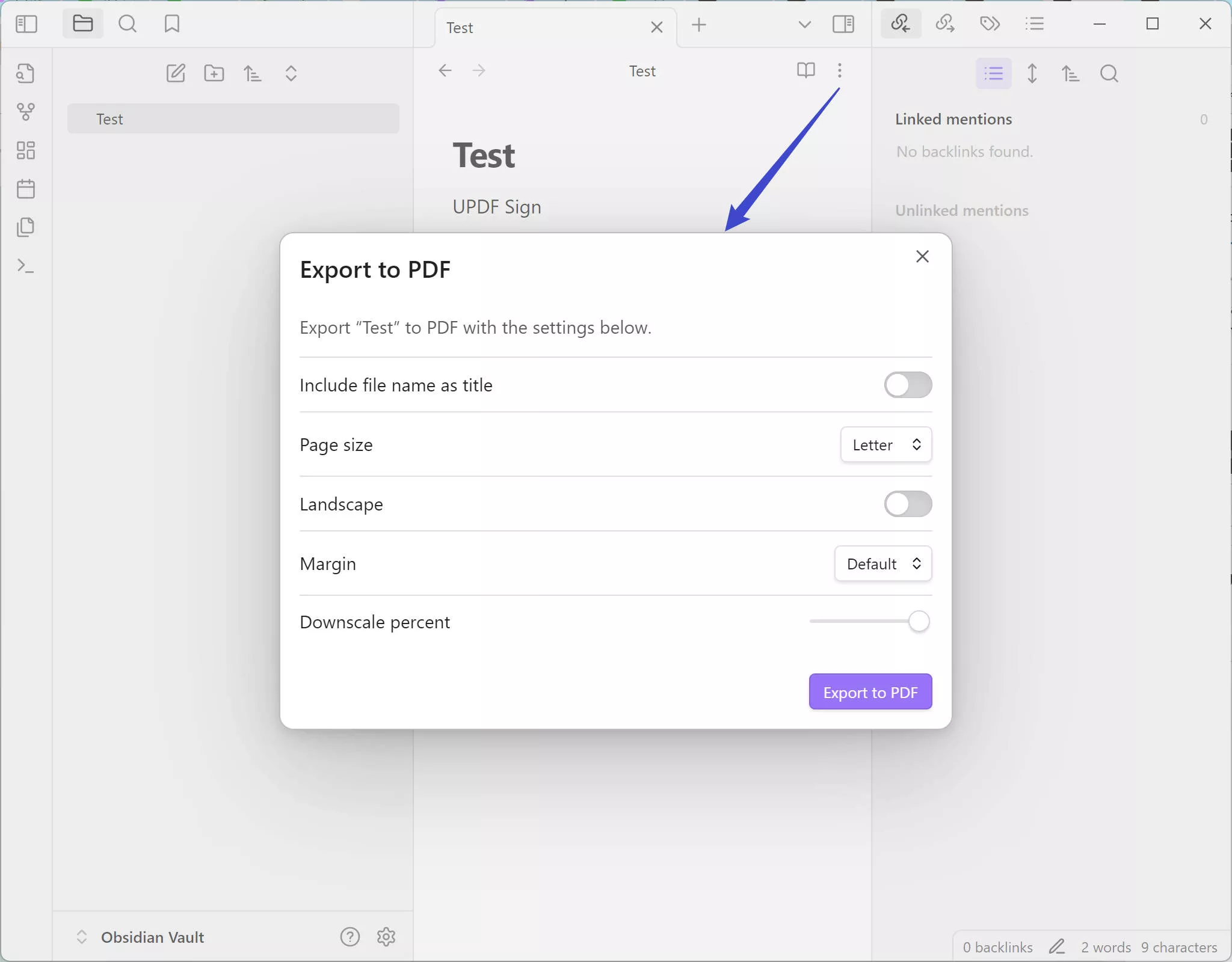
- Click on the three-dot icon on the top and choose the "Export to PDF..." option.
- Finalize the export settings. You can choose to include file name as title or not, choose the paper size among A3, A4, A5, legal, Letter, and Tabloid, and choose the orientation, margin, and downscale percent.
Limitations: As described above, the native export lacks page numbers, bookmarks, and reliable Mermaid rendering.
Method 2: Better Export PDF Plugin (Recommended for Most Users)
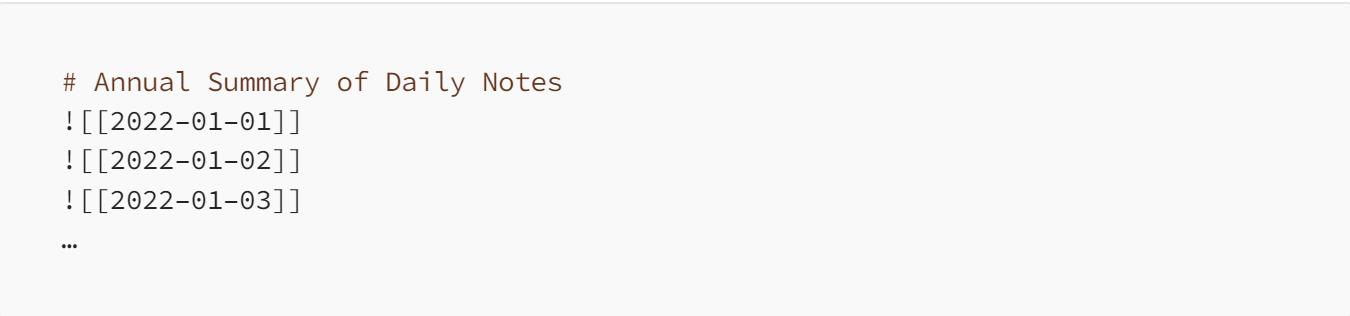
One practical method to export your Obsidian notes to PDF involves creating a new Obsidian .md file that serves as a summary or table of contents for the notes you wish to compile. Here's how to do it:
- Open Obsidian and create a new .md file.
- Inside this file, insert internal links to all the notes you want to include using the format![[filename]].
- Once your summary file is organized with all the necessary links, navigate to the app's menu bar.
- Click on File > Export to PDF.
- Your compiled notes will be exported and saved as a single PDF file.
This method ensures that all your linked notes are neatly combined and exported in an organized manner, making it easy to share or archive your work.
Warning: The Better Export PDF plugin improves Mermaid rendering compared to native export, but some users report that diagram colors and layouts may differ from what you see in Obsidian.
Method 3: Convert Obsidian to PDF with Pandoc (Command Line)
The third method to export your Obsidian notes to PDF utilizes Pandoc, a versatile, free command-line tool for document conversion that works with various file formats. This method is ideal for those comfortable with using Terminal or Shell commands. Here's a step-by-step guide to combining multiple markdown files into a single document using Pandoc:
Steps:
- Install Pandoc from the official website.
- Install a LaTeX distribution (TeX Live, MiKTeX, or MacTeX) or use Typst as a lighter alternative.
- Organize your Markdown files in a folder.
- Open Terminal or Command Prompt.
- Navigate to the folder:
cd /path/to/your/notes - Run:
pandoc -s *.md -o output.pdf
Tip: The -s flag means standalone document. The -o flag specifies the output file name and format.
For Mermaid diagrams: Pandoc supports Mermaid rendering through the mermaid-filter or by converting diagrams to images first.
For Obsidian-specific syntax: You may need to convert Obsidian wikilinks ([[note]]) to standard Markdown links before export. The Obsidian Pandoc plugin can help with this.
Method 4: Typst PDF Export Plugin (Modern Alternative)
Typst is a modern typesetting system that is lighter and faster than LaTeX. The Obsidian Typst PDF Export plugin brings Typst’s professional output directly into Obsidian.
Steps:
- Install the “Typst PDF Export” plugin from the community plugin store.
- Open any note.
- Click the Typst Export ribbon icon or use Ctrl/Cmd+P and search “Export to Typst PDF.”
- Configure export settings (templates, page size, margins).
- Export.
Key features:
- Multiple built-in templates (default, modern, article, report)
- Batch export entire folders
- Smart handling of embedded images and PDFs
- Single-page PDF support (content flows onto one continuous page)
- Professional typography without LaTeX installation
Why Typst over Pandoc: Typst offers faster compilation, cleaner syntax, and does not require a multi-gigabyte LaTeX installation. The plugin was created specifically because Obsidian’s native export “lacks the professional typesetting quality needed for serious documents”.
Method 5: Export Multiple Notes in Batch
To efficiently share project notes from Obsidian with team members not using the platform, especially when dealing with multiple notes, consider batching the export process. This streamlined approach minimizes time spent on exporting each note individually:
- Open your Obsidian vault and locate the project folder containing the notes you wish to share.
- Use a file management tool or script to bulk select all the relevant .md files within the project folder.
- Utilize a batch conversion tool or script that supports Markdown to PDF conversion. Tools like Pandoc can be helpful here.
- Execute the conversion command, ensuring all selected .md files are converted to PDF format in one go.
- Once converted, compile all PDFs into a single folder or zip file for easy sharing.
This method significantly reduces the effort and time involved in sharing comprehensive project notes with non-Obsidian users, making collaboration smoother and more efficient.
Warning:
When batch exporting, ensure that all images and embedded files are accessible. Relative paths to images may break during export if the output folder is different from the vault structure.
For those looking to enhance their PDF documents further using the most hassle-free and effortless method, the one with the lowest learning curve. UPDF offers an array of marking and annotation tools perfect for adding that final touch to your exported Obsidian notes. Download UPDF now and start marking down your PDFs with unparalleled control.
Windows • macOS • iOS • Android 100% secure
Part 3. How to Annotate, Edit, Manage the Converted PDF Files
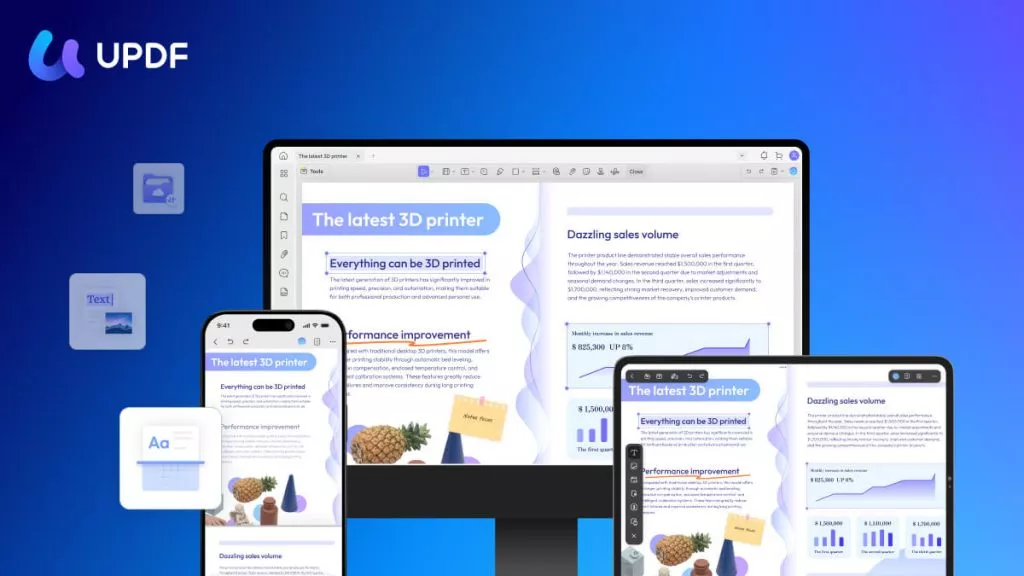
After converting your Obsidian notes to PDF, UPDF empowers you with powerful editing, annotation, and management capabilities in one place. With its sleek interface and rich features, handling your PDFs becomes both efficient and enjoyable. Next, let's take a brief look at its core functions.
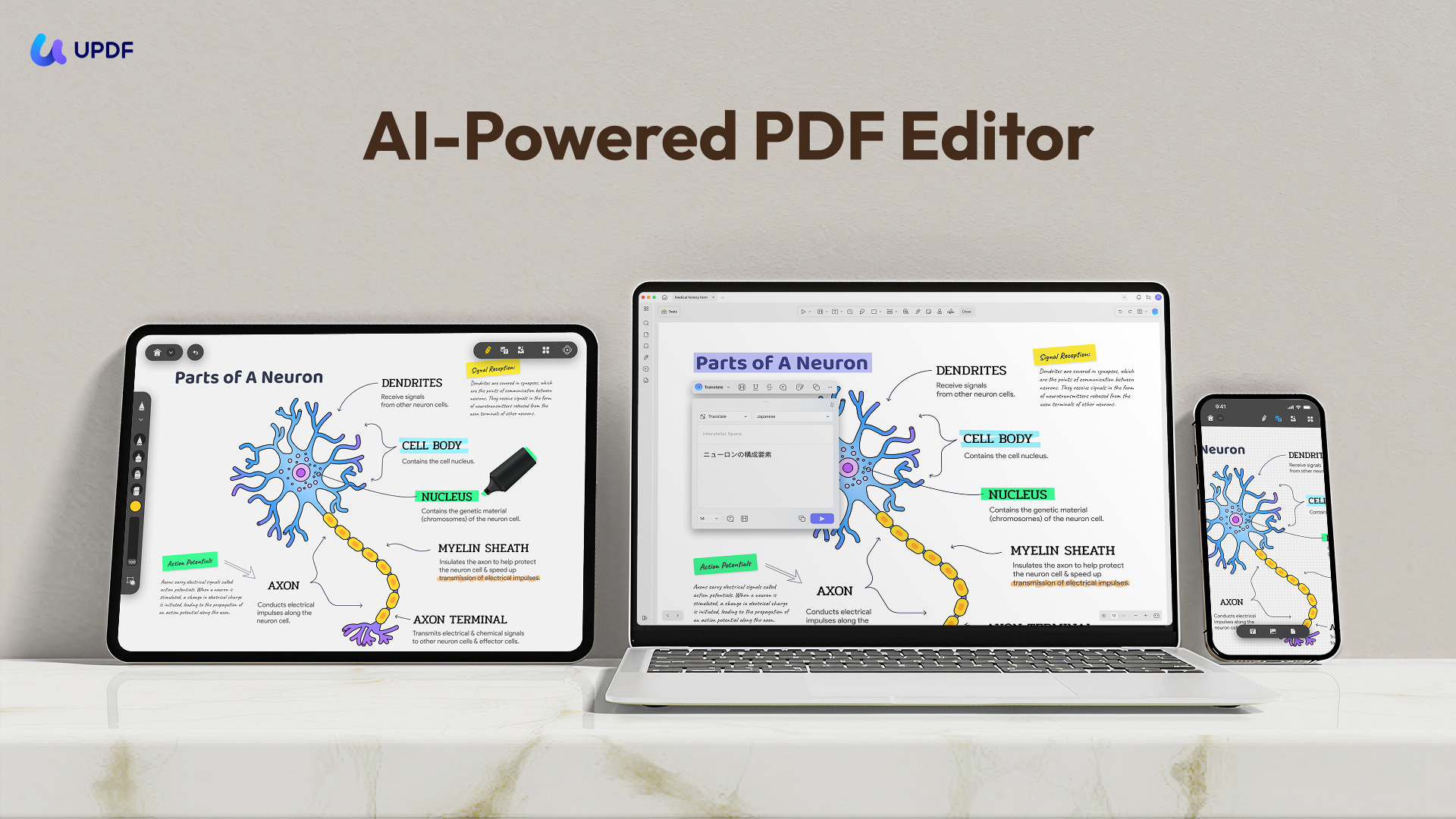
- View PDFs: Open any PDF file and read through it without any trouble or delay. You can also change PDF background color as you like.
- Annotate PDFs: Highlight content, drop a comment, draw a shape, and mark up your PDF however you like.
- PDF Creation: Effortlessly create stunning PDFs from Word, images, or even clipboard content. Merge files or create a PDF Portfolio—all in just a few clicks!
- Batch Processing: You can batch convert, compress PDF files, OCR and so on to save your time.
- Fill Forms: Got a form to complete? Try the auto-fill PDF form in UPDF. Just click and type, and you're done—it's as easy as that.
- UPDF AI: Unlock the full potential of your documents with UPDF 2.5, now powered by ChatGPT and DeepSeek R1. Instantly summarize, translate, chat, and check with your PDFs using 10 new AI Agents—including Semantic Search and Smart Bookmarking—designed to supercharge your workflow. Try the ultimate UPDF Copilot today!
Windows • macOS • iOS • Android 100% secure
UPDF offers a comprehensive solution for managing and enhancing your PDF documents, combining ease of use with powerful tools. Whether you are organizing digital notes, collaborating with a team, or presenting polished reports, UPDF helps you work smarter and achieve better results.
Part 4. Obsidian Export to PDF: Common Problems & Fixes
Issue 1: Text Appears Invisible or Blank in Exported PDF
Cause: Theme conflict. Obsidian’s “Adapt to System” theme setting can cause white text on white background.
Fix: Go to Settings > Appearance and change the theme to Light or Dark explicitly. Re-export the PDF.
Issue 2: Mermaid Diagrams Fail to Render
Cause: Obsidian’s native PDF export has a known bug with Mermaid diagrams.
Fix: Use the Better Export PDF plugin or Typst PDF Export plugin. Both handle Mermaid diagrams more reliably than native export.
Issue 3: Internal Links Are Not Clickable in the PDF
Cause: Obsidian’s native export does not convert wikilinks to PDF hyperlinks.
Fix: Use Better Export PDF (which exports internal links within the file) or Pandoc with link conversion. For cross-document links, manual post-export editing in UPDF may be required.
Issue 4: Export Takes Too Long or Crashes
Cause: Large vaults with many embedded images or complex diagrams can overwhelm the export process.
Fix: Export in smaller batches. Use Typst PDF Export (which is lighter than LaTeX) or Pandoc with image optimization.
Issue 5: Mobile Export Does Not Work
Cause: Obsidian mobile does not support community plugins for PDF export in the same way as desktop.
Fix: Use the mobile PDF export plugin, which uses the system’s native print-to-PDF function. Alternatively, sync your vault to a desktop and export there.
FAQs About Obsidian Export to PDF
Can you export Obsidian notes to PDF?
Yes. Obsidian has a built-in export feature (three-dot menu > Export to PDF). For better results, use a community plugin like Better Export PDF or Typst PDF Export.
What is the best Obsidian PDF export plugin?
The best plugin depends on your needs. Better Export PDF is the best all-around choice for most users (page numbers, bookmarks, batch export). Typst PDF Export is best for professional typesetting. Advanced PDF Export is best for pixel-perfect layout control with live preview.
How do I export multiple Obsidian notes to one PDF?
Use Better Export PDF’s batch export feature to select multiple files and compile them into one PDF. Alternatively, create a summary note with embedded links (![[note]]) and export that single note with Pandoc.
Why is my Obsidian PDF export blank?
The most common cause is a theme conflict. Go to Settings > Appearance and set the theme to Light or Dark explicitly instead of “Adapt to System.”
How do I export Obsidian to PDF with images?
Images are embedded in the PDF during export. However, large images may break across pages. Use Advanced PDF Export or Typst PDF Export for better image handling and page break control.
Can I export Obsidian to PDF on mobile?
Yes, but with limitations. Use the mobile PDF export plugin, which uses the system’s native print function. For full-featured export, sync to desktop and use a community plugin.
How do I add page numbers to an Obsidian PDF export?
The native export does not support page numbers. Install Better Export PDF or Advanced PDF Export and configure header/footer templates with page number placeholders.
Conclusion
In exploring the methods of Obsidian export to PDF, the importance of efficient document management becomes clear.
Once your notes are exported and error-free, UPDF takes over for annotation and management. For annotating, editing, and managing your PDFs with finesse, UPDF stands unmatched. Elevate your document workflow by downloading UPDF today, and experience unparalleled ease in handling your digital notes and files.
Windows • macOS • iOS • Android 100% secure







 Enola Davis
 Enya Moore