 UPDF
UPDF
 UPDF for Windows
 UPDF for Mac
 UPDF for iPhone/iPad
 UPDF for Android
 Nomostar
 UPDF AI Online
 UPDF Sign
 IvyCraft
 Edit PDF
 Annotate PDF
 Create PDF
 PDF Form
 Edit links
 Convert PDF
 OCR
OCR PDF to Word
 PDF to Image
 PDF to Excel
 Organize PDF
 Merge PDF
 Split PDF
 Crop PDF
 Rotate PDF
 Protect PDF
 Sign PDF
 Redact PDF
 Sanitize PDF
 Remove Security
 Read PDF
 UPDF Cloud
 Compress PDF
 Print PDF
 Batch Process
 About UPDF AI
 UPDF AI Solutions
 AI User Guide
 FAQ about UPDF AI
 Summarize PDF
 Translate PDF
 Chat with PDF
 Chat with AI
 Chat with image
 PDF to Mind Map
 Explain PDF
 PDF AI Tools
 Image AI Tools
 AI Chat Tools
 AI Writing Tools
 AI Study Tools
 AI Working Tools
 Other AI Tools
 AI Bookmark Generation
 AI Bookmark Summary
 AI Watermark Generation
 AI Background Generation
 AI Sticker Generation
 AI Stamp Generation
 AI Editing Suite
 UPDF Copilot
 AI Page Management
 AI Semantic Search
 PDF to Word
 PDF to Excel
 PDF to PowerPoint
 Enterprise Solution
 Enterprise Sign
 Enterprise AI
 Enterprise Plan
 Enterprise User Guide
 Enterprise Webinar
 Banking
 Healthcare
 Insurance
 Legal
Legal Manufacturing
 Government
 Researchers & PhDs
 Solopreneurs & Freelancers
 Lawyers & Legal Professionals
 Real Estate Agents & Brokers
 Education Solution
 Customer Stories
 User Guide
 UPDF Tricks
 FAQs
FAQs UPDF Reviews
 Download Center
 Blog
Blog Newsroom
 Tech Spec
 Updates
 UPDF vs. Adobe Acrobat
 UPDF vs. Foxit
 UPDF vs. PDF Expert

Quick answer:
One thing worth knowing before you start: a PDF can carry two different locks, and they behave differently. An open password is the one you type to view the file at all. A permission password (also called an owner or permissions password) lets you read the file freely but blocks actions like printing, editing, or copying. Printing that "won't work" is almost always the second kind — the document opens fine, but the print button is dead. This article covers four routes for it: printing directly in UPDF with the password, removing the lock first, printing from your phone, and batch-unlocking many files at once. For example, if an authorized pay statement opens but its Print command is unavailable, check its printing permission before troubleshooting the printer. If the document will not open because you forgot the opening password, follow the forgotten PDF password guide first.
⚠️ Before you print: only print or unlock PDFs you own or are authorized to handle. Removing a permission password on a file you don't have rights to may violate the document owner's terms or copyright.
Part 1. Which Method Should You Use?
Not every "secured PDF" needs the same fix. Match your situation to the right method below.
| Your situation | Method | Best for |
|---|---|---|
| You have the permission password and just need pages out once | Method 1 — Print directly in UPDF | A single contract, quote, or statement you need on paper today |
| You'll reprint or edit the same file repeatedly | Method 2 — Remove the lock, then print | A working document (a policy, a template) you keep coming back to |
| You're away from your desk | Method 3 — Print from iOS or Android | Signing off on a file from your phone near an office or AirPrint printer |
| You want a dedicated password-removal tool | Method 4 — Clear restrictions with aJoysoft, then print | Anyone who prefers a purpose-built password remover over manual unlocking, including bulk runs |
The lead-in for all of them is the same: you must be authorized, and you generally need the permission password. No legitimate tool prints a print-restricted PDF that you can't otherwise unlock.
Want to follow along on your own file? Download UPDF for free — installation takes under a minute, and Pro features are available when you need watermark-free output or batch printing.
Windows • macOS • iOS • Android 100% secure
Part 2. How to Print a Secured PDF Directly in UPDF (Windows & Mac)
Best for:
- a one-off print where you already know the permission password and don't need to change the file itself.
This is the fastest route. UPDF opens the protected file, prompts you for the permission password at the moment you print, and hands the pages straight to your printer — the lock stays on the saved file.
Step 1. Open UPDF on your desktop, click Open File, and choose the secured PDF you want to print. (If the file also has an open password, enter it here first to view the document.)
Step 2. Click the dropdown arrow next to the Save icon and choose Print.
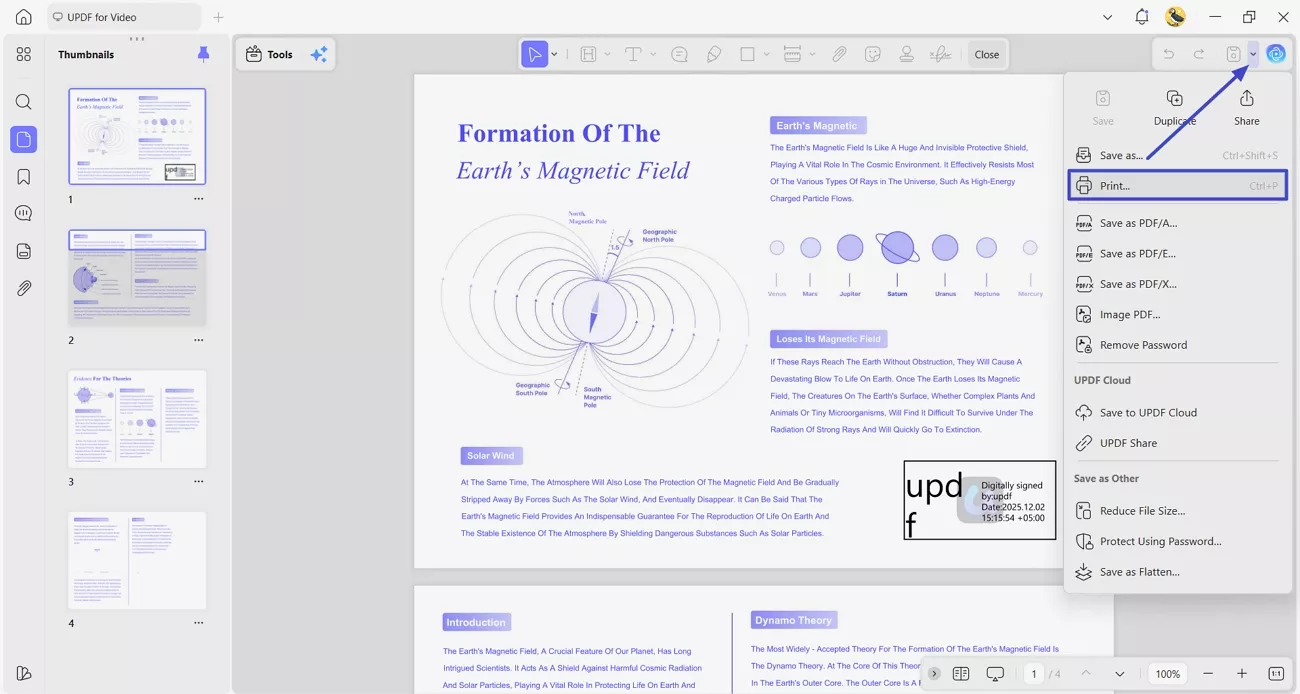
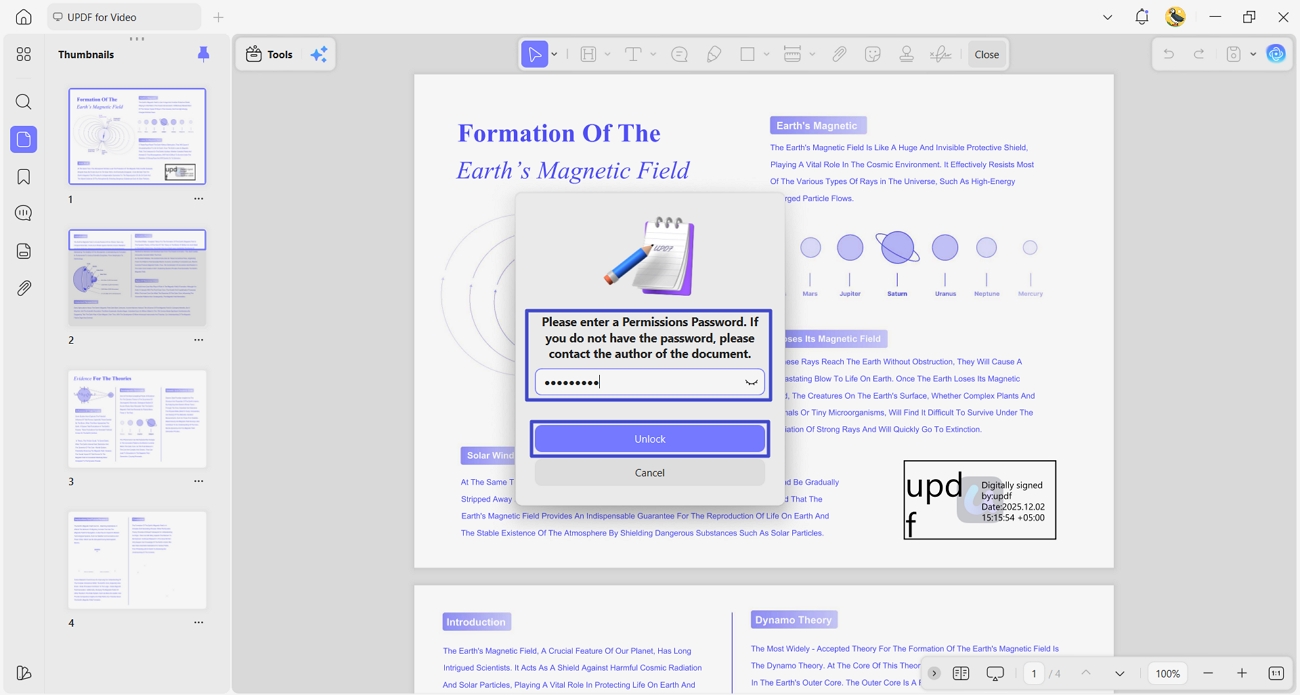
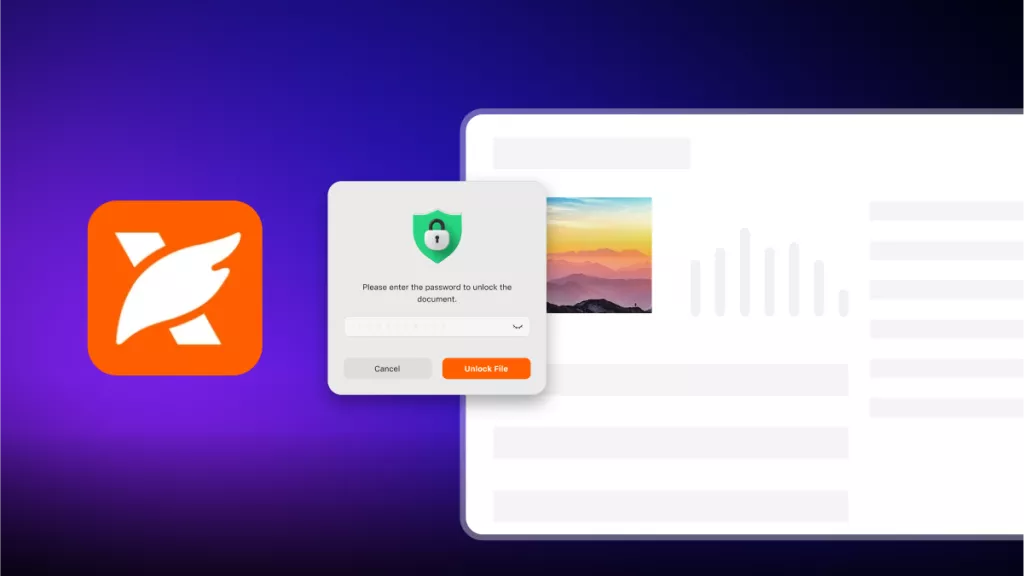
Step 3. UPDF prompts you for the permission password. Enter it and click Unlock to open the print interface.
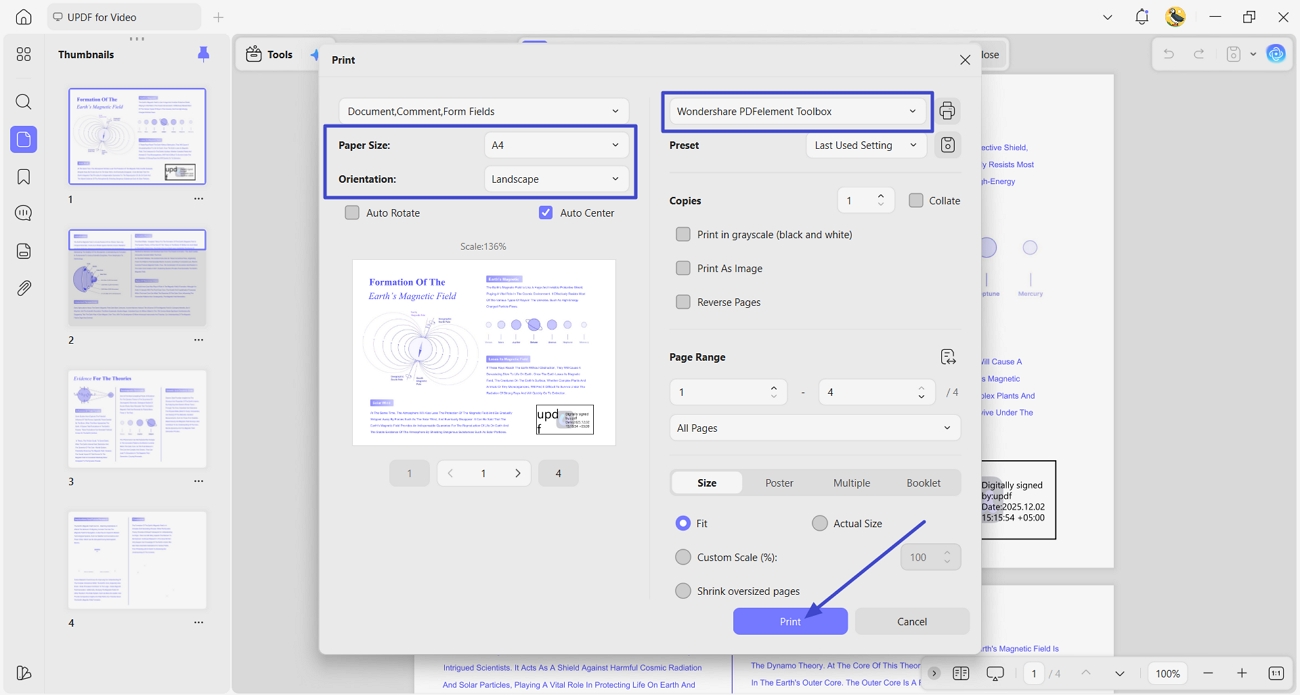
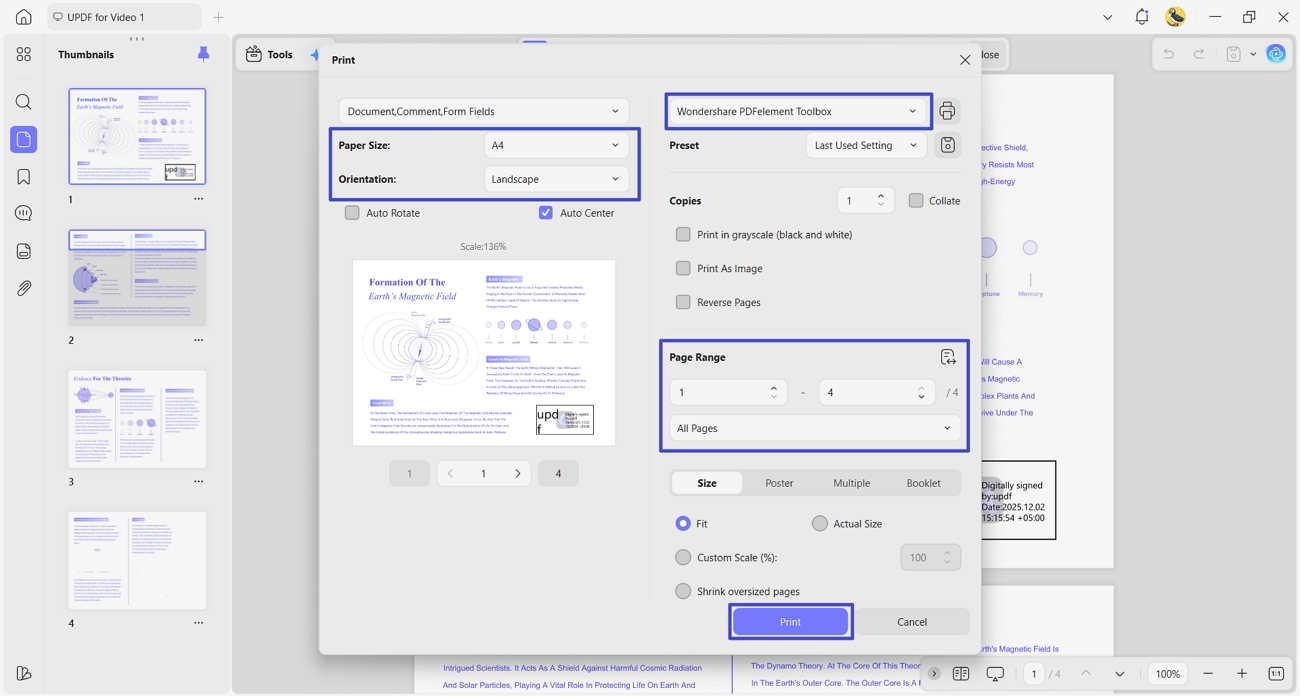
Step 4. Select your printer, set the paper size and orientation, choose the page range, and click Print.
Not for:
- files you'll print or edit again and again — re-entering the permission password every session gets tedious. For that, remove the lock once (Method 2). It's also not a way around a file you can't unlock: if you don't have the permission password, UPDF won't bypass it.
Part 3. How to Remove the Permission Lock First, Then Print
Best for:
- a document you reuse — a recurring report, an internal template, a form you print in batches — where entering the password every time is friction you'd rather delete.
Instead of unlocking at print time, you strip the permission password once and save an unrestricted copy. Every future print (and edit) then runs without a prompt.
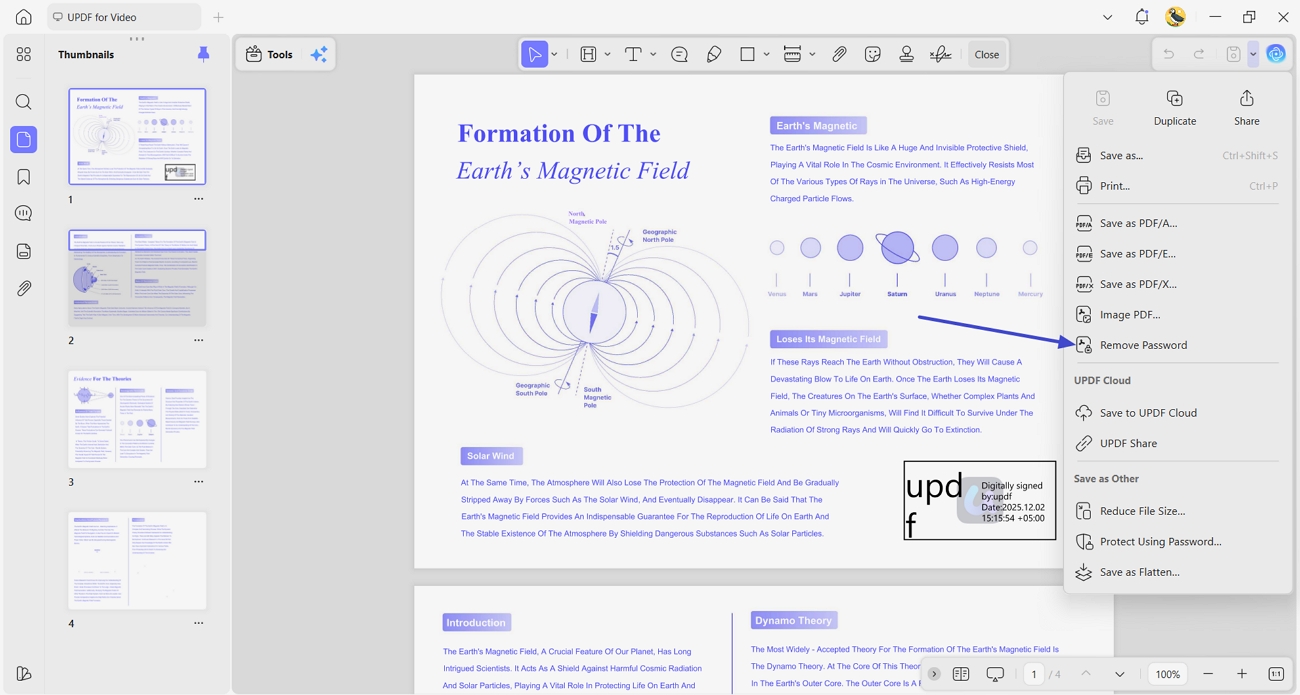
Step 1. Open the protected PDF in UPDF, click the dropdown arrow next to Save, and choose Remove Password.
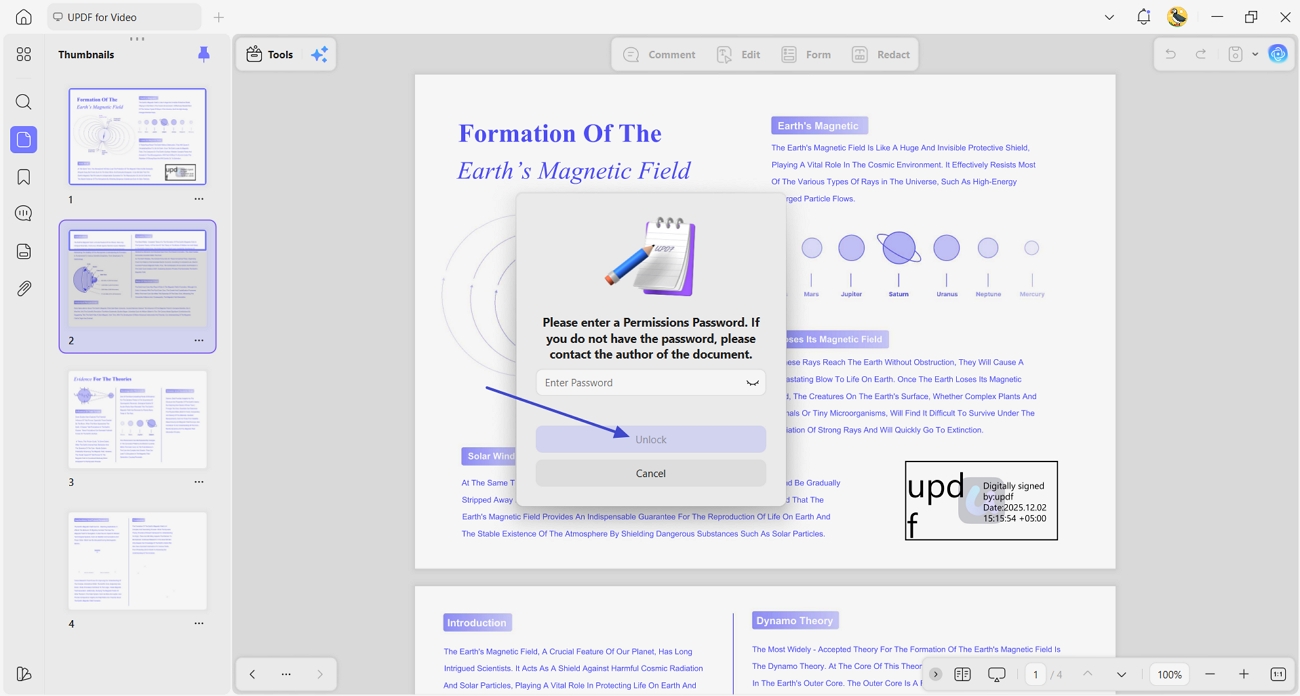
Step 2. UPDF asks for the permission password. Enter it, click Unlock, and choose where to save the unlocked PDF.
Step 3. UPDF opens the unlocked copy automatically. Open the print interface as in Part 2 and print — no password prompt this time.
Not for:
- files you're meant to keep restricted. Removing the lock produces a fully unprotected copy, so only do this on documents you own or are cleared to unlock — and keep the unlocked version somewhere appropriate.
If you regularly handle contracts or statements that arrive print-locked, download UPDF for free and try removing the lock on a copy first — installation is free, and Pro removes the trial watermark when you need clean output.
Windows • macOS • iOS • Android 100% secure
Part 4. How to Print a Secured PDF From iPhone, iPad, or Android
Best for:
- printing or forwarding a locked file while you're away from your computer — the UPDF mobile app opens password-protected PDFs and sends them to a nearby printer over AirPrint or your Android print service.
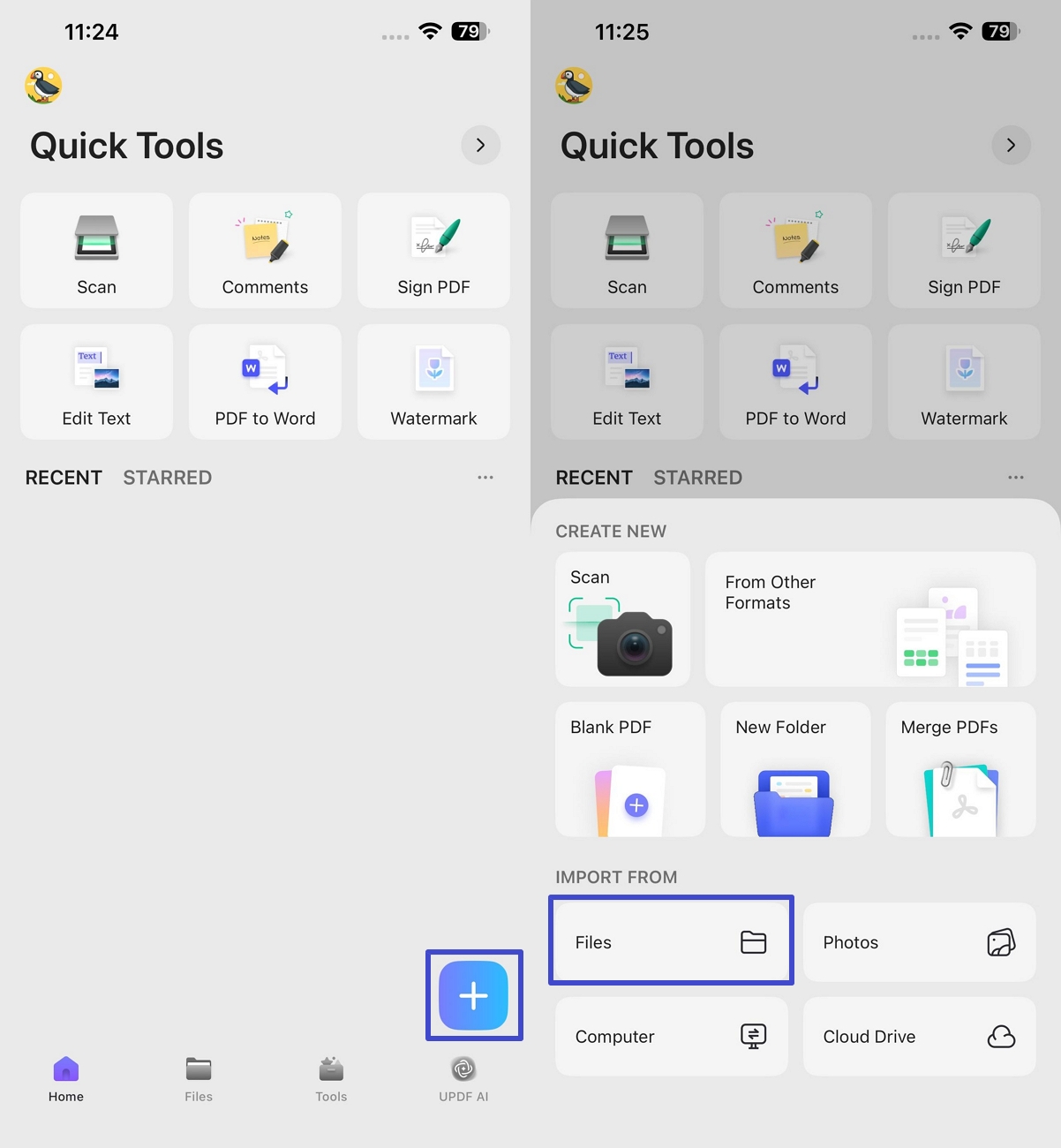
Step 1. Open UPDF on your iOS or Android device, tap the + icon, tap Files, and select the locked PDF.
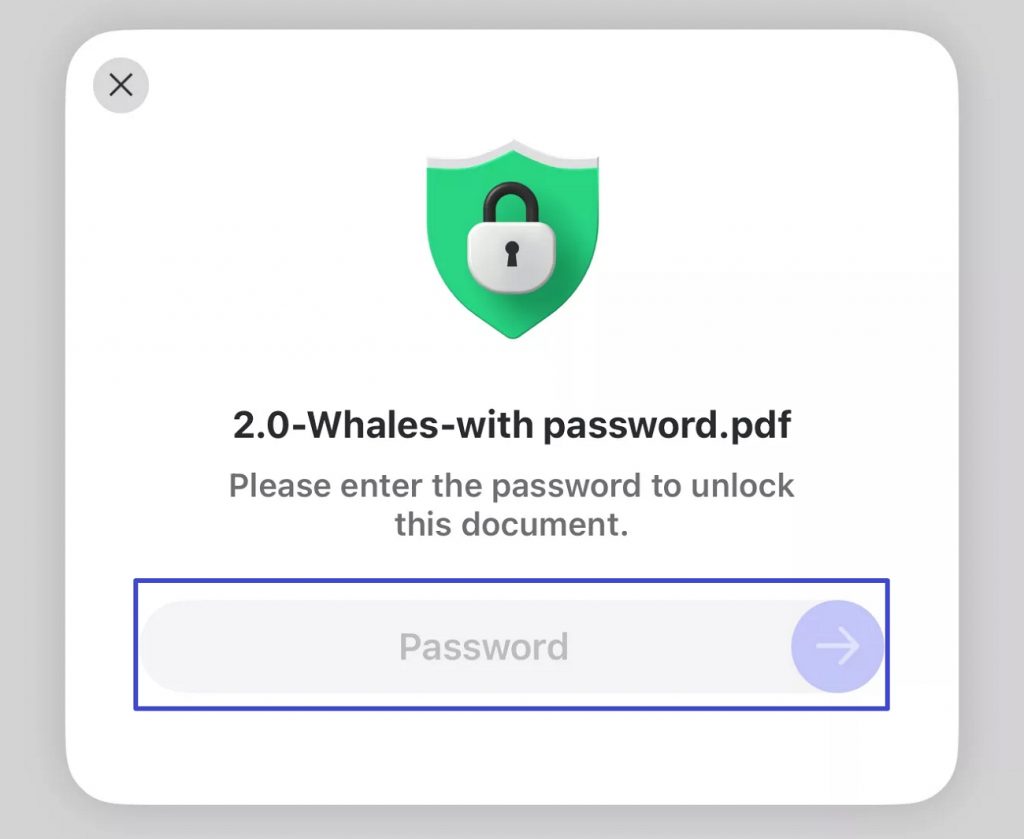
Step 2. Enter the open password to open the PDF.
Step 3. Tap the three-dots icon in the top-right corner and tap Print.
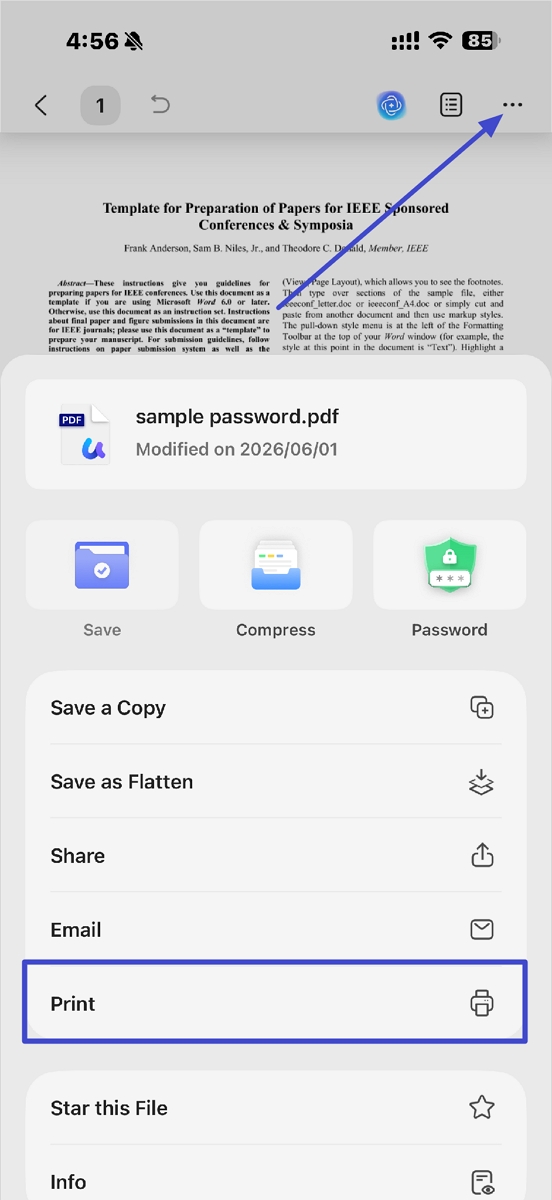
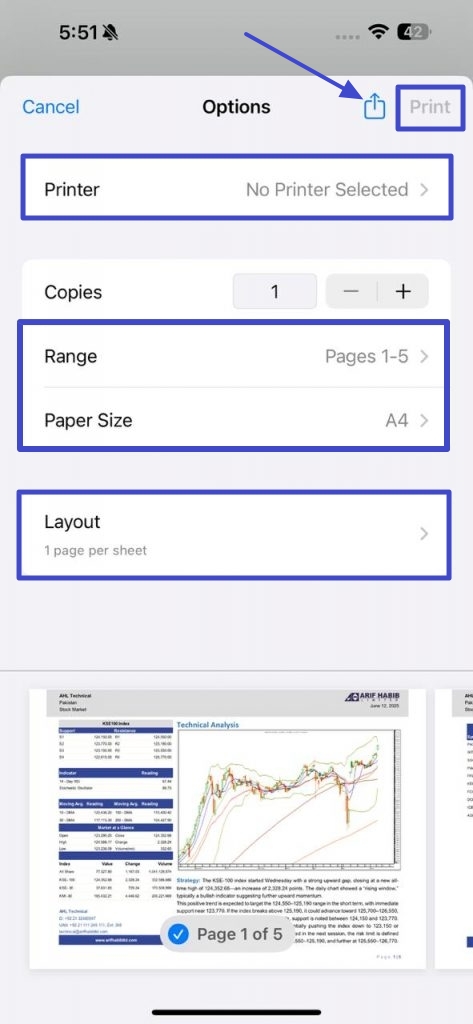
Step 4. Choose your printer, set the page range, page size, and layout, then tap Print. You can also tap the Share icon to send the file elsewhere.
Not for:
- granular permission unlocking. UPDF mobile handles file-open passwords, but permission-password removal and batch printing are desktop jobs — use Method 2 or Method 4 on Windows or Mac for those.
Part 5. How to Clear Restrictions With a Dedicated Password Remover (aJoysoft + UPDF)
Best for:
- anyone who wants a purpose-built tool that does one job — stripping PDF restrictions — rather than unlocking file by file inside an editor. It's especially handy when you're clearing several restricted PDFs at once.
aJoysoft PDF Password Remover is a standalone utility focused solely on removing PDF passwords and permission restrictions. You point it at the locked files, it saves cleared copies, and then UPDF prints them — including in one batch run.
Step 1. Go to the aJoysoft official site, click Try It Free to download it, and install it on your PC.
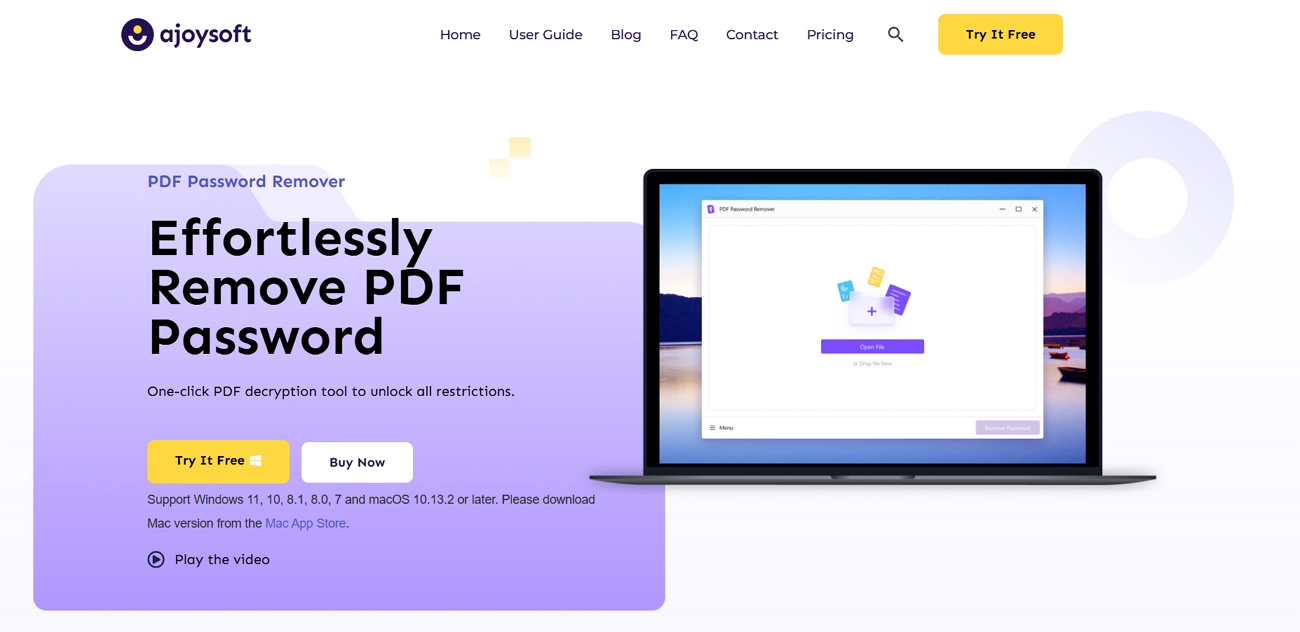
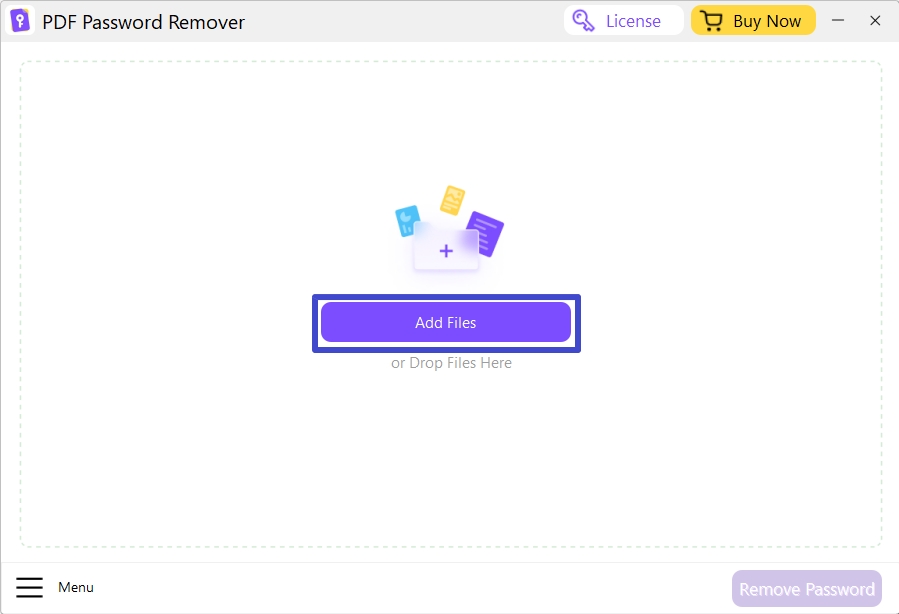
Step 2. Open aJoysoft and click Add Files to import your restricted PDFs. You can load several at once.
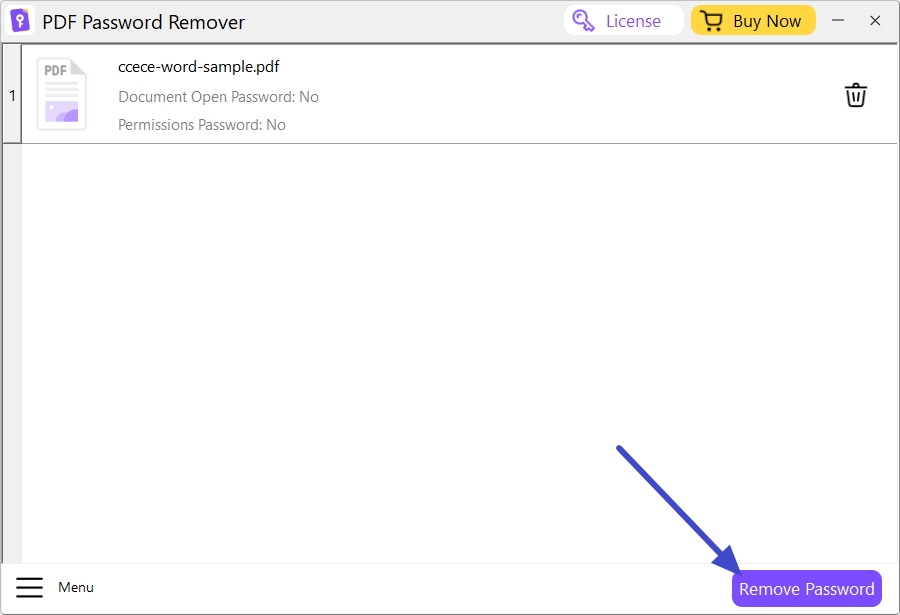
Step 3. Click Remove Password, then choose where to save the unrestricted copies. aJoysoft saves cleared versions you can print with UPDF.
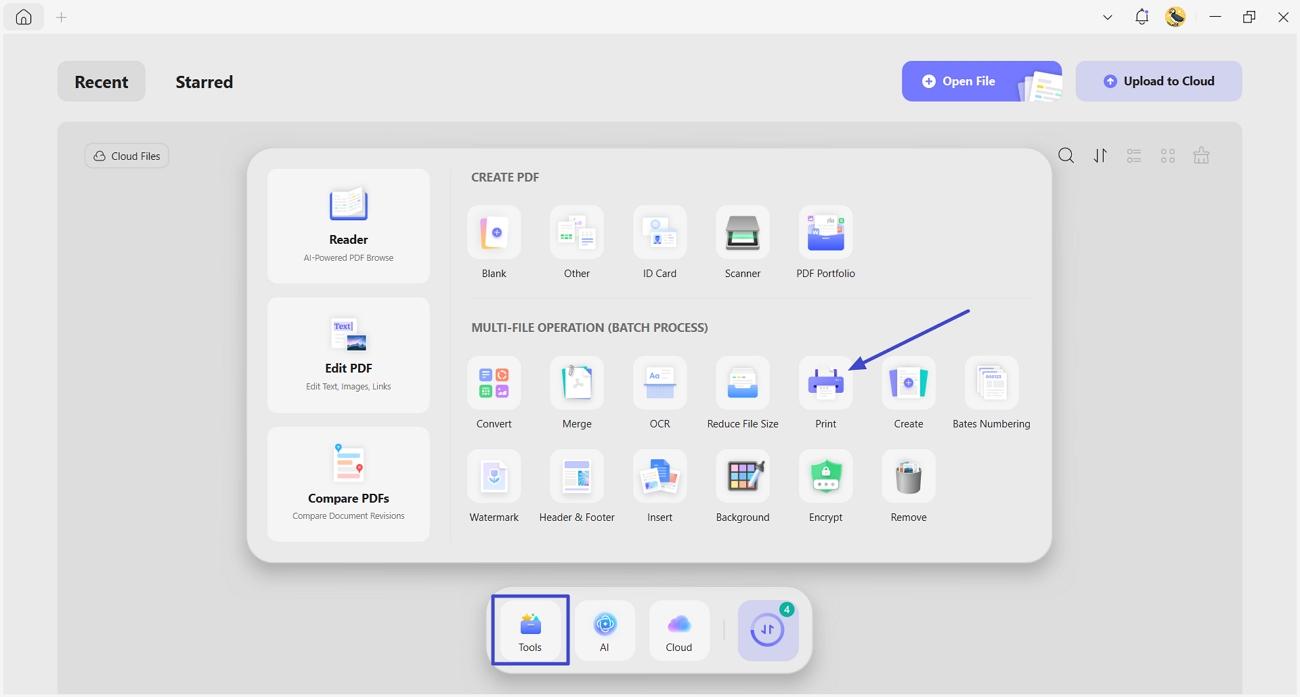
Step 4. On UPDF's home page, click Tools, then choose Print under the Batch Process section.
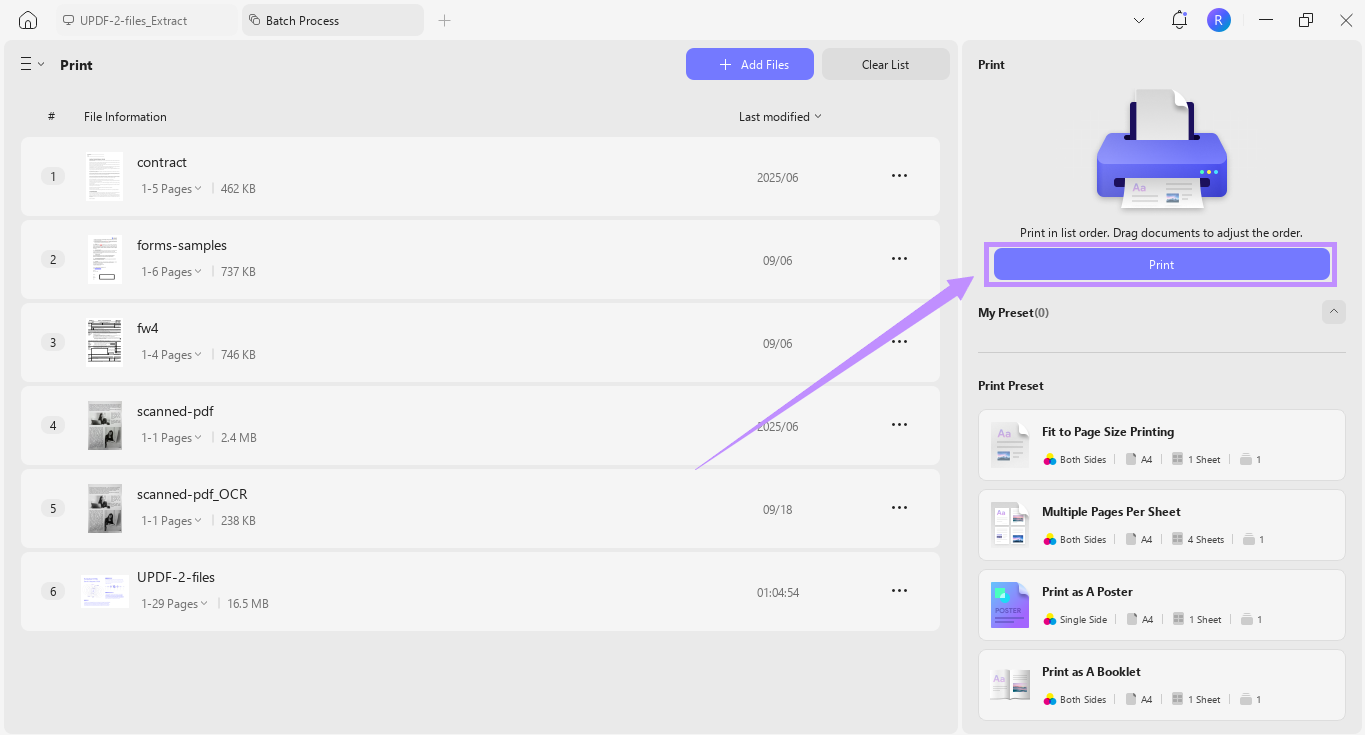
Step 5. Click Add Files to import the unlocked PDFs, then click Print to open the printing interface and print the files in one run.
How to get aJoysoft: you don't buy it separately. UPDF Pro users can unlock lifetime access by emailing [email protected] from their registered UPDF account address to request a redemption code. Eligible plans are UPDF Pro Annual, UPDF Pro Lifetime, or either paired with the AI bundle — current prices are on the UPDF pricing page.
Not for:
- open-password files you can't open. Like every method here, a dedicated remover clears permission restrictions on files you can access — it does not recover a forgotten open password.
Video tutorial for Printing a Secured PDF
Part 6. Open Password vs. Permission Password vs. Print Restriction — What's the Difference?
These three get confused constantly, and the confusion is exactly why printing "fails."
Open password → you can't even open the file without it. Permission password → the file opens, but actions like printing, copying, and editing are blocked. Print restriction → the specific action a permission password can switch off, which is why a file you can read still won't print.
Think of it as a building: the open password is the front-door key, the permission password is the set of internal-door keys, and the print restriction is one locked internal door. You're inside and can look around, but that one door stays shut until you have its key.
Part 7. Edge Cases — When the Standard Steps Don't Work
Even with the right method, a few situations trip people up:
- "I entered the password but printing is still greyed out." You likely typed the open password when the file wants the permission password. They can be different strings — the print prompt specifically wants the permission (owner) password.
- "I don't know the permission password at all." No tool legitimately bypasses a lock on a file you can't unlock or aren't authorized to reset. Ask the document's sender for the permission password or an unrestricted copy.
- "Print works on desktop but not from my phone." UPDF Mobile handles open-password files and standard printing; permission-password removal is desktop-only. Unlock on Windows or Mac (Method 2), then reopen on mobile.
- "Batch print skips some files." On the free tier, Batch Process handles only two files at a time. Clearing a large stack in one run needs UPDF Pro.
Part 8. FAQs About Printing Secured PDFs
1. Does removing the permission password change the file's content?
No. Removing the permission password only lifts the restrictions on printing, copying, and editing — the pages, text, and layout stay exactly as they were. UPDF saves an unrestricted copy so your original locked file is untouched unless you overwrite it.
2. Can Google Drive or Chrome print a print-restricted PDF?
Only if the restriction isn't a print block. Both can print a PDF you can open, but if the file specifically restricts printing, they'll fail the same way any reader does. You'd need to unlock it first (Method 2) and then print.
3. Is it legal to unlock a secured PDF for printing?
It depends on ownership and authorization. Unlocking a file you own or have permission to handle is fine; removing restrictions on someone else's protected document without authorization can breach their terms or copyright. Stick to files you're cleared to print.
Conclusion
Printing a secured PDF comes down to knowing which lock you're facing: a permission password blocks the print action, so you either enter it at print time (Method 1), remove it once for repeat use (Method 2), print from mobile (Method 3), or clear restrictions with the dedicated aJoysoft remover and print through UPDF's Batch Process (Method 4). Each route assumes you're authorized to handle the file.
For a fuller picture of every lock a PDF can carry — open passwords, permission passwords, redaction, and more — see UPDF's guide on how to protect a PDF.
Download UPDF for free to try printing or unlocking a secured PDF on your own file — installation is free, and Pro features are available when you need watermark-free output or batch printing.
Windows • macOS • iOS • Android 100% secure



 Enid Brown
 Lizzy Lozano