 UPDF
UPDF
 UPDF for Windows
 UPDF for Mac
 UPDF for iPhone/iPad
 UPDF for Android
 Nomostar
 UPDF AI Online
 UPDF Sign
 IvyCraft
 Edit PDF
 Annotate PDF
 Create PDF
 PDF Form
 Edit links
 Convert PDF
 OCR
OCR PDF to Word
 PDF to Image
 PDF to Excel
 Organize PDF
 Merge PDF
 Split PDF
 Crop PDF
 Rotate PDF
 Protect PDF
 Sign PDF
 Redact PDF
 Sanitize PDF
 Remove Security
 Read PDF
 UPDF Cloud
 Compress PDF
 Print PDF
 Batch Process
 About UPDF AI
 UPDF AI Solutions
 AI User Guide
 FAQ about UPDF AI
 Summarize PDF
 Translate PDF
 Chat with PDF
 Chat with AI
 Chat with image
 PDF to Mind Map
 Explain PDF
 PDF AI Tools
 Image AI Tools
 AI Chat Tools
 AI Writing Tools
 AI Study Tools
 AI Working Tools
 Other AI Tools
 AI Bookmark Generation
 AI Bookmark Summary
 AI Watermark Generation
 AI Background Generation
 AI Sticker Generation
 AI Stamp Generation
 AI Editing Suite
 UPDF Copilot
 AI Page Management
 AI Semantic Search
 PDF to Word
 PDF to Excel
 PDF to PowerPoint
 Enterprise Solution
 Enterprise Sign
 Enterprise AI
 Enterprise Plan
 Enterprise User Guide
 Enterprise Webinar
 Banking
 Healthcare
 Insurance
 Legal
Legal Manufacturing
 Government
 Researchers & PhDs
 Solopreneurs & Freelancers
 Lawyers & Legal Professionals
 Real Estate Agents & Brokers
 Education Solution
 Customer Stories
 User Guide
 UPDF Tricks
 FAQs
FAQs UPDF Reviews
 Download Center
 Blog
Blog Newsroom
 Tech Spec
 Updates
 UPDF vs. Adobe Acrobat
 UPDF vs. Foxit
 UPDF vs. PDF Expert

To download a PDF that is already hosted on a website, click the Download icon in the browser's PDF viewer or right-click the PDF link and choose Save link as. If you want to turn an ordinary webpage into a PDF instead, press Ctrl + P on Windows or Command + P on Mac and select Save as PDF.
This guide explains how to download a PDF from a website on desktop and mobile, change browser PDF settings, save a webpage as a PDF, and fix common download problems. Only save content that you own or have permission to download.
| What you see | Fastest method |
|---|---|
| A visible Download button | Click it and choose a save location. |
| A PDF open in the browser | Use the PDF viewer's Download icon. |
| A link that opens a PDF | Right-click it and choose Save link as. |
| An ordinary webpage | Print the page and select Save as PDF. |
| A blocked or failed download | Check permissions, browser settings, storage, and network. |
Part 1. Why Can't I Download a PDF from a Website?
A PDF may open instead of downloading because the browser is configured to display PDFs in its built-in viewer. A download can also fail because the website requires you to sign in, the file owner disabled downloading, a pop-up or security extension blocked the request, your connection was interrupted, or the device has insufficient storage.
First confirm that the link leads to a real PDF and that you are allowed to save it. Avoid misleading download buttons on ad-heavy pages, and do not disable security protection for an unfamiliar website.
Part 2. How to Download a PDF File from a Website Using the Download Button
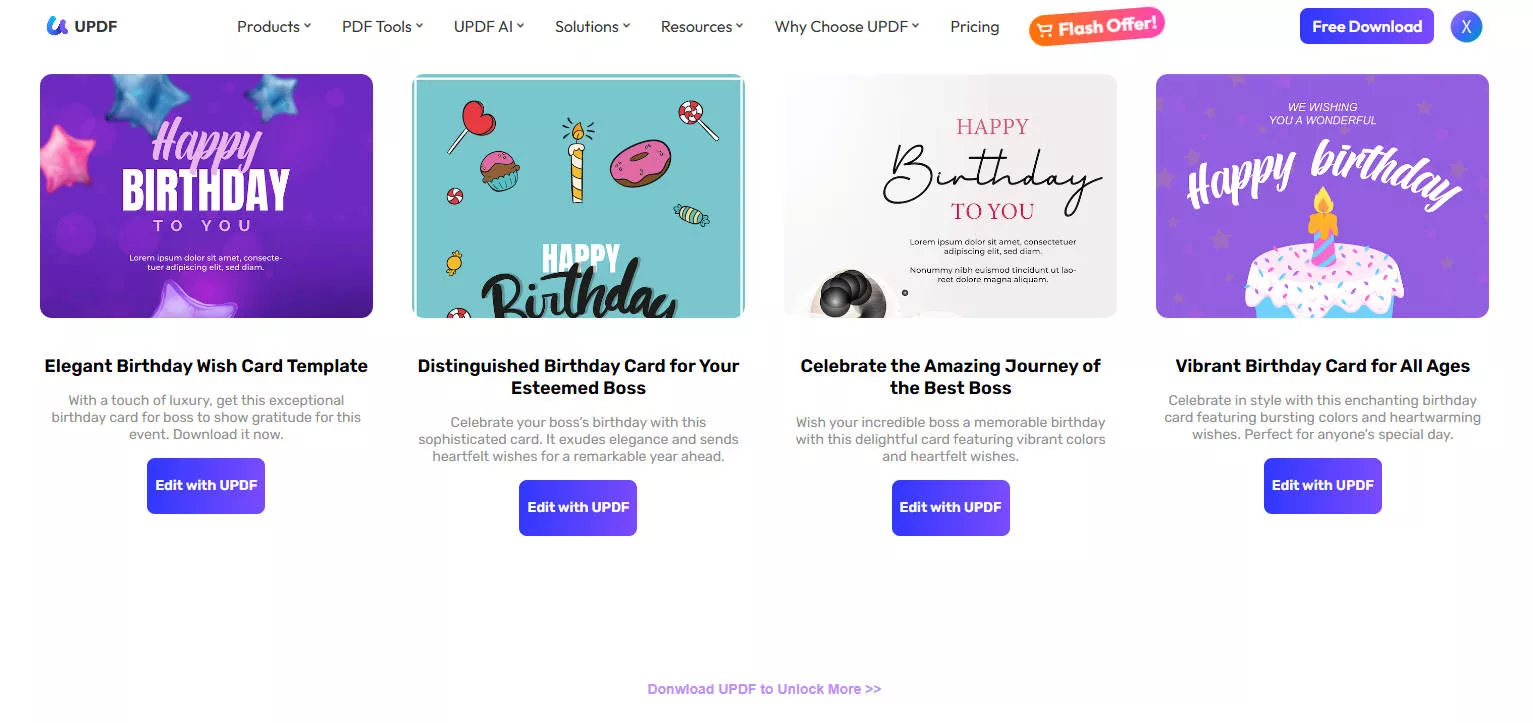
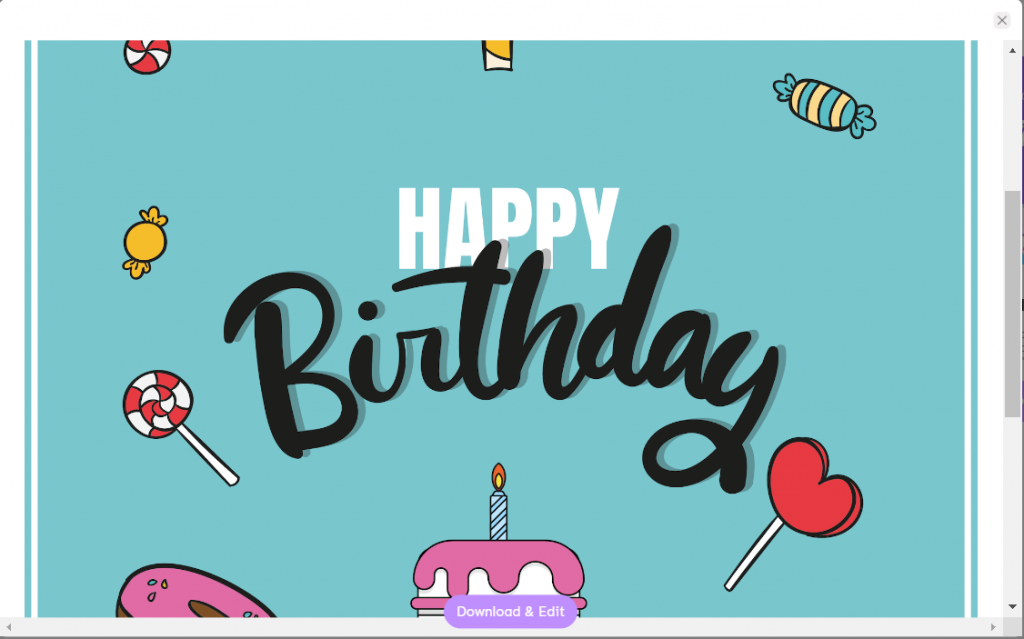
Many websites provide a button labeled Download, Download PDF, or Get PDF. Use the button associated with the document preview rather than an advertisement. For example, UPDF's PDF template library provides downloadable templates.
- Open the page containing the PDF and locate the document preview or title.
- Click the genuine Download button. If the browser asks for a location, choose a folder and confirm.
- Open the browser's Downloads list or your device's Downloads folder to find the saved PDF.
Part 3. How to Download a PDF That Opens in the Browser
When a PDF link opens the document in Chrome, Edge, Firefox, or Safari, the file has not necessarily been saved to your chosen folder. Use one of the following methods.
Method 1. Use the Browser PDF Viewer's Download Icon
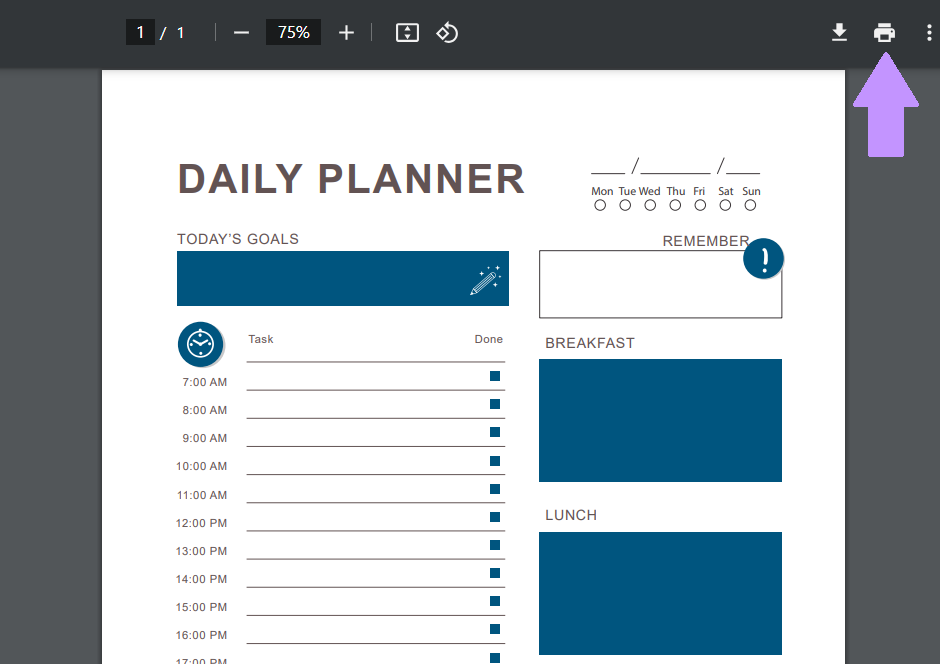
- Open the PDF link and wait for the document to load.
- Move the pointer over the PDF viewer toolbar and click the downward-arrow Download icon. On mobile, open the Share or browser menu if the icon is hidden.
- Choose a file name and location, then save the PDF.

Method 2. Save the PDF Link Directly
Return to the webpage, right-click the link to the PDF, and choose Save link as. On a touchscreen, press and hold the link and choose the available download or save option. This works best when the URL points directly to a file ending in .pdf.
Method 3. Print to PDF as a Fallback
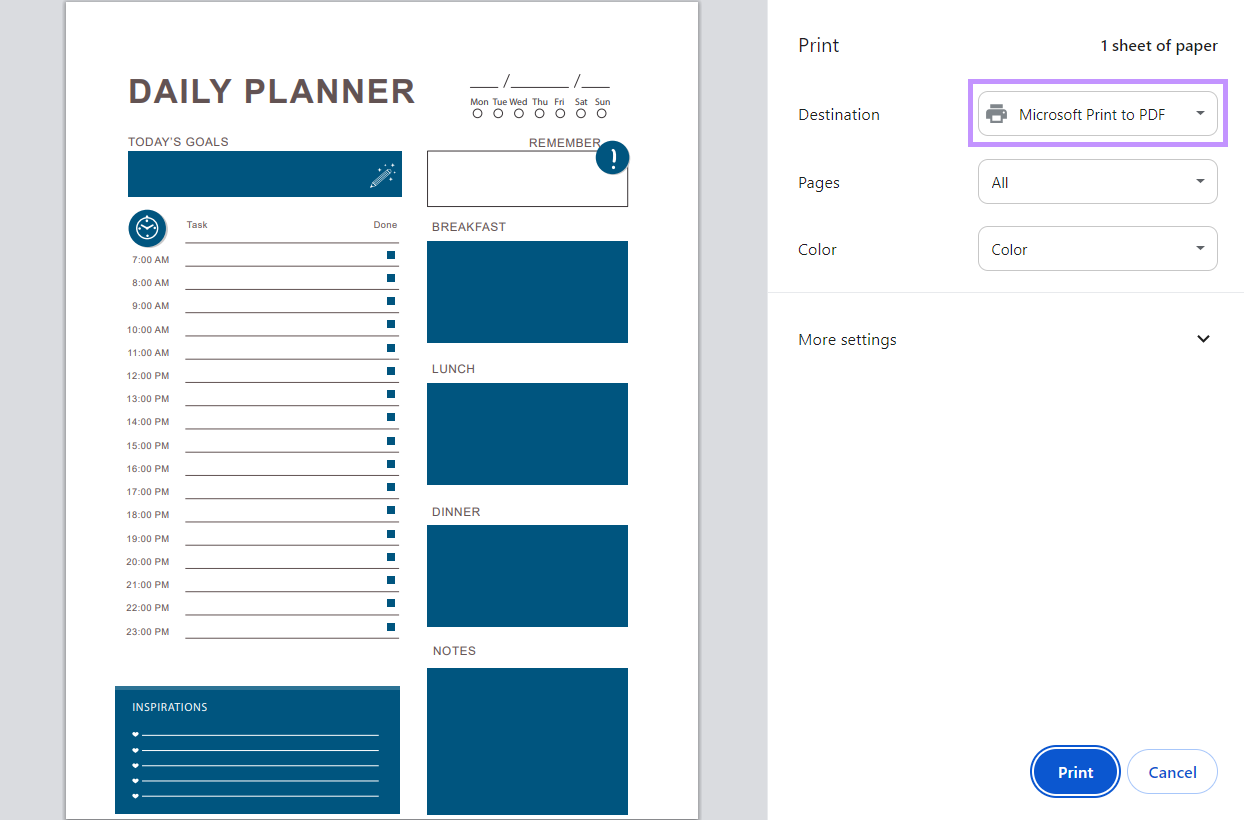
If the site permits printing but does not offer a direct download, press Ctrl + P or Command + P. Select Save as PDF, Microsoft Print to PDF, or the PDF menu in macOS, then save the file. Printing can flatten links, forms, comments, and other interactive elements, so prefer the Download icon when it is available.
Part 4. How to Download PDF Files Automatically with Browser Settings
If PDFs always open in a tab but you would rather download them, change the browser's PDF preference. Menu wording can vary slightly by browser version.
| Browser | Setting |
|---|---|
| Google Chrome | Settings → Privacy and security → Site settings → Additional content settings → PDF documents → Download PDFs |
| Microsoft Edge | Settings → Cookies and site permissions → PDF documents → turn on Always download PDF files |
| Mozilla Firefox | Settings → General → Applications → Portable Document Format (PDF) → Save File or Always ask |
| Safari on Mac | Open the PDF, then use the Download icon or File → Save As. Safari does not provide the same global PDF-download switch as Chrome. |
In Chrome, open Settings, select Privacy and security > Site settings, expand Additional content settings, and choose PDF documents. Select Download PDFs.


Part 5. How to Save a Webpage as a PDF
Downloading an existing PDF and converting a webpage into a PDF are different tasks. To save an ordinary webpage, press Ctrl + P on Windows or Command + P on Mac, select Save as PDF, adjust the page range, margins, scale, headers, footers, and background graphics, and click Save.
Dynamic pages may omit lazy-loaded images or cut off content, so scroll through the entire page before opening Print. For browser-specific instructions, see how to save a webpage as a PDF.
Part 6. How to Download a PDF from a Website on iPhone or Android
On iPhone or iPad
Open the PDF in Safari, tap Share, choose Save to Files, select a folder, and tap Save. If the download does not start or the Share sheet fails, use these fixes for when you can't download a PDF on iPhone.
On Android
Open the PDF in Chrome and tap the Download icon or the three-dot menu followed by Download. If you are saving a webpage rather than an existing PDF, choose Share > Print > Save as PDF. See more ways to save a PDF on Android.
Part 7. How to Download All PDF Files from a Website
For a page containing many public PDFs that you are authorized to save, downloading each file manually is the safest option. Browser extensions can collect direct .pdf links, but they may request access to browsing data and page contents.
- Use only a well-maintained extension from the official browser store.
- Review its developer, update date, user feedback, privacy policy, and requested permissions.
- Do not run bulk-download extensions on banking, company, school, or other sensitive websites.
- Confirm that bulk downloading is permitted by the site's terms and the document owner.
Some embedded viewers do not expose direct PDF links, so an extension may find nothing even when documents are visible on the page.
Part 8. What If the Website Blocks the PDF Download?
A disabled Download button does not automatically mean the browser is broken. The document may require an account, subscription, organization login, or permission from the owner. Sign in with the correct account, check the site's access terms, and request a downloadable copy from the publisher when necessary.
Do not use developer tools, third-party downloaders, screenshots, or other workarounds to bypass DRM, a paywall, or a technical restriction. Printing or taking screenshots is appropriate only when the content belongs to you or you have explicit permission to save it.
Part 9. How to Fix PDF Download Problems
| Problem | What to try |
|---|---|
| The PDF opens instead of downloading | Click the viewer's Download icon or change the browser's PDF setting. |
| The Download button does nothing | Allow pop-ups and automatic downloads for the trusted site, then retry. |
| The file is HTML instead of PDF | Make sure the link points to the actual PDF rather than a webpage or sign-in screen. |
| The download stops partway | Check the network, available storage, and browser Downloads list, then restart the download. |
| You cannot find the saved file | Open the browser's Downloads list or check the device's Downloads folder and Files app. |
| The saved PDF will not open | Download it again, confirm that its size is not zero, and try another trusted PDF reader. |
| The website denies access | Sign in, verify your subscription or permissions, or contact the document owner. |
Part 10. What to Do After Downloading the PDF
Once the PDF is saved to your device, you may still need to search it, highlight important sections, add comments, edit outdated text or images, organize pages, or run OCR on scanned pages. UPDF brings these tools together on Windows, Mac, iOS, and Android and is free to download and try.
Windows • macOS • iOS • Android 100% secure
- Open the downloaded PDF in UPDF.
- Select Edit under Tools to modify existing text, images, or links, or use Comment to highlight and annotate the document.
- If the PDF is a scan, run OCR before editing or searching its text. Save the finished document when you are done.
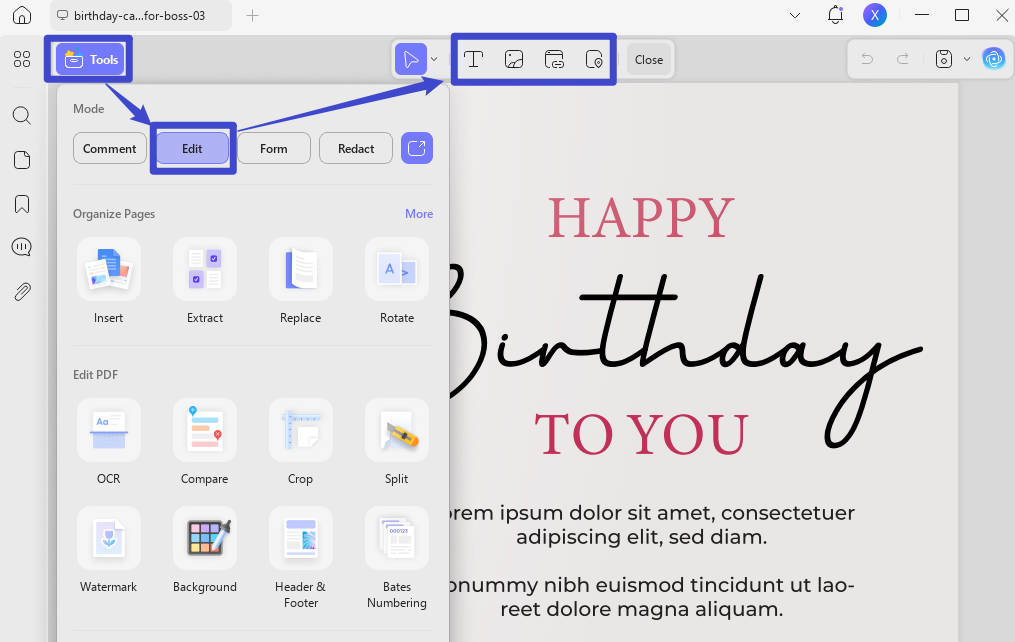
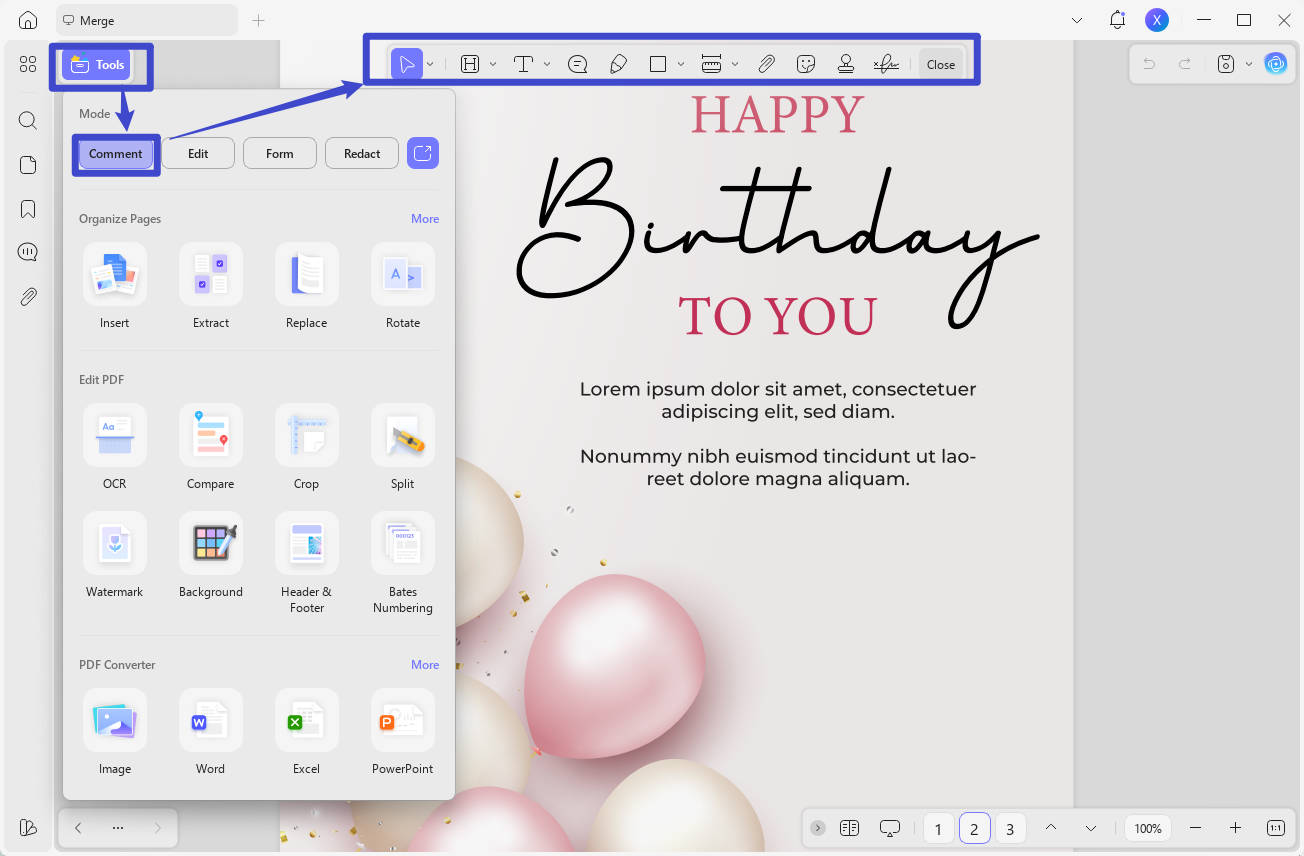
For a fuller editing workflow, learn how to edit a PDF with desktop, mobile, and online options.
Final Thoughts
The fastest way to download a PDF from a website is to use the site's Download button, the browser PDF viewer's Download icon, or Save link as. Use Print to PDF when you need to save an ordinary webpage or when an authorized document supports printing but not direct downloading. If the site blocks access, respect the restriction and request permission instead of attempting to bypass it.
After the file is stored locally, UPDF can help you read, search, annotate, edit, OCR, and organize it across desktop and mobile devices.
Windows • macOS • iOS • Android 100% secure






 Enola Davis
 Lizzy Lozano