 UPDF
UPDF
 UPDF for Windows
 UPDF for Mac
 UPDF for iPhone/iPad
 UPDF for Android
 Nomostar
 UPDF AI Online
 UPDF Sign
 IvyCraft
 Edit PDF
 Annotate PDF
 Create PDF
 PDF Form
 Edit links
 Convert PDF
 OCR
OCR PDF to Word
 PDF to Image
 PDF to Excel
 Organize PDF
 Merge PDF
 Split PDF
 Crop PDF
 Rotate PDF
 Protect PDF
 Sign PDF
 Redact PDF
 Sanitize PDF
 Remove Security
 Read PDF
 UPDF Cloud
 Compress PDF
 Print PDF
 Batch Process
 About UPDF AI
 UPDF AI Solutions
 AI User Guide
 FAQ about UPDF AI
 Summarize PDF
 Translate PDF
 Chat with PDF
 Chat with AI
 Chat with image
 PDF to Mind Map
 Explain PDF
 PDF AI Tools
 Image AI Tools
 AI Chat Tools
 AI Writing Tools
 AI Study Tools
 AI Working Tools
 Other AI Tools
 AI Bookmark Generation
 AI Bookmark Summary
 AI Watermark Generation
 AI Background Generation
 AI Sticker Generation
 AI Stamp Generation
 AI Editing Suite
 UPDF Copilot
 AI Page Management
 AI Semantic Search
 PDF to Word
 PDF to Excel
 PDF to PowerPoint
 Enterprise Solution
 Enterprise Sign
 Enterprise AI
 Enterprise Plan
 Enterprise User Guide
 Enterprise Webinar
 Banking
 Healthcare
 Insurance
 Legal
Legal Manufacturing
 Government
 Researchers & PhDs
 Solopreneurs & Freelancers
 Lawyers & Legal Professionals
 Real Estate Agents & Brokers
 Education Solution
 Customer Stories
 User Guide
 UPDF Tricks
 FAQs
FAQs UPDF Reviews
 Download Center
 Blog
Blog Newsroom
 Tech Spec
 Updates
 UPDF vs. Adobe Acrobat
 UPDF vs. Foxit
 UPDF vs. PDF Expert

Are you having trouble with the error message "There was a problem reading this document 14" in Adobe Acrobat? It can be quite frustrating, right?
PDF files contain a cross-reference table listing the byte offset of every object. Error 14 fires when Acrobat reads an offset from this table, jumps to that byte position, and finds unexpected data — either the wrong object number, a different object type, or corrupted bytes.
This is most commonly caused by a partial file transfer, a PDF editor that rewrote objects without updating the cross-reference table, or a generator that computed wrong object offsets.
In this detailed guide, we have put together 8 foolproof solutions for this issue.
If you get Error 14 when opening a file → most likely file corruption (try Way 1 or 2). If you get Error 14 when saving a file after adding comments → a known Acrobat bug with cross-reference table updates (see Way 7). If the file opens fine in Chrome but not in Acrobat → the cross-reference table is misaligned (see Way 8).
8 Ways to Fix “There Was a Problem Reading This Document 14”
If you’re getting the “Adobe there was a problem reading this document 14,” here are 8 tried and tested ways to fix it:
Way 1: Compress PDF to Smaller Size with Adobe Acrobat Alternative
Compressing a PDF forces the tool to rewrite the file's internal object structure and rebuild the cross-reference table — which directly addresses the offset corruption that causes Error 14.
When you encounter the error "There was a problem reading this document 14" in Adobe Acrobat, one effective way to fix this issue is to compress the PDF file to a smaller size.
There are many different PDF compression tools available, but one of the best options is UPDF. UPDF is a powerful and versatile PDF editor that can also compress PDF files. It is available for both Windows and macOS, and it has a number of features that make it ideal for this purpose.
Why Use UPDF Instead of Adobe Acrobat?
Because:
- UPDF is much more affordable than Adobe Acrobat.
- It has a wide range of features, including the ability to compress PDF files, edit PDF files, convert PDF files to other formats, and more.
- UPDF is very easy to use, even for beginners.
What Advantages Does UPDF Have?
- UPDF can compress PDF files by up to 90%.
- It can also optimize PDF files for different purposes, such as printing, sharing, or emailing.
- It is very fast and efficient, so that you can compress PDF files quickly and easily.
Therefore, if you are looking for a powerful and affordable way to compress PDF files, then UPDF is the perfect choice for you. Download UPDF today and start enjoying all of its benefits!
Windows • macOS • iOS • Android 100% secure
💡 Before you try UPDF: If you just need to open the file once, try dragging it into a Chrome tab first. Chrome's PDFium uses linear scanning instead of the cross-reference table, so it can often open files that Acrobat rejects. If it opens, print to PDF from Chrome to create a clean copy.
How to Compress PDFs Using UPF?
Here are the steps to compress PDFs with UPDF:
Step 1: Launch UPDF, open PDF, and click on the narrow next to "Save" from the menu on the right.
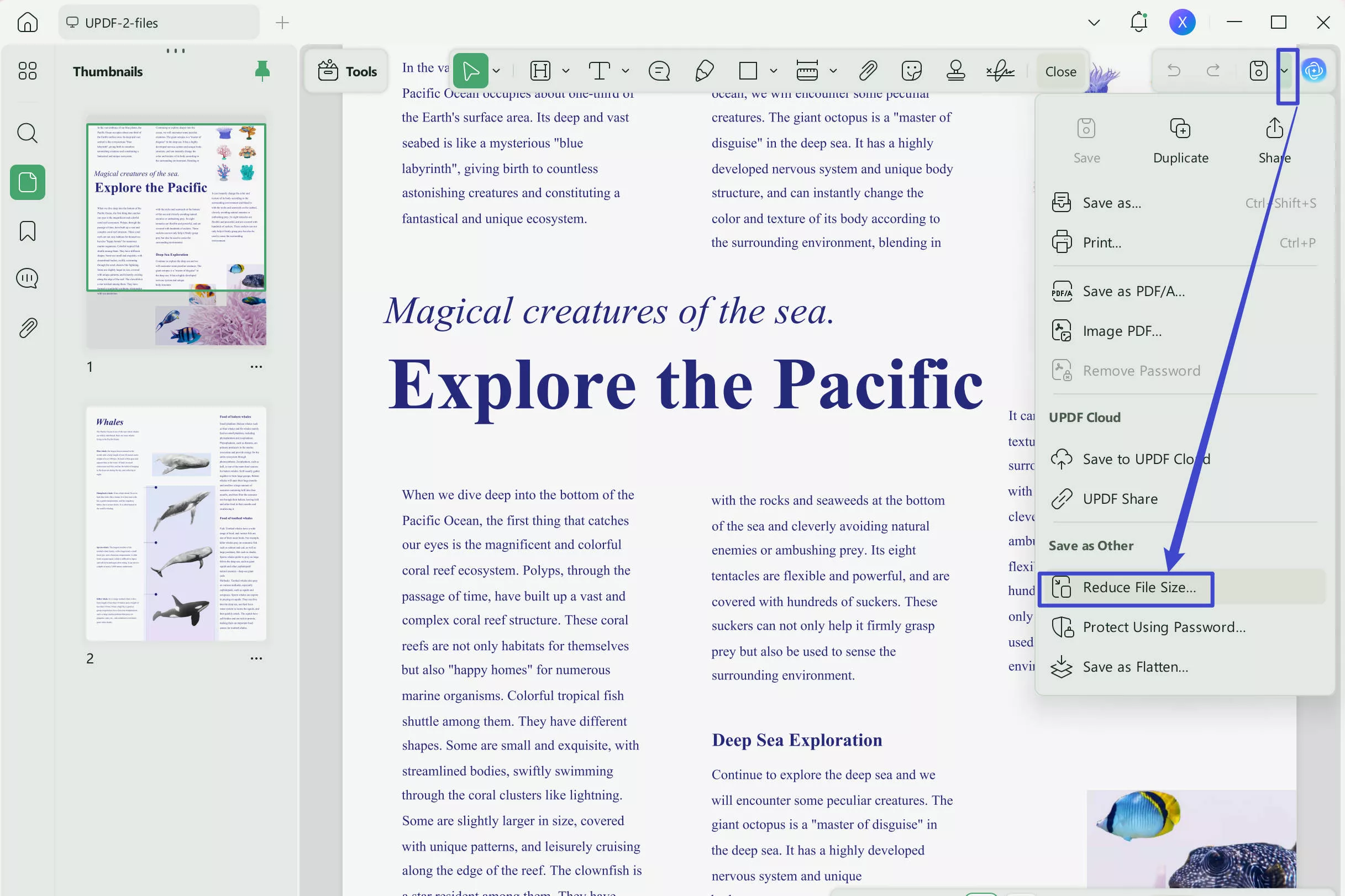
Step 2: Now, click on “Reduce File Size” from the options that appear.
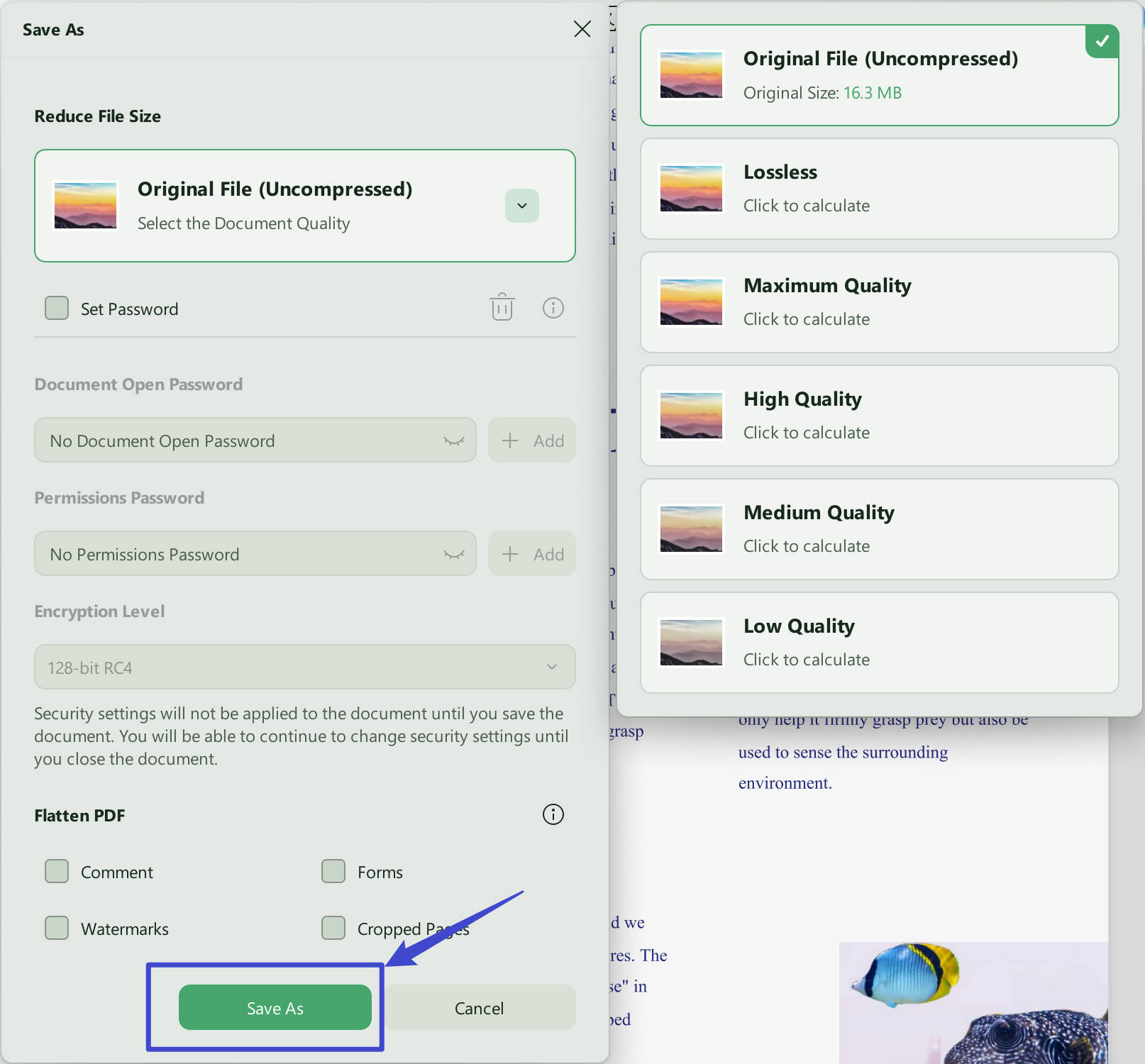
Step 3: Select the document quality from medium, high, or low, and click on “Save As.”
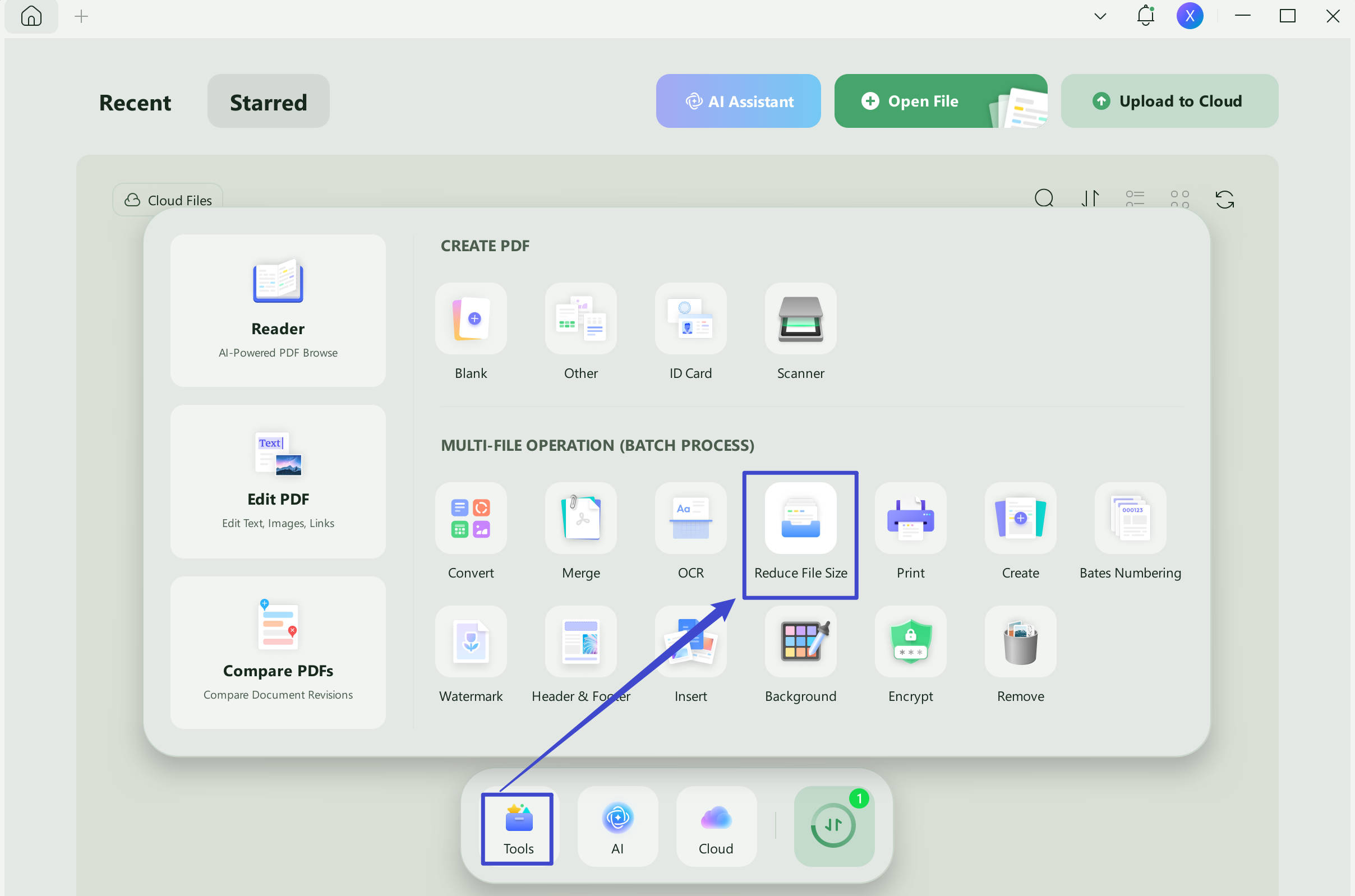
Step 4: You can also compress a PDF by selecting “Tools” from the left side menu and selecting “Reduce File Size” from the Optimize PDF section.
Step 5: Go to Adobe Acrobat and open PDF to see if the problem is fixed.
Way 2: Print to PDF with Adobe Acrobat Alternative
Another effective way to fix the "Adobe there was a problem reading this document 14" error is to print the PDF file to a new PDF file.
For this method also, we recommend using UPDF.
Here’s what to do:
Step 1: Launch UPDF and open the PDF file.
Step 2: Click on “File > Print.”
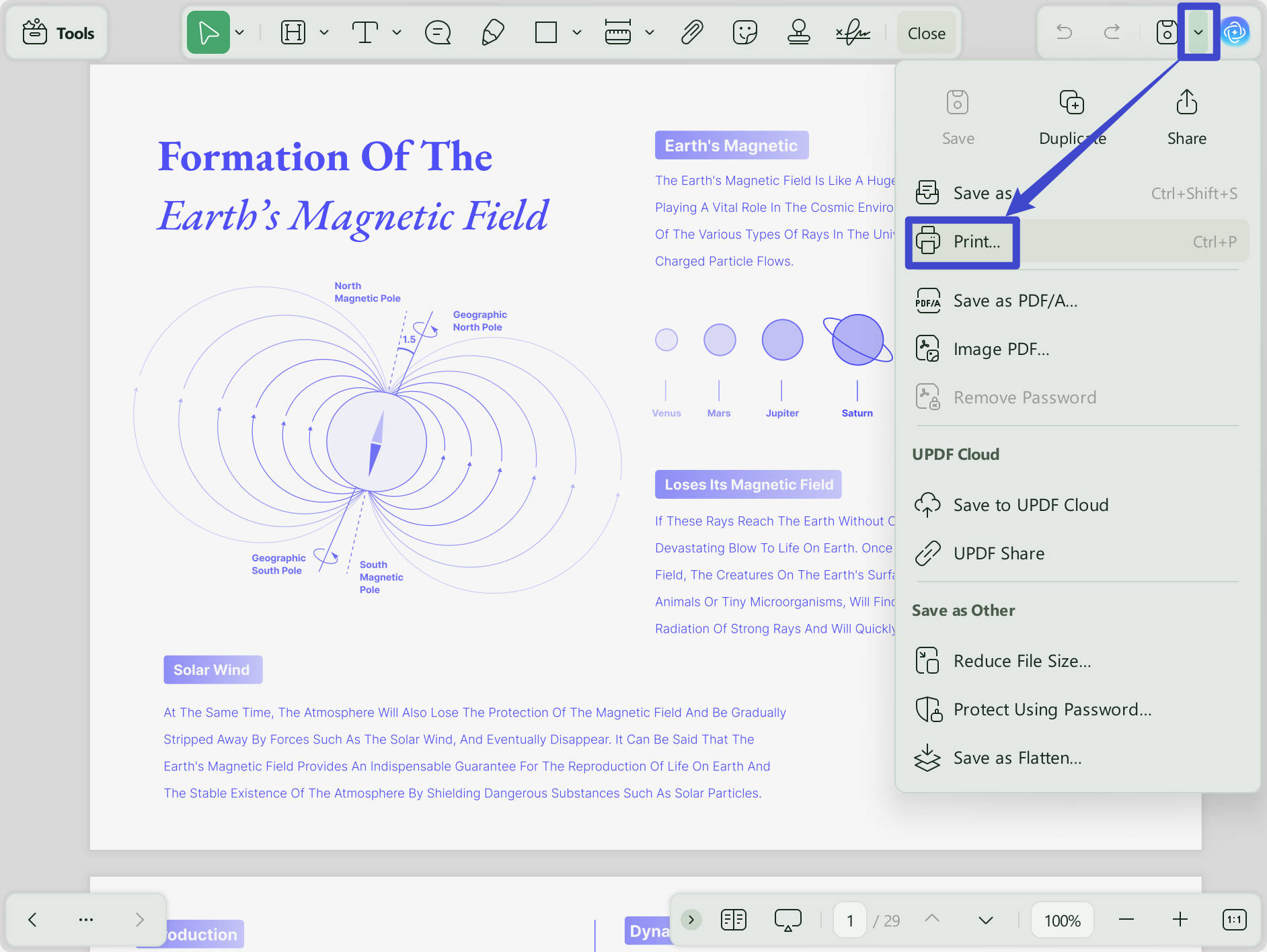
Step 3: Now, set the paper size, orientation, and number of pages, select “Microsoft Print to PDF,” and click “Print.”
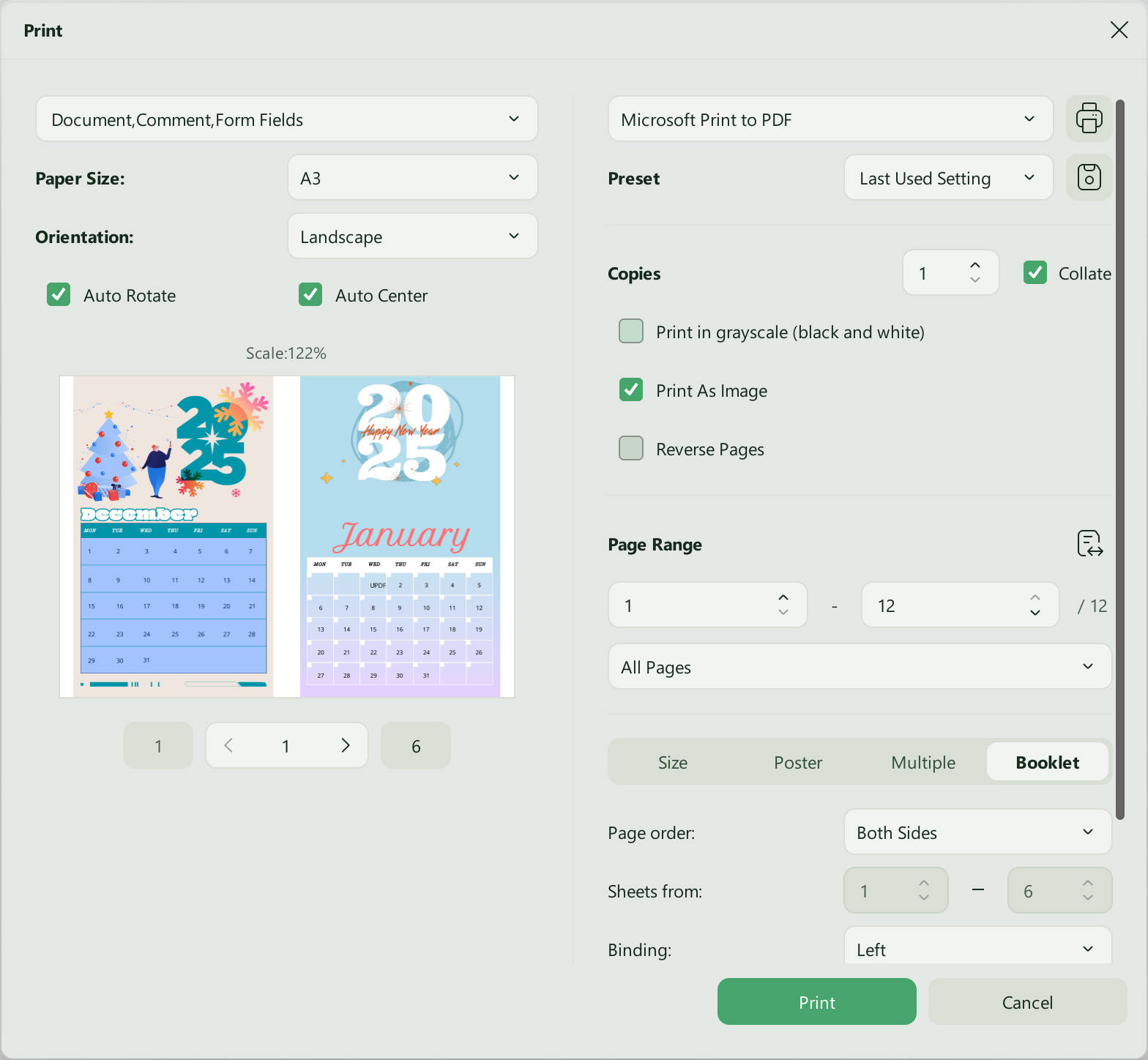
Step 4: You will get the option to save the PDF to your PC. Select your desired folder to save it.
Now, you can check if you can open your PDF with Adobe Acrobat.
Way 3: Convert to Other Formats and Convert Back with Adobe Acrobat Alternative
The next solution on our list is to convert the PDF to another format and then convert it back to PDF format using UPDF.
Here’s how:
Step 1: Launch UPDF, open the PDF that you want to convert to another format, and click on “Tools” to find "PDF Converter".
Step 2: Next, click "More".
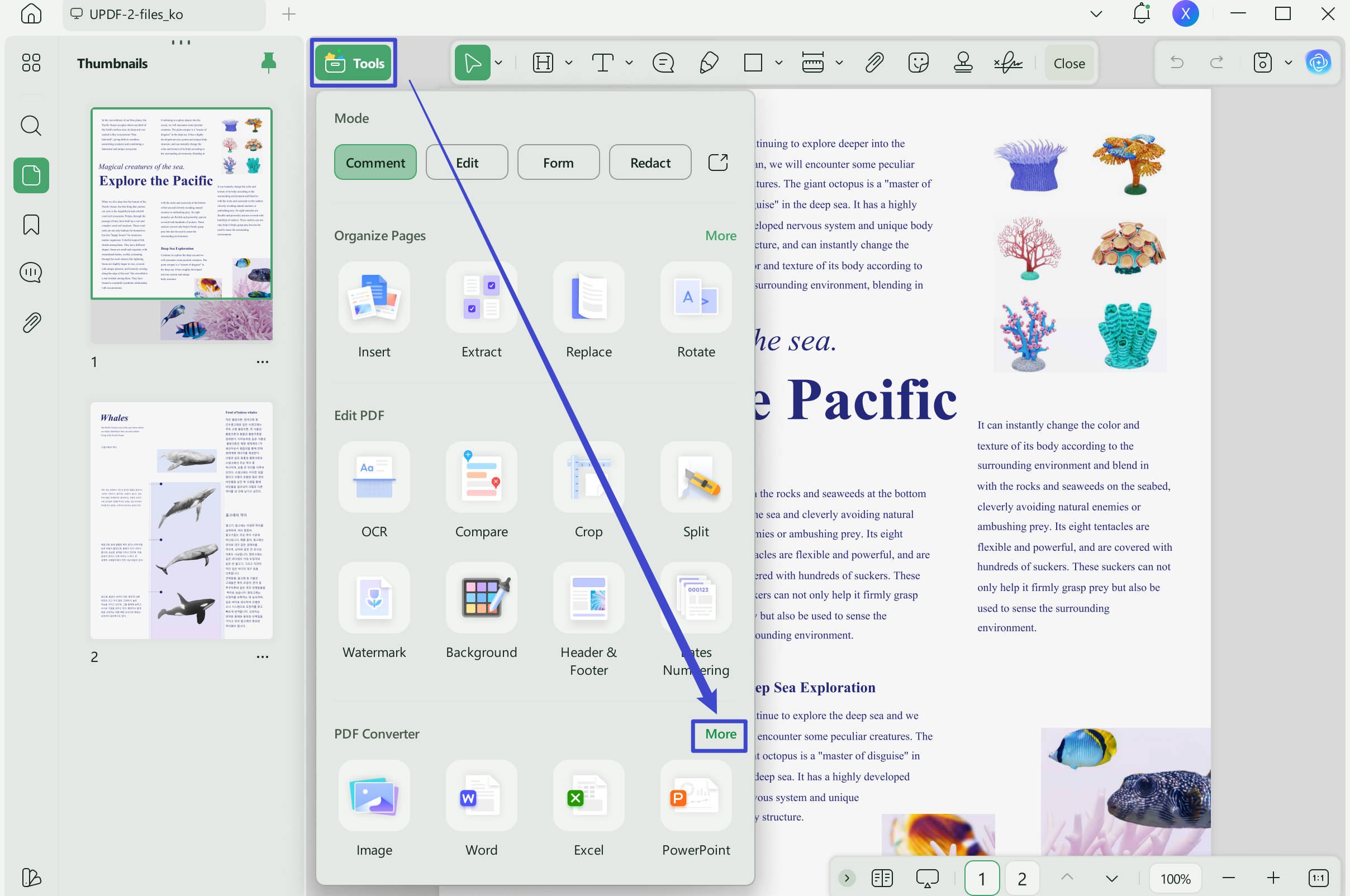
Step 3: Select the “Output Format”, adjust the settings such as Page Range, etc.
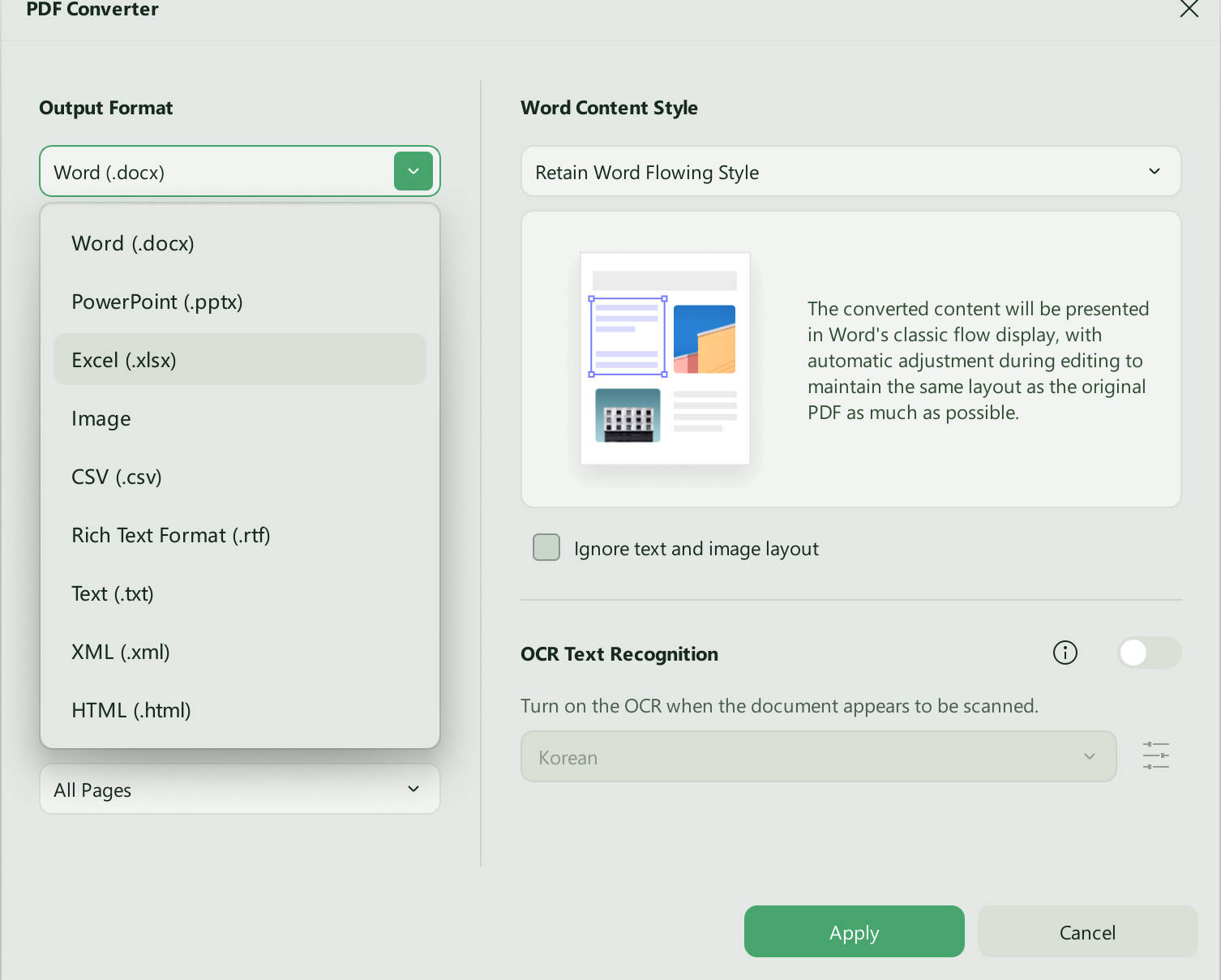
This will transform the PDF to your selected format. For this example, we chose Word format.
To convert it to PDF again, follow these steps:
Step 1: Drag the converted file to UPDF’s “Open File” area, and UPDF will convert the file to PDF automatically.
Step 2: Click on the “Save” to save the PDF to convert it back to PDF.
Now, you can open the new PDF with Adobe Acrobat to check if the problem is fixed.
Way 4: Insert a Blank Page with Adobe Acrobat Alternative
Another effective way to fix the "There was a problem reading this document 14" error is to insert a blank page into the PDF file using UPDF. This can help to create a clean copy of the file that is free of this issue.
Here’s what to do:
Step 1: Open the PDF using PDF, and click on “Organize Pages” from the options on the left.
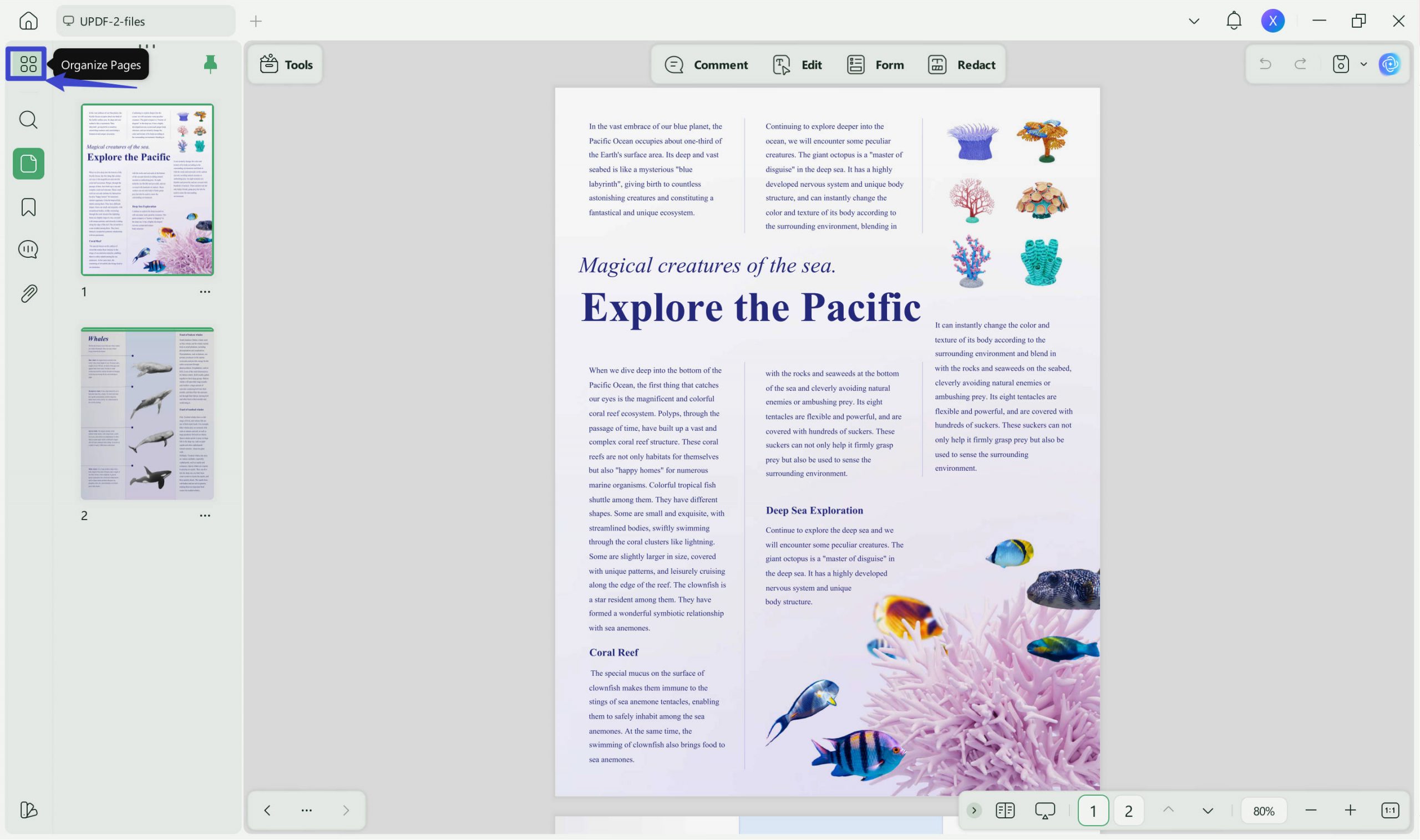
Step 2: Select “Insert > Blank Page” from the options at the top.
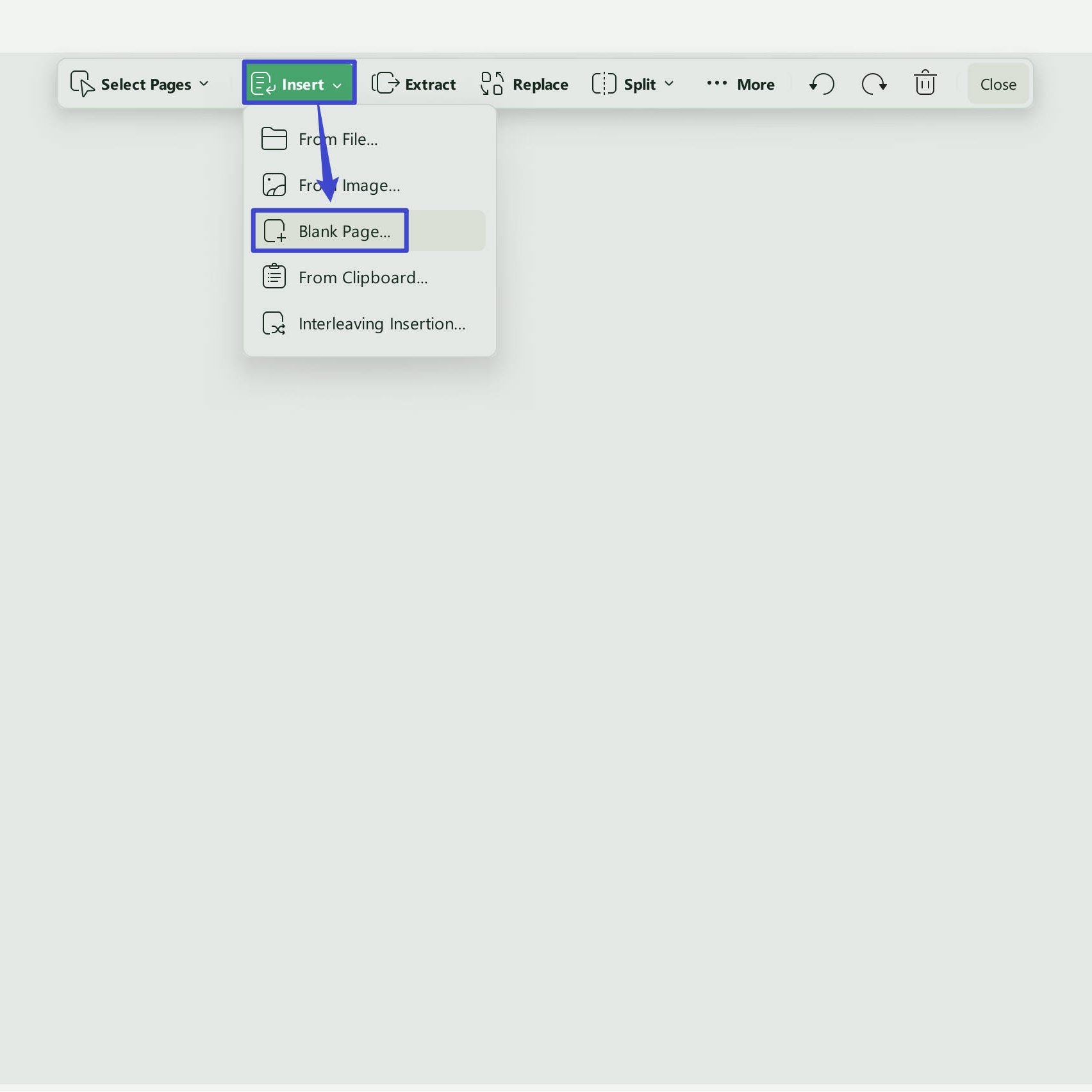
Step 3: Once the changes are done, you can click on the “File” > “Save” to save the changes. Now you can go to Adobe Acrobat and open it to see if the problem is fixed.
UPDF is not only limited to compressing and editing PDFs. It has several other features that make it the best.
Features of UPDF
Here are some key features of UPDF:
- It can create PDF files from scratch.
- It can convert PDF files to other formats.
- You can sign PDF files with UPDF.
- And, you can also protect PDF files with a password.
If you are looking for a versatile PDF editor, then UPDF is the perfect pick. Purchase UPDF today.
Windows • macOS • iOS • Android 100% secure
Way 5: Restart Adobe Acrobat
If nothing else works and you continue seeing the “Adobe there was a problem reading this document 14” you can always try restarting the tool.
For this:
Step 1: Click on “x” at the top of the window to close the program.
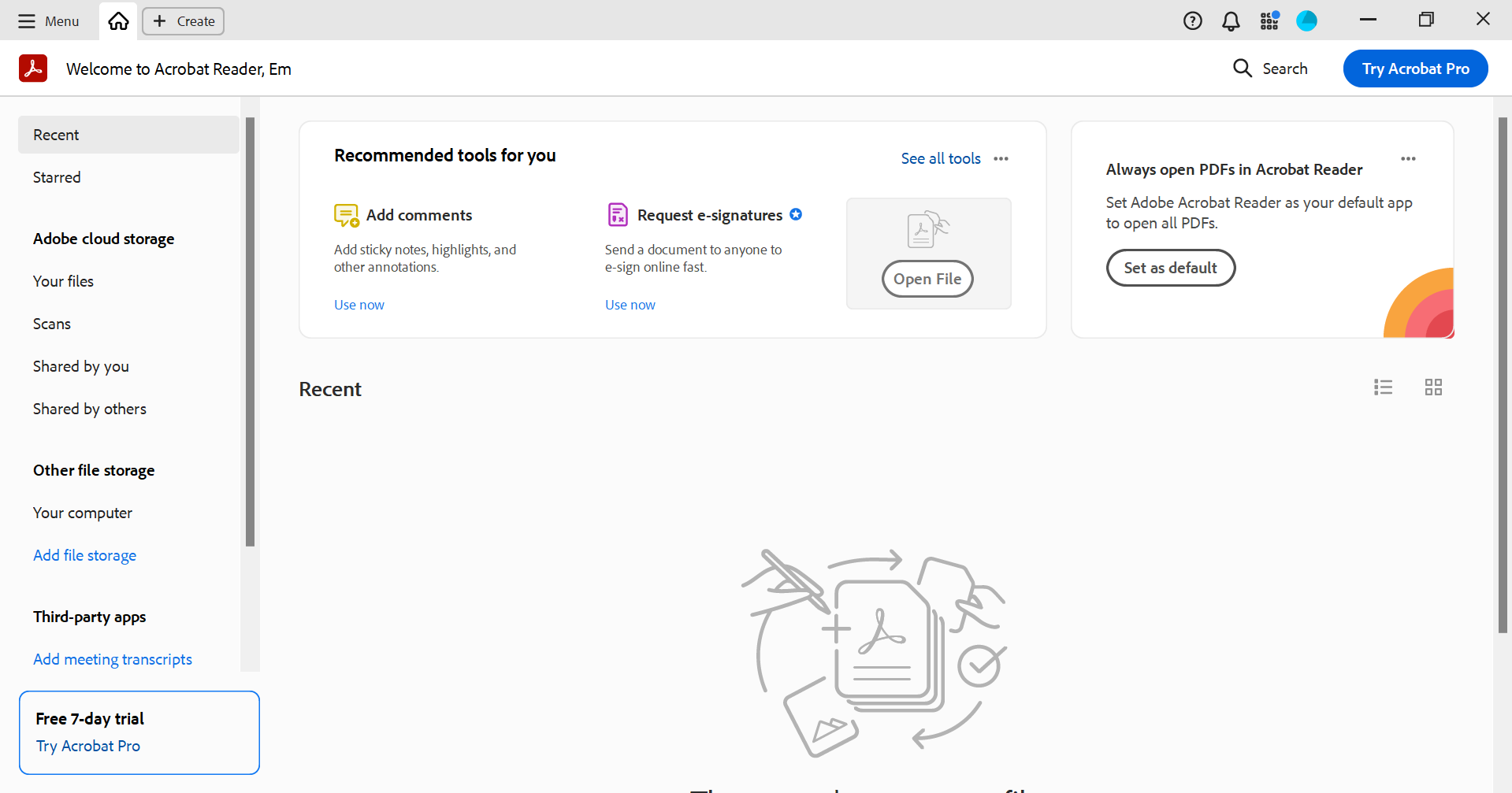
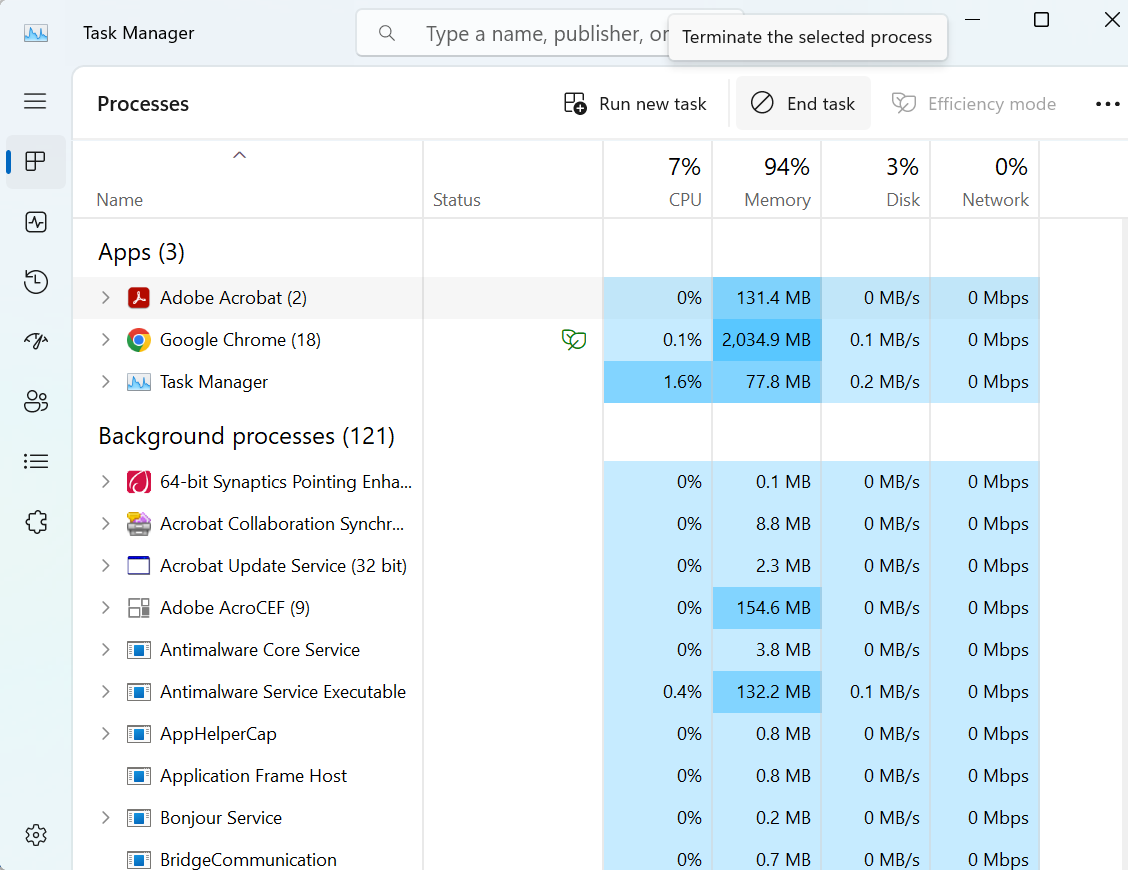
Step 2: Alternatively, you can press “Ctrl + Shift + Esc” to open the taskbar, select Acrobat from the list, and click on “End Task.”
Step 3: Next, click on Adobe Acrobat’s icon and relaunch it. Open PDF and check if the issues exists.
Way 6: Reinstall Adobe Acrobat
As a last resort, you can reinstall Adobe Acrobat on your PC. This will resolve any glitches with the tool and also upgrade it to the latest version.
Here’s how:
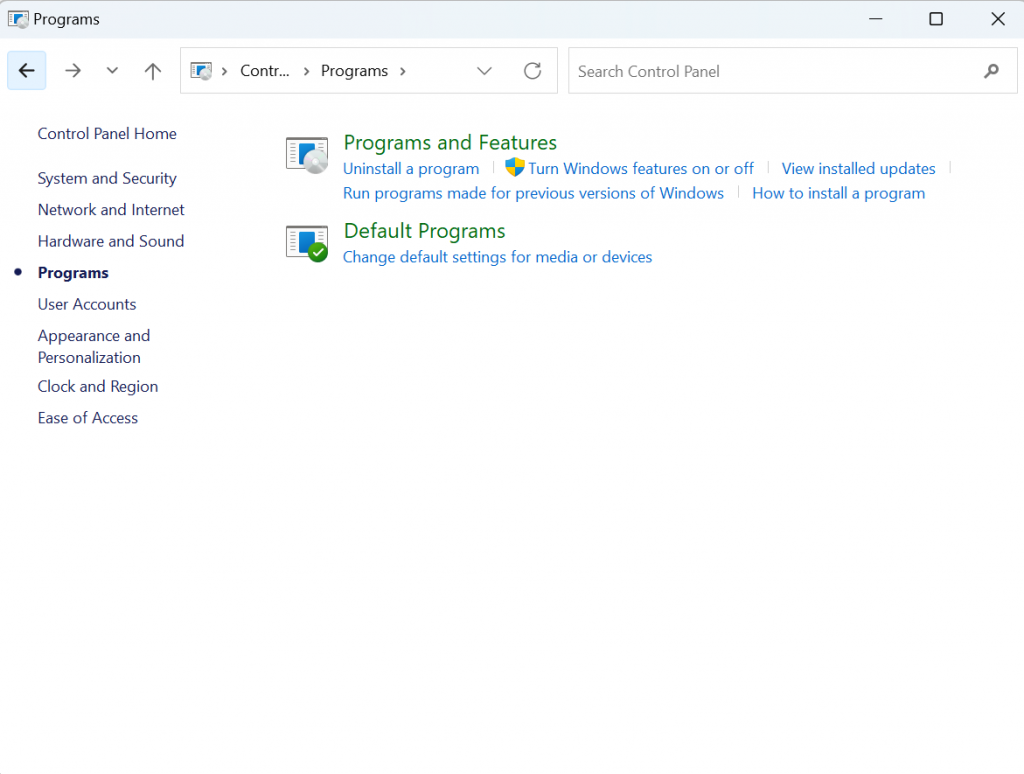
Step 1: Open the Control Panel on your PC, and click on “Programs.”
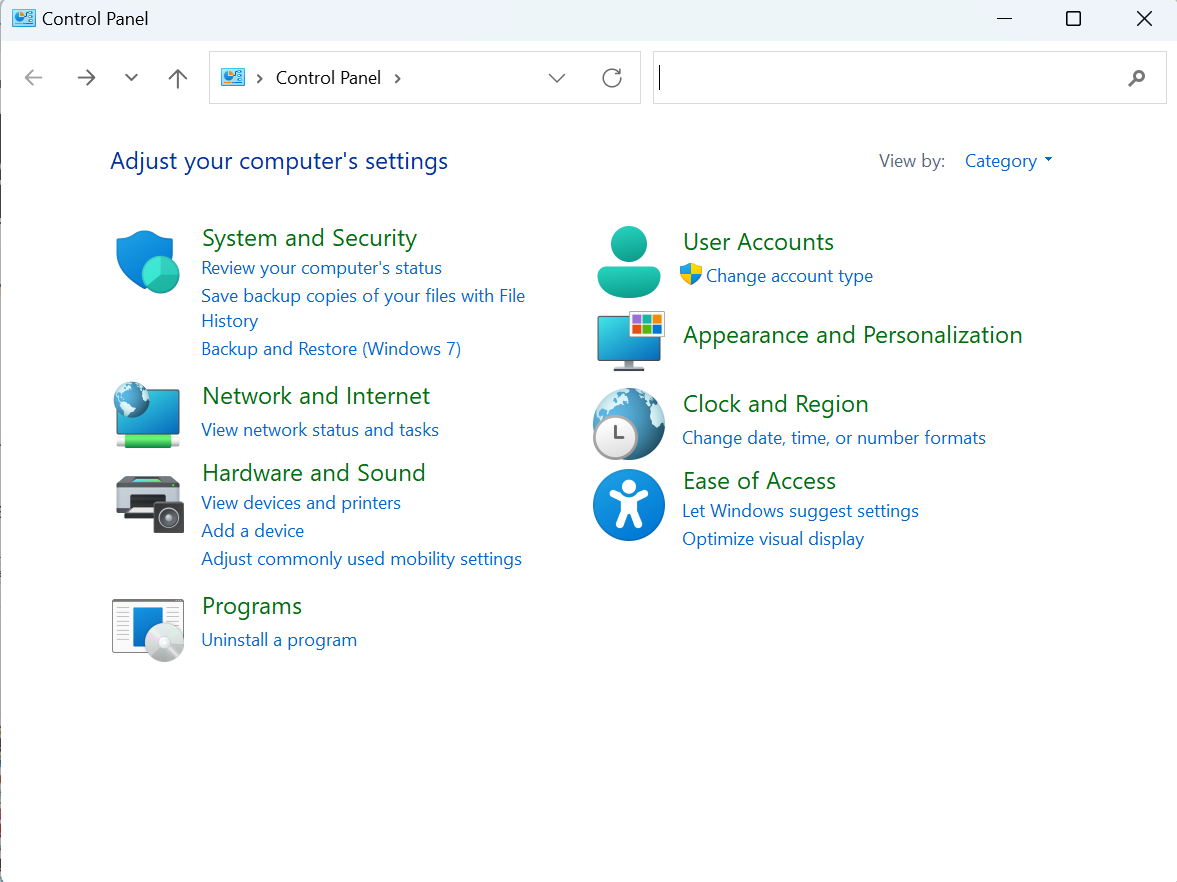
Step 2: Select “Uninstall a Program” from the “Programs and Features” section.
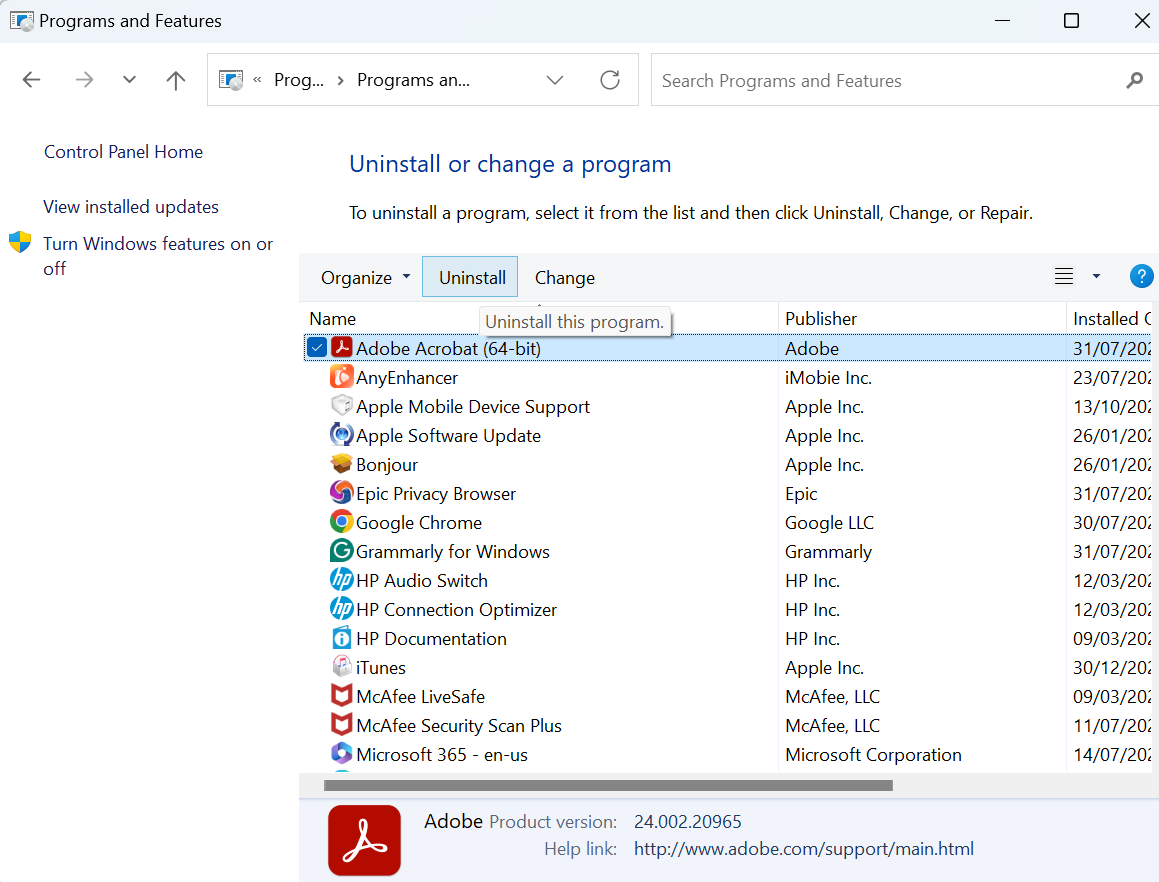
Step 3: Click on “Adobe Acrobat > Uninstall.”
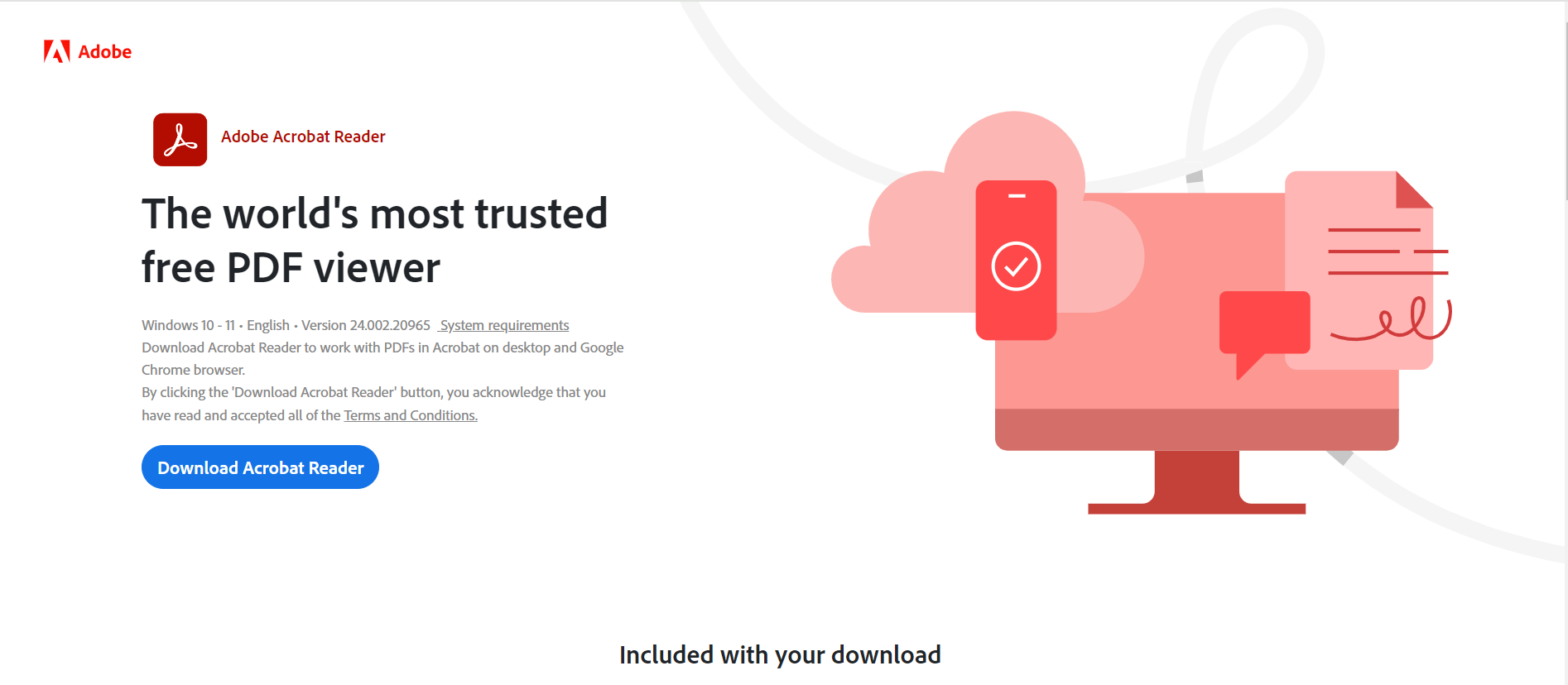
Step 4: Once you have uninstalled Adobe Acrobat from your PC, go to the official Adobe website and download and install it again.
Way 7: Error 14 When Saving (Not Opening) — Preserve Your Comments and Markup
A significant number of Error 14 reports come from users who can open the PDF, add comments and markup, but then get Error 14 when trying to save. This is a different failure mode from opening errors, and the fixes above won't help.
What's happening: When you add comments, Acrobat updates the PDF's cross-reference table to include the new annotation objects. If that update process hits a pre-existing structural inconsistency in the original file, Acrobat throws Error 14 and refuses to save.
Fix A — Save as Word (fastest):
Step 1. Go to File > Save As.
Step 2. Change the file type to .docx (Word document).
Step 3. Save the file. Acrobat will export the PDF content and your unsaved comments into the Word file.
Step 4. Open the Word file, verify your comments are intact, then export back to PDF if needed.
Best for: Users who need to preserve hours of markup work without redoing it. One Adobe community user confirmed this method recovered all unsaved comments.
Fix B — Extract and recombine pages:
Step 1. Use Organize Pages > Extract to create individual files from each page.
Step 2. Note which page numbers fail to extract — those are the corrupt pages.
Step 3. Recombine the non-corrupt pages using Combine Files.
⚠️ Warning: Fix B is a workaround, not a true repair. Corrupt pages will be lost. Use Fix A first to preserve your comments.
Way 8: Mac Users — Error 14 After Editing PDFs in Preview
A specific pattern has been identified for Mac users: PDFs exported from PowerPoint (or other Office apps) on macOS, then edited in Preview (e.g., deleting a page), become unopenable in Adobe Acrobat and display Error 14.
Why this happens: Preview rewrites the PDF's internal object structure in a way that is technically valid (Preview can still open it) but does not conform to the cross-reference table format that Acrobat expects.
Fix: Avoid editing Office-exported PDFs in Preview. Instead:
Step 1. If you need to delete a page, use Adobe Acrobat or UPDF to do it directly.
Step 2. If you must use Preview, export the file first: File > Export as PDF from the original app, then edit a copy — never the original.
💡 Tip: If you already have a corrupted file from Preview editing, try opening it in Chrome or Firefox and printing to PDF. The browser's linear PDF parser can often read the file despite the misaligned cross-reference table.
FAQ
Why does my PDF open in Chrome but not in Adobe Acrobat?
Chrome's PDFium uses linear scanning instead of the cross-reference table. If the table is misaligned (a common cause of Error 14), Chrome can still read the file by scanning sequentially, while Acrobat fails because it relies on the table. Print to PDF from Chrome to create a clean copy that Acrobat can open.
What does “Expected a dict object” mean alongside Error 14?
“Expected a dict object” is the technical detail that appears when you press Ctrl+I or Ctrl+click OK on the Error 14 dialog. It means Acrobat expected a dictionary object (a structured data block) at a specific byte offset, but found something else — usually a stream object or corrupted data. Both errors point to the same root cause: object-level file corruption.
Does updating Adobe Acrobat fix Error 14?
Sometimes. Adobe released a hotfix in October 2015 for a bug where a blank page rendered with “There was problem reading this document (14)” while opening PDFs. If your Acrobat version is older than that, updating may resolve the issue. However, most Error 14 cases are file-specific corruption, not software bugs.
In the End
It can be quite frustrating if you get the “There was a problem reading this document 14” error while working on a PDF on Adobe Acrobat.
However, it’s not the end of the world; there are several ways in which you can fix this issue. In this comprehensive guide, we have discussed 8 methods to resolve this issue. While restarting and reinstalling Acrobat Reader is the go-to option to fix any glitches, it cannot fix the issues completely. So we recommend going for a reliable and versatile PDF editor like UPDF.
We have put together the steps, complete with images, to use UPDF to resolve this issue by compressing the file, printing with PDF, converting PDF to other formats and back again, and inserting a blank page.
So, make all your PDF woes go away; download UPDF now.
Windows • macOS • iOS • Android 100% secure







 Delia Meyer
  Lizzy Lozano

 Enola Davis