 UPDF
UPDF
 UPDF for Windows
 UPDF for Mac
 UPDF for iPhone/iPad
 UPDF for Android
 UPDF AI Online
 UPDF Sign
 Edit PDF
 Annotate PDF
 Create PDF
 PDF Form
 Edit links
 Convert PDF
 OCR
OCR PDF to Word
 PDF to Image
 PDF to Excel
 Organize PDF
 Merge PDF
 Split PDF
 Crop PDF
 Rotate PDF
 Protect PDF
 Sign PDF
 Redact PDF
 Sanitize PDF
 Remove Security
 Read PDF
 UPDF Cloud
 Compress PDF
 Print PDF
 Batch Process
 About UPDF AI
 UPDF AI Solutions
 AI User Guide
 FAQ about UPDF AI
 Summarize PDF
 Translate PDF
 Chat with PDF
 Chat with AI
 Chat with image
 PDF to Mind Map
 Explain PDF
 PDF AI Tools
 Image AI Tools
 AI Chat Tools
 AI Writing Tools
 AI Study Tools
 AI Working Tools
 Other AI Tools
 AI Bookmark Generation
 AI Bookmark Summary
 AI Watermark Generation
 AI Background Generation
 AI Sticker Generation
 AI Stamp Generation
 AI Editing Suite
 UPDF Copilot
 AI Page Management
 AI Semantic Search
 PDF to Word
 PDF to Excel
 PDF to PowerPoint
 Enterprise Solution
 Enterprise Sign
 Enterprise AI
 Enterprise Plan
 Enterprise User Guide
 Enterprise Webinar
 Banking
 Healthcare
 Insurance
 Legal
Legal Manufacturing
 Government
 Education Solution
 Customer Stories
 User Guide
 UPDF Tricks
 FAQs
FAQs UPDF Reviews
 Download Center
 Blog
Blog Newsroom
 Tech Spec
 Updates
 UPDF vs. Adobe Acrobat
 UPDF vs. Foxit
 UPDF vs. PDF Expert

Pursuing a PhD requires a lot of personal and financial commitment. Which naturally makes you wonder: Exactly how long does it take to get a PhD? Typically, it can take 3 to 5 years. But the duration varies by country, discipline, and a student's dedication.
To help you find the right answer, this guide explains the average PhD timelines across different countries and fields of study, as well as factors that affect them.
During this period, students constantly read and analyze academic papers. This tedious process can also slow down their progress. Tools like UPDFand its AI assistant help you read faster and work more productively - interested users can jump to Part 6 to learn how to use it effectively, or download UPDF today to simplify your workflow.
Windows • macOS • iOS • Android 100% secure
Part 1. What Is a Doctorate Degree?
A doctorate or doctoral degree is the highest level of academic qualification awarded by universities. It requires students to dedicate themselves to several years of full-time study. They must also complete original research and a dissertation or thesis.
Some disciplines in which doctoral degrees are awarded include the humanities, sciences, engineering, education, and business. There are also different types of doctorates. Doctor of Philosophy or PhD is the most common type. It focuses on making an original contribution to a field of study.
Watch this video to discover how our AI helps you throughout your academic and professional journey:
Part 2. Average PhD Duration by Country
If you're wondering how long does it take to get a PhD degree in your country? The duration can vary greatly. Each country has its own framework for coursework, funding, and dissertation requirements. Let's review average timelines in different regions.
1. United States
The average PhD duration in the United States is 5 to 7 years. This includes extensive coursework of 2 to 3 years and full-time research. Most students rely on teaching or research assistantships to fund their research. The dissertation format itself includes writing a thesis of multiple long chapters. These factors can extend the overall duration of their PhD.
2. United Kingdom
The average duration of a full-time PhD in the UK is 3 to 4 years after completing a master's degree. Students can start directly with research instead of coursework. Moreover, they can avail scholarships or research grants to fund their research for the first 3 to 3.5 years. And they do not need to pass qualifying exams. Instead, their work is assessed through their thesis and an oral examination.
3. Europe
On average, PhD duration across Europe can take 3 to 5 years after a completed master's degree. Therefore, coursework is not required. More importantly, institutions can hire PhD students as researchers on a salary basis. This provides enough funding for their research work. As for the dissertation, either the traditional monograph or the article-based thesis can be used.
4. Australia
After a master's degree, the average PhD duration in Australia is 3 to 4 years. Students can start directly with independent research. Scholarships can provide funding for the first 3 to 3.5 years. Moreover, students do not undergo qualifying or comprehensive exams. Instead, they are assessed through a written thesis, and sometimes followed by a defense.
5. Canada
The average duration to complete a PhD degree in Canada is 4 to 6 years. During this period, students must complete their coursework and comprehensive exams. They can fund their research work by working as teaching or research assistants. Spending time in these roles may provide financial support, but can delay their PhD duration. Additionally, they need to submit a written thesis and pass an oral defense.
Also Read: How Can AI Help Students >>
Part 3. Average PhD Duration by Field of Study
Even in a country, the specific PhD duration can differ across disciplines. This is due to the difference in each field's coursework load, research structure, and publication needs. Let's review the timelines in the following fields of study.
1. Humanities & Social Sciences
Overall, the average PhD duration in these fields is about 6 to 7 years. However, the timeline changes by subject. For example, if you ask how long does it take to get a History PhD, the duration would be 5 to 9 years. This is because of extensive research and foreign-language training.
Similarly, if you're curious about how long does it take to get a Psychology PhD, the duration is 5 to 7 years after a bachelor's degree. In all fields, this duration includes coursework, independent research, and an original dissertation.
2. STEM
STEM fields include science, technology, engineering, and mathematics. On average, a PhD in these fields takes about 5 to 6 years to complete. However, this period changes by specific disciplines. For example, you may want to know how long does it take to get a Chemistry PhD. The answer would be between 3 and 6 years.
All STEM fields require 1 to 2 years of coursework, which follows lab work. Additionally, students must produce several peer-reviewed papers. These can extend the total duration of their PhD.
3. Medicine & Life Sciences
In these fields, the typical PhD duration is about 3 to 7 years. After the first one or two years of coursework, students can start experimental research work. They must also publish several papers in reputable journals. These requirements can extend their program's duration.
4. Business & Education
The minimum duration to complete the PhD in Business and Education is 4 to 5 years. This duration is influenced by 2 years of coursework followed by independent or applied research. Publications are not required. But students may publish conference papers or applied articles.
Part 4. Key Factors That Affect How Long a PhD Takes
Many reasons can extend a PhD's duration of completion. Some of these include the following:
- Availability of Funding: Funding can provide financial support to students, which can decrease their PhD duration.
- Teaching Responsibilities: Working as a teaching or research assistant as part of degree requirements can extend the PhD timeline.
- Supervisor Support: Timely feedback from the supervisor can speed up research progress. A lack of guidance can overwhelm the student.
- Project Design: Choosing an overly broad research plan or frequently changing research questions can affect the duration.
- Access to Resources: Not having access to fully functional labs or required equipment can slow down the research progress.
While facing all these issues, PhD students spend a lot of their time reading, annotating, and comparing findings from research papers. These repetitive tasks can also stretch their PhD timeline. An effective way to manage this process is by using AI-assisted PDF tools.
UPDF is an AI-powered PDF editor that allows PhD students to read, annotate, and ask questions directly from PDF papers. With its online AI assistant, you can analyze papers and explore new research angles. You can click here to try UPDF AI Online. Or, download the complete UPDF toolkit!
Windows • macOS • iOS • Android 100% secure
Part 5. What Takes the Most Time During a PhD?
By now, you must know exactly how long does it take to get a PhD degree. Apart from technical issues, the following stages of the program can take most time during a PhD:
- Never-Ending Literature Review: The constant process of reviewing existing data and assessing new studies to refine research.
- Extensive Reading: Manually reading large volumes of papers with technical terms and methodologies.
- Summarizing Insights: The analytical work of taking notes, extracting key ideas, and comparing findings.
- Feedback and Revisions: Feedback from supervisors and committees requires multiple revisions and careful rewriting.
- Managing References: Organizing a large number of citations and drafts becomes increasingly complex and prone to errors.
Part 6. How UPDF Helps PhD Students Manage Long Research Timelines
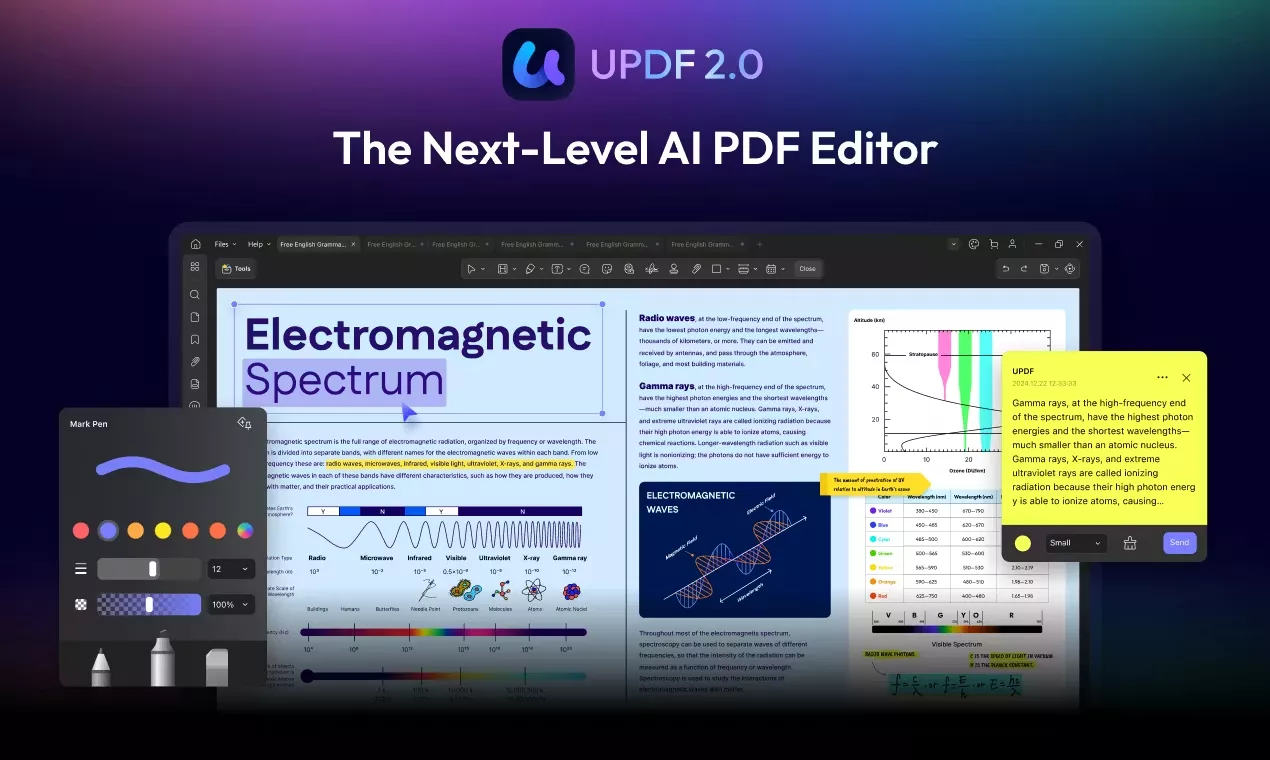
Doctoral research can be demanding. Therefore, having a single system to manage your academic materials can reduce brain clutter and keep you focused. UPDF is an AI-driven PDF editor that helps you simplify your workflow. As a tool designed for academic and research use, it lets you easily markup and annotate papers, add quick notes, and organize papers in one place.
It also offers a built-in AI assistant. It allows you to chat with PDFs, clarify ideas, and extract key arguments without reading entire papers. Its online AI assistant also offers paper search and scholarly research features. These allow you to find publications and identify relevant literature more productively.
Give it a try for free now!
Windows • macOS • iOS • Android 100% secure
Watch the video below to learn more about UPDF's AI.
Let's look at some scenarios where UPDF and its AI can be helpful for PhD students.
Use Case 1. Conducting a Literature Review
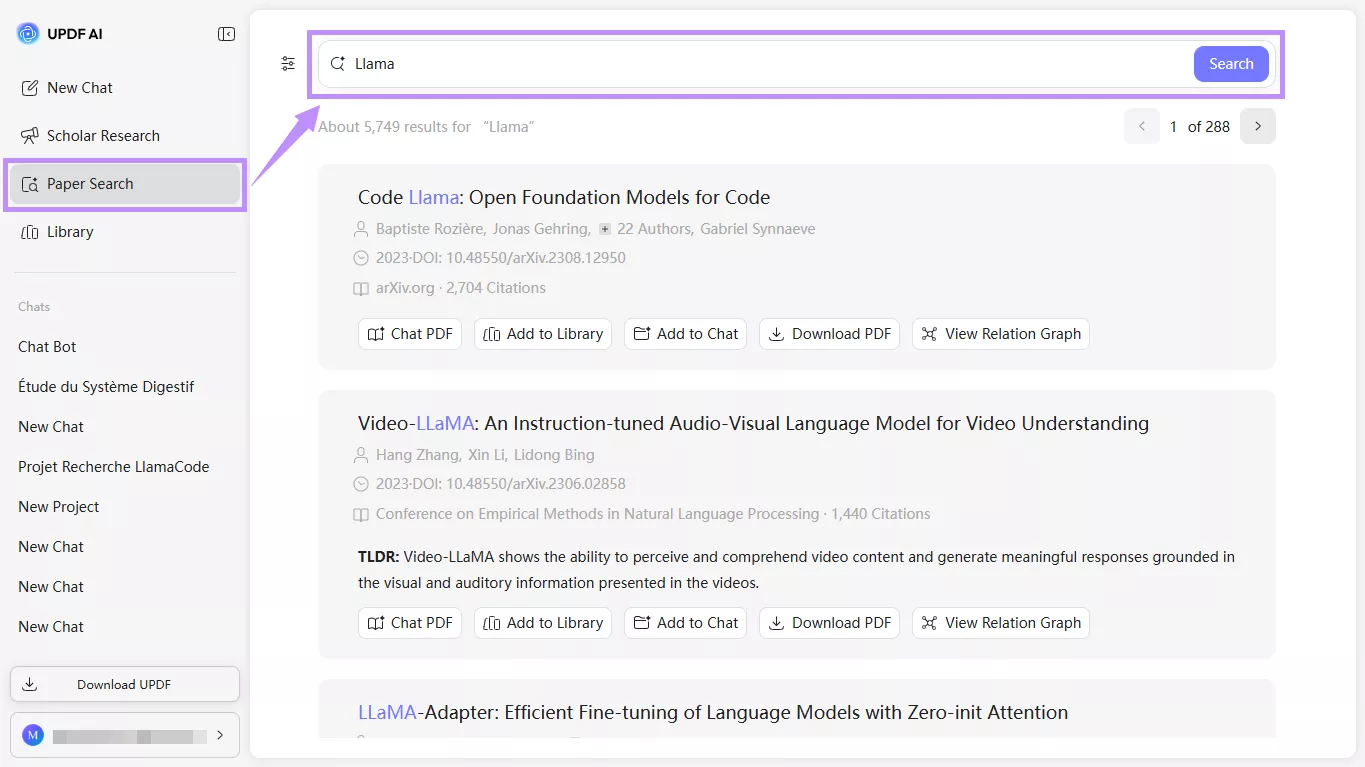
A PhD student needs to screen dozens of papers to identify key theories and gaps. UPDF AI Online can help you find relevant papers directly with its Paper Search tool.
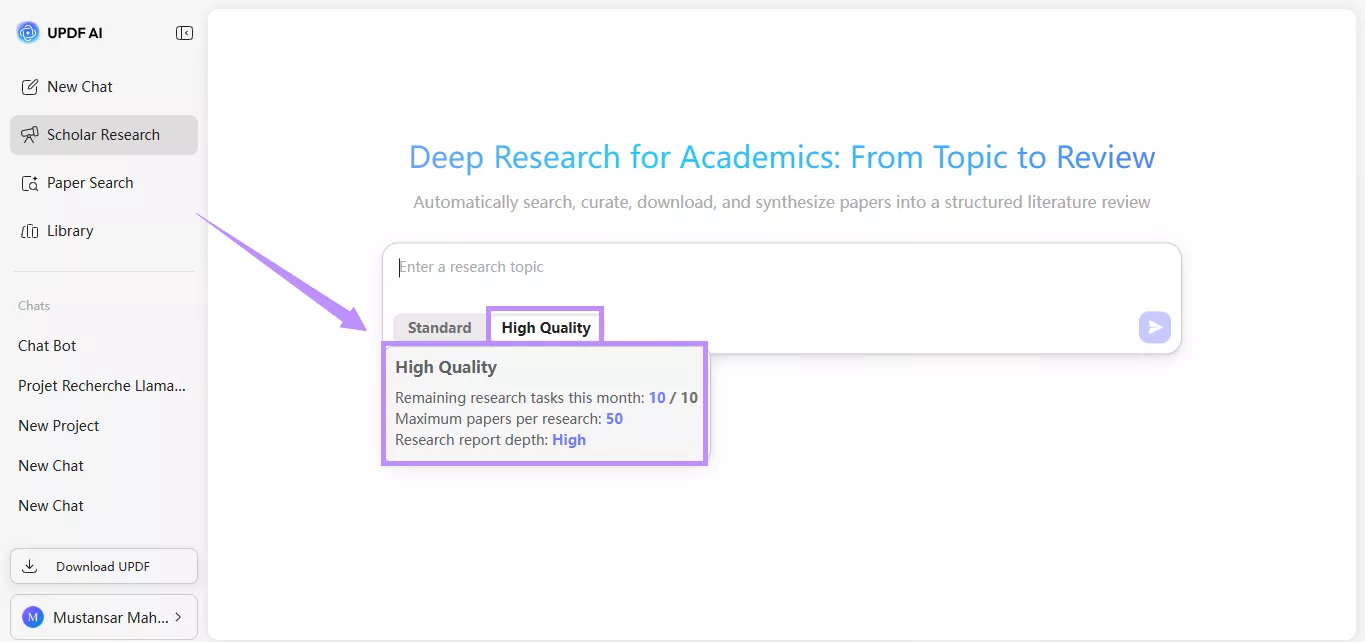
Moreover, the Scholar Research tool gathers insights from multiple studies. Then it summarizes them in a structured literature review with references.
Use Case 2. Reading and Annotating Papers
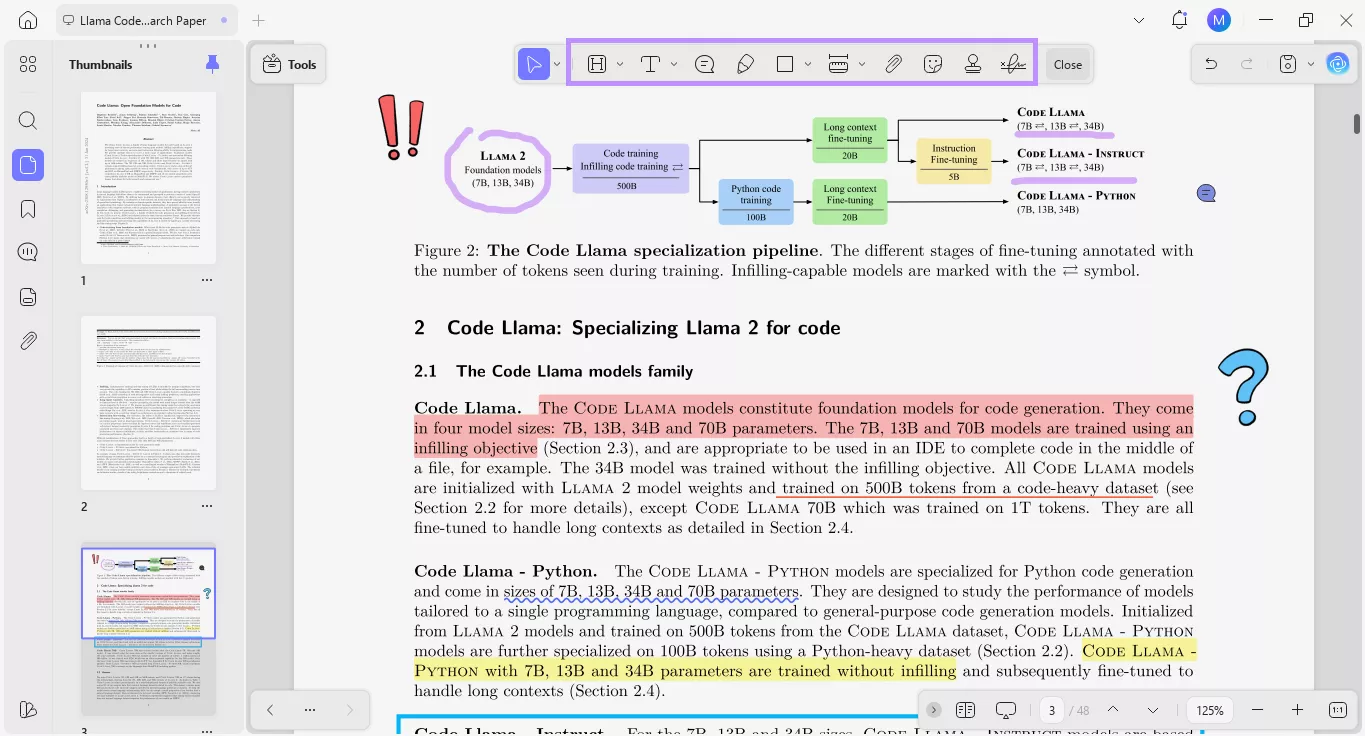
After downloading a PDF paper, a PhD researcher needs to manually read and analyze the findings in the paper. UPDF can help the student highlight text, insert shapes, stickers, sticky notes, text callouts, and more.
Use Case 3. Understanding Technical Ideas
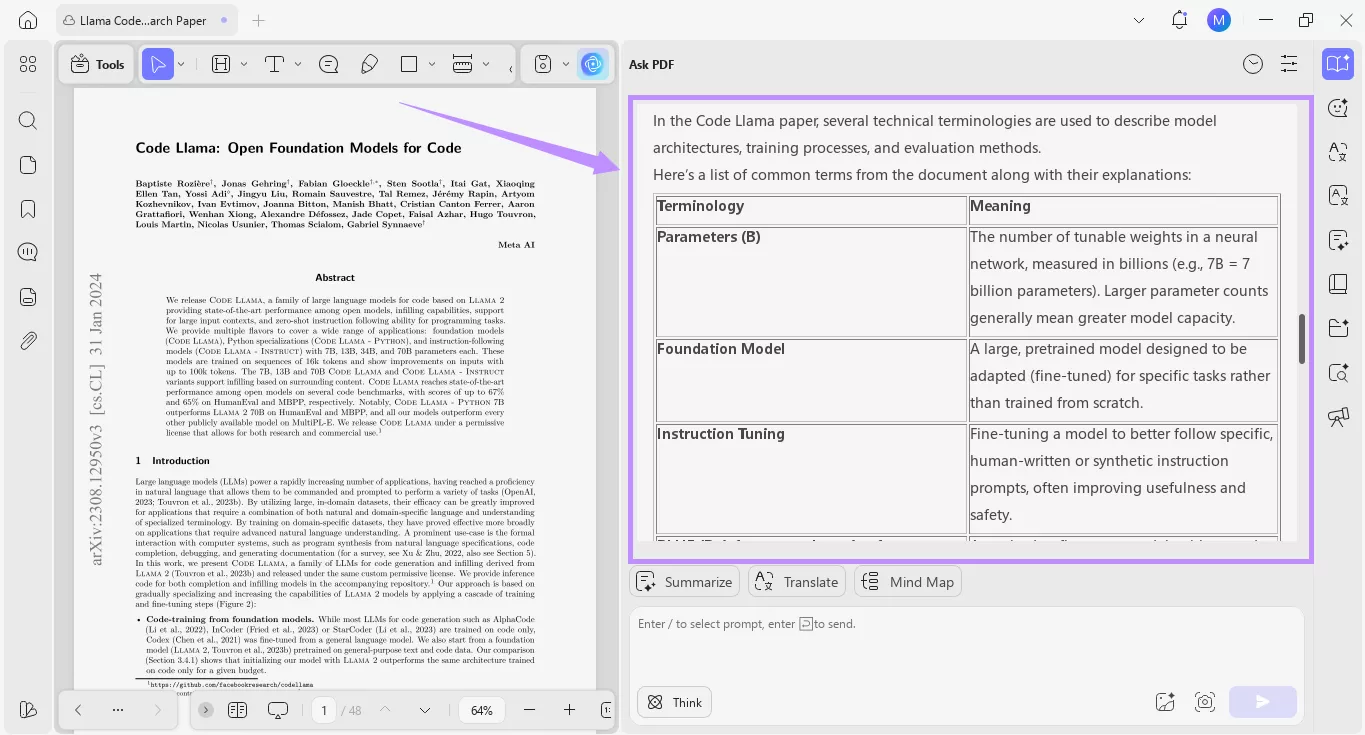
A student struggles to understand unfamiliar methods or terminology used in the paper. The AI within UPDF can explain and simplify the concept without needing to switch to a search platform.
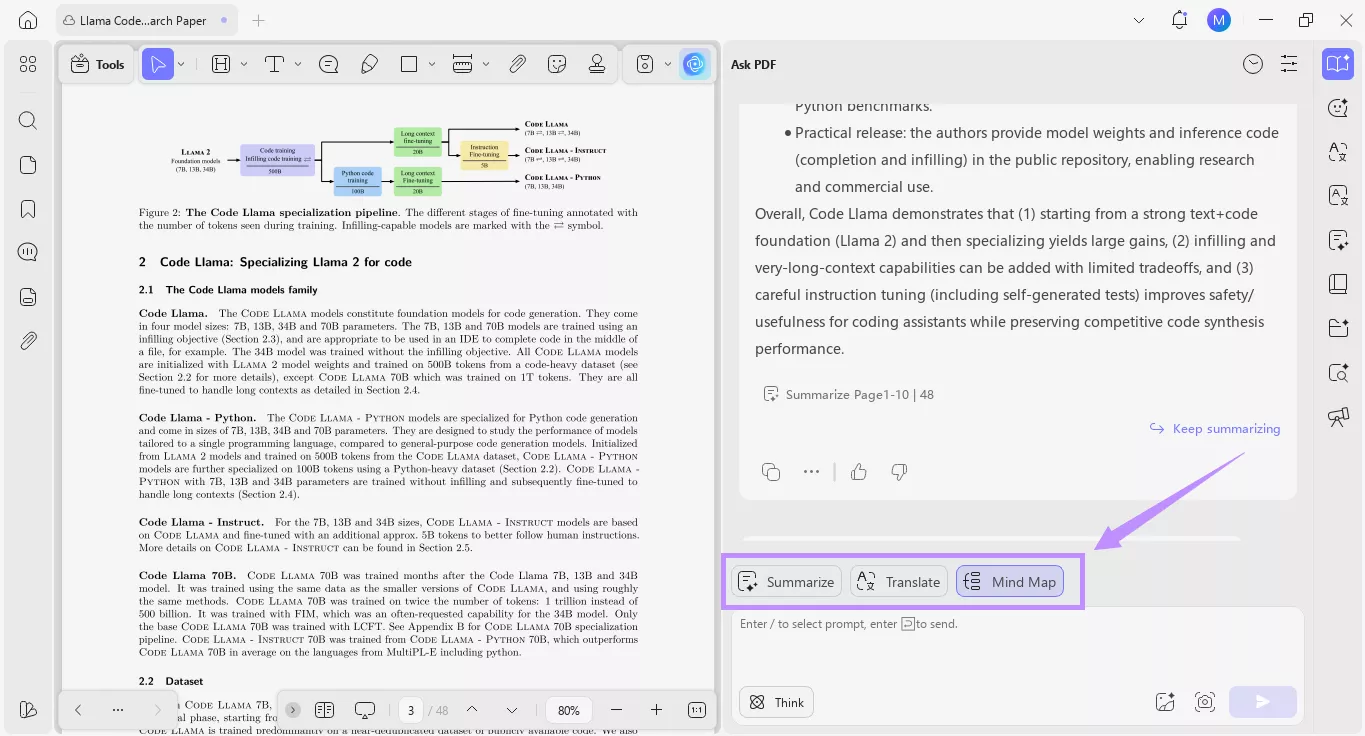
It can also summarize key findings and translate them to the student's native language. Moreover, it can create mind maps to present a visual flow of information.
Use Case 4. Organizing Dissertation Chapters
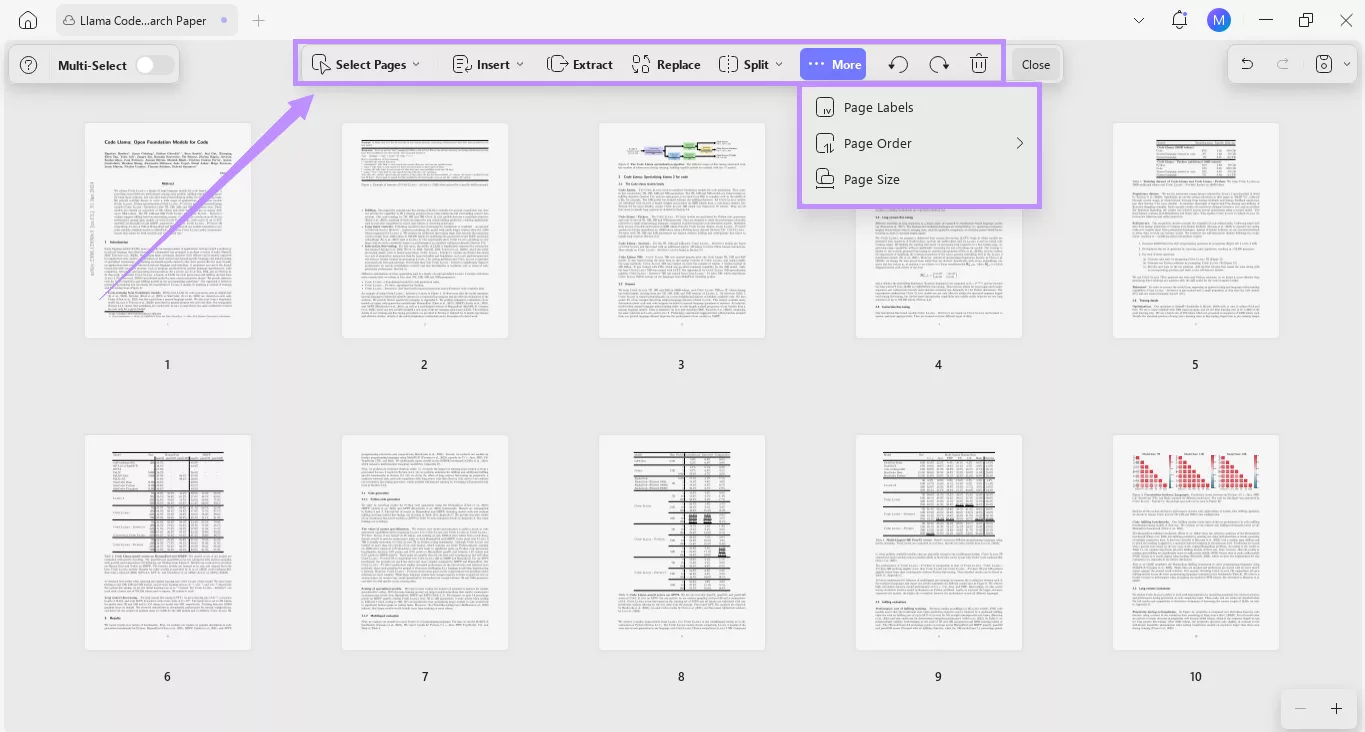
After writing individual chapters of a PhD dissertation, the student needs to combine them into a book-length document. UPDF's organization tools can help students merge, split, extract, rearrange pages, and more.
Beyond these features, UPDF is an all-in-one solution to help you work smarter. Download and try UPDF now! You can test all features with a free trial. And if you want to upgrade, click here to buy UPDF with affordable plans that fit your budget.
Windows • macOS • iOS • Android 100% secure
Conclusion
So, how long does it take to get a PhD degree? The short answer is 3 to 7 years, depending on your country, discipline, and personal effort. Tools like UPDF and its AI assistant can reduce this duration by helping you work more productively. Even better, you can get started with a limited free trial. So, download UPDF today! Or get started with UPDF AI Online!